2026-03-03
Industrial parks are key contributors to energy consumption and carbon emissions.Although industrial parks contribute over 30% to national economic growth, they account for more than 65% of total energy consumption and carbon emissions, making them the largest source of energy use and CO₂ emissions in China.
From a global perspective, addressing climate change and controlling greenhouse gas emissions has become a shared priority. To date, 138 countries and regions have committed to net-zero or carbon neutrality targets, covering approximately two-thirds of global greenhouse gas emissions.
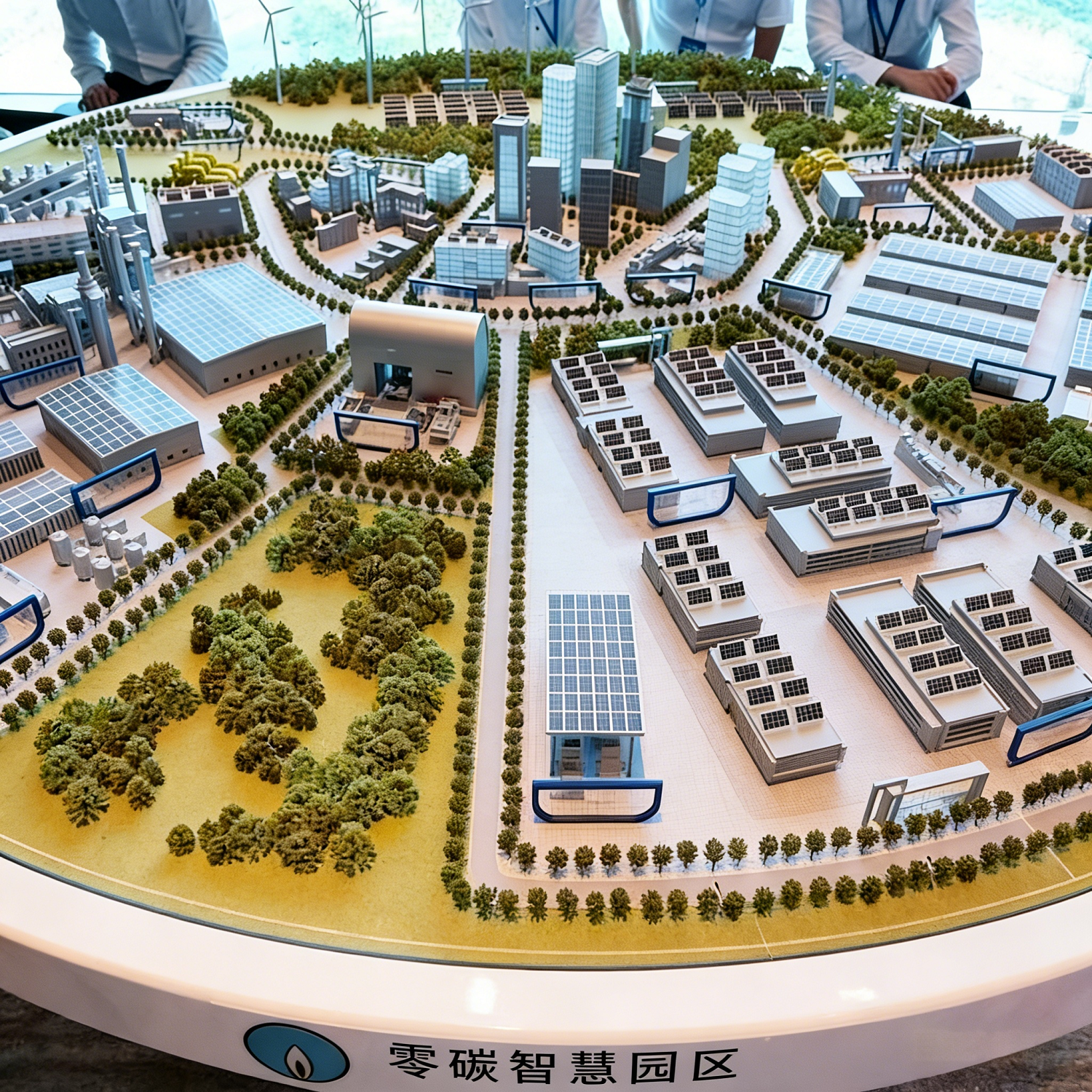
The development of zero-carbon industrial parks is a critical lever for achieving China's carbon peaking and carbon neutrality goals. China has long prioritized green development in industrial parks—evolving from eco-industrial demonstration parks and circular economy transformation parks to low-carbon, green, and near-zero carbon parks, and now advancing toward the concept of zero-carbon parks. This trajectory reflects a deepening commitment to low-carbon transition.
In this process, a number of enterprises specializing in energy digitalization and intelligent power distribution are actively participating in the construction of zero-carbon industrial parks. Shanghai Infraswin Energy Co., Ltd. (Stock Code: 871504), as one of the pioneers in this field, has focused on intelligent power distribution and energy management since its establishment in 2009. Integrating R&D, manufacturing, sales, and import-export business, the company is recognized as a Shanghai High-Tech Enterprise and a "Specialized and Sophisticated" Enterprise. Leveraging over 40 patented technologies and its self-developed "Infraswin Digital Cloud Platform," the company provides comprehensive digital energy management solutions through cloud computing, big data, IoT, and artificial intelligence technologies, helping industrial parks achieve full energy digitalization and intelligent transformation. In 2025, during a visit to Infraswin Energy, leaders from Fengxian District, Shanghai, encouraged the company to actively integrate into the new development paradigm, adhere to the dual-drive of advanced manufacturing and modern services, closely follow market changes, innovate products, expand services, and provide stronger technical support for the green and low-carbon transformation of industrial parks.

Transforming the energy structure is central to building zero-carbon industrial parks. Parks should integrate distributed renewable energy sources—such as solar and wind—into their energy supply systems, tailored to local conditions, in order to reduce reliance on coal-fired grid electricity.
Key technical pathways include:
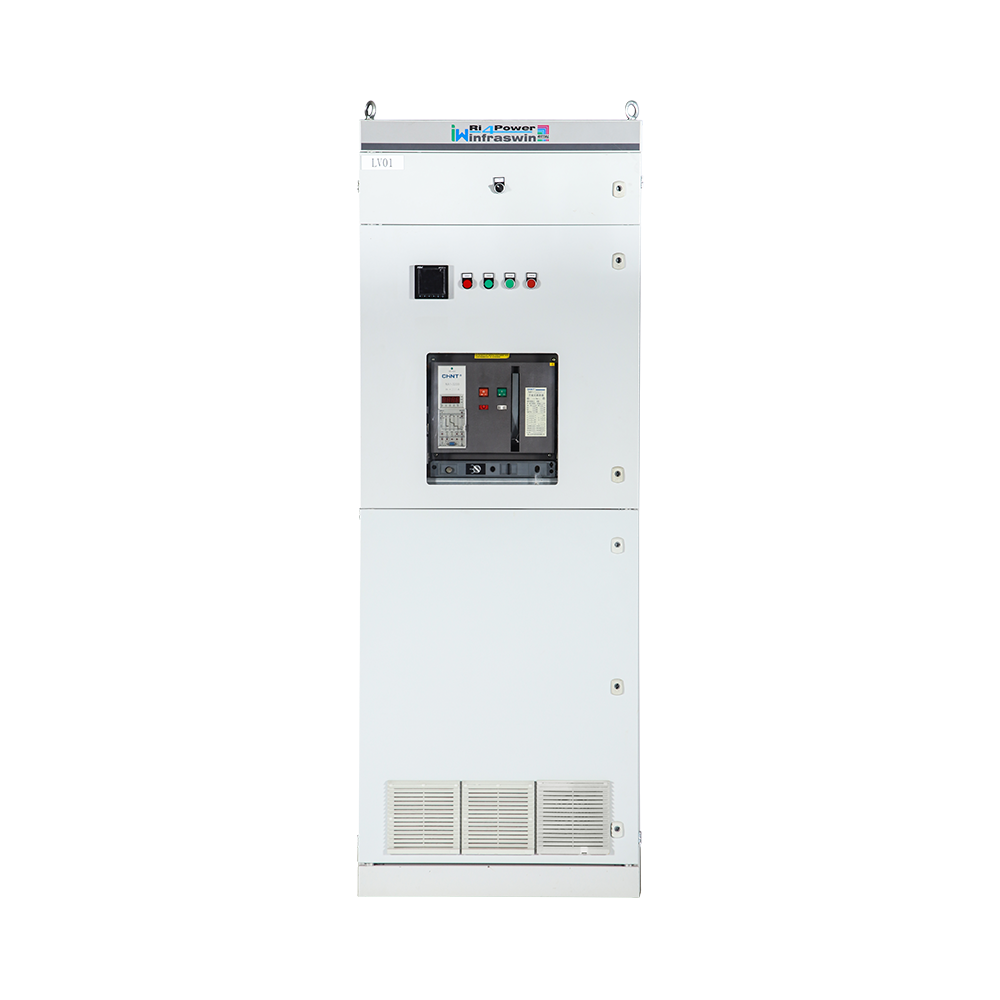
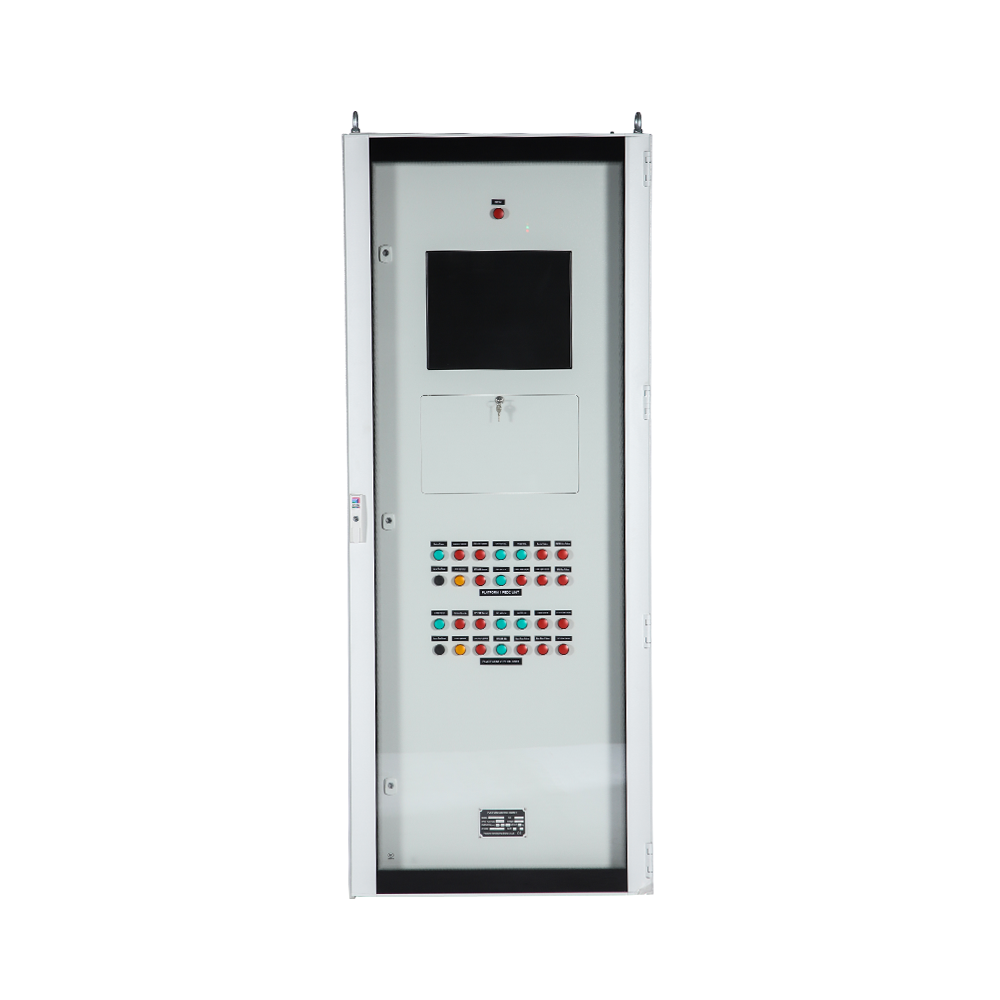
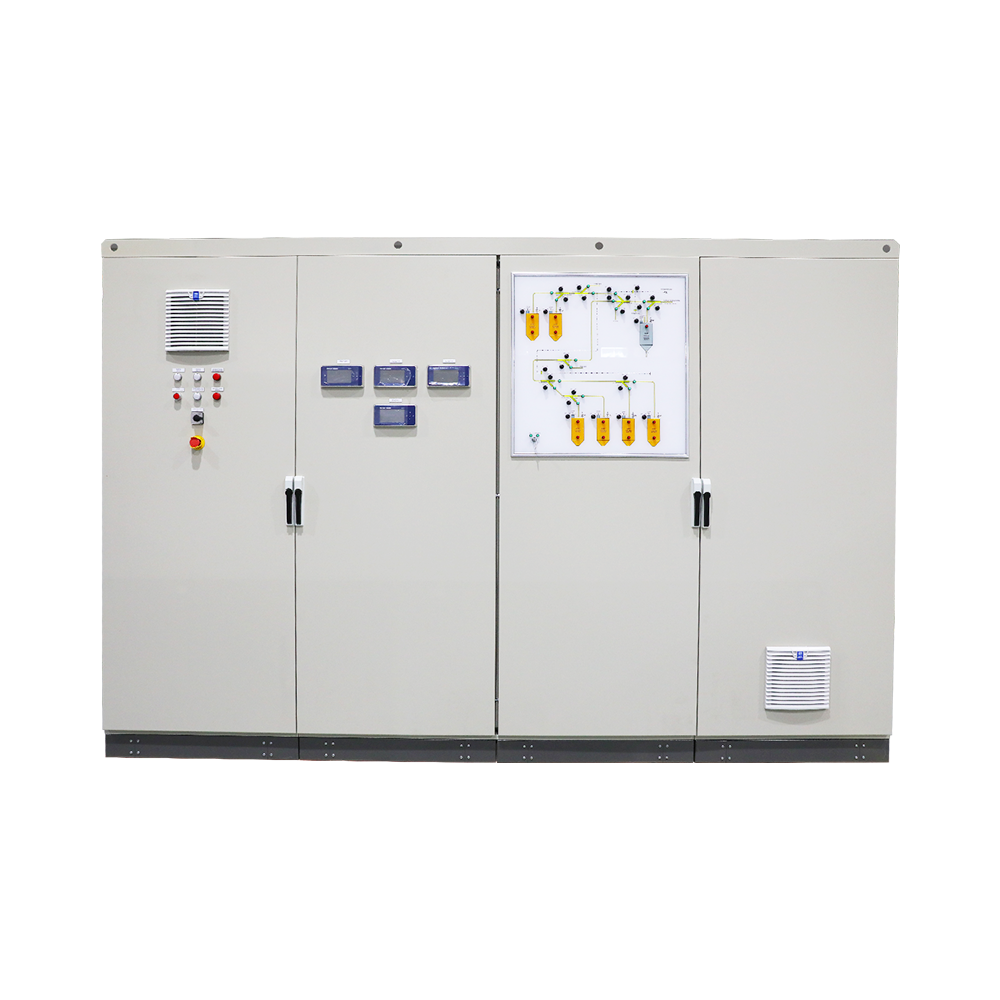
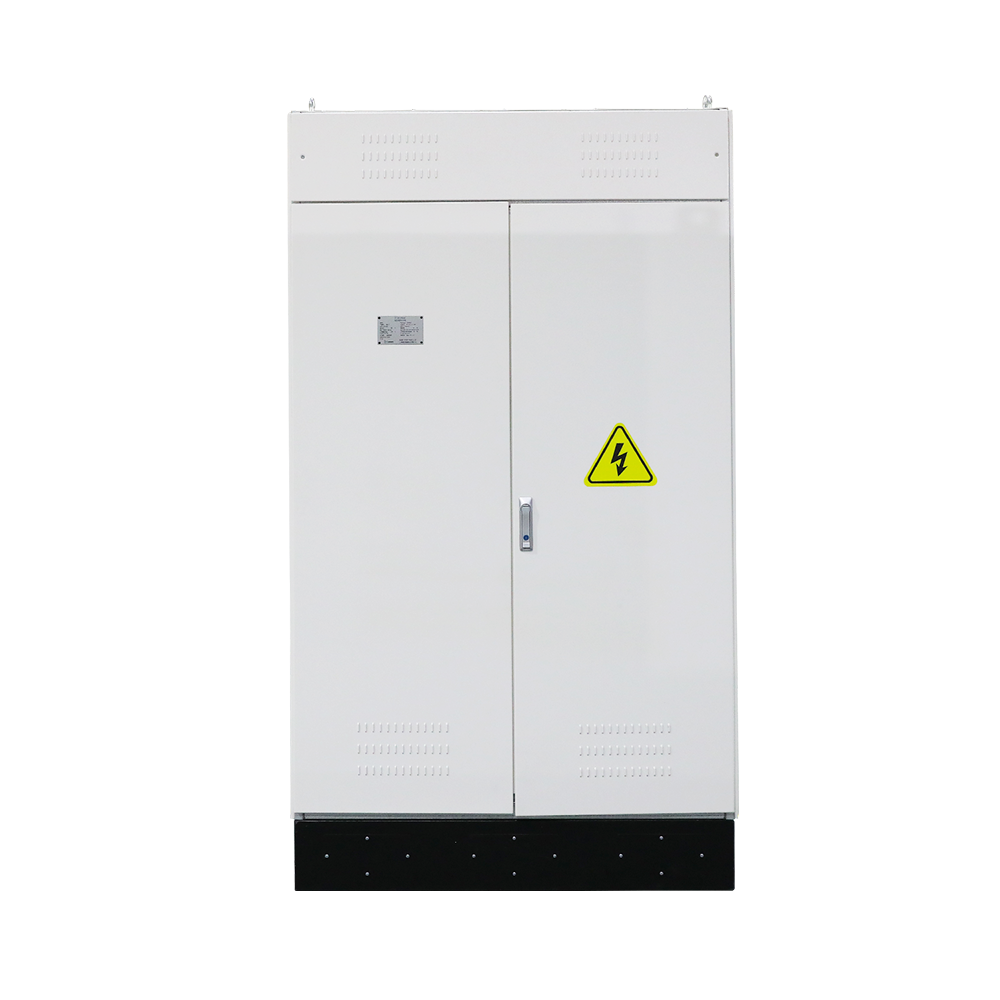
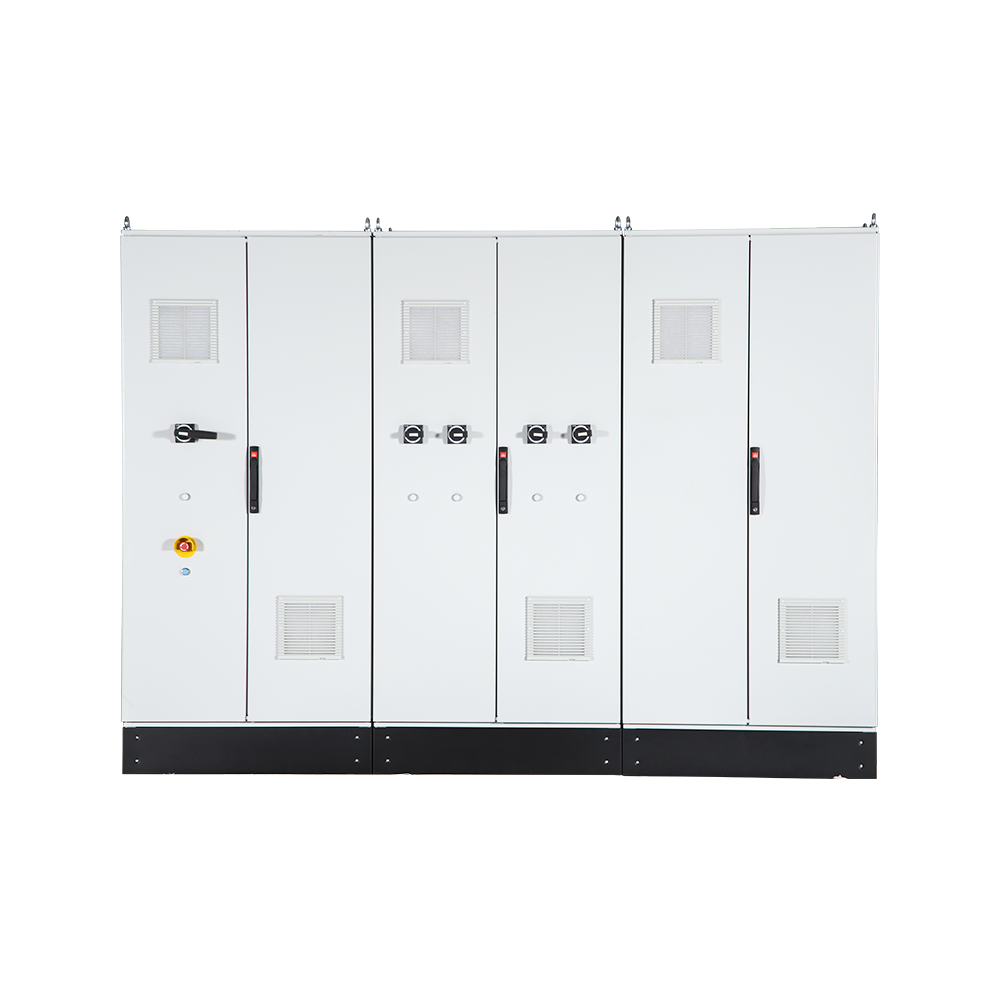
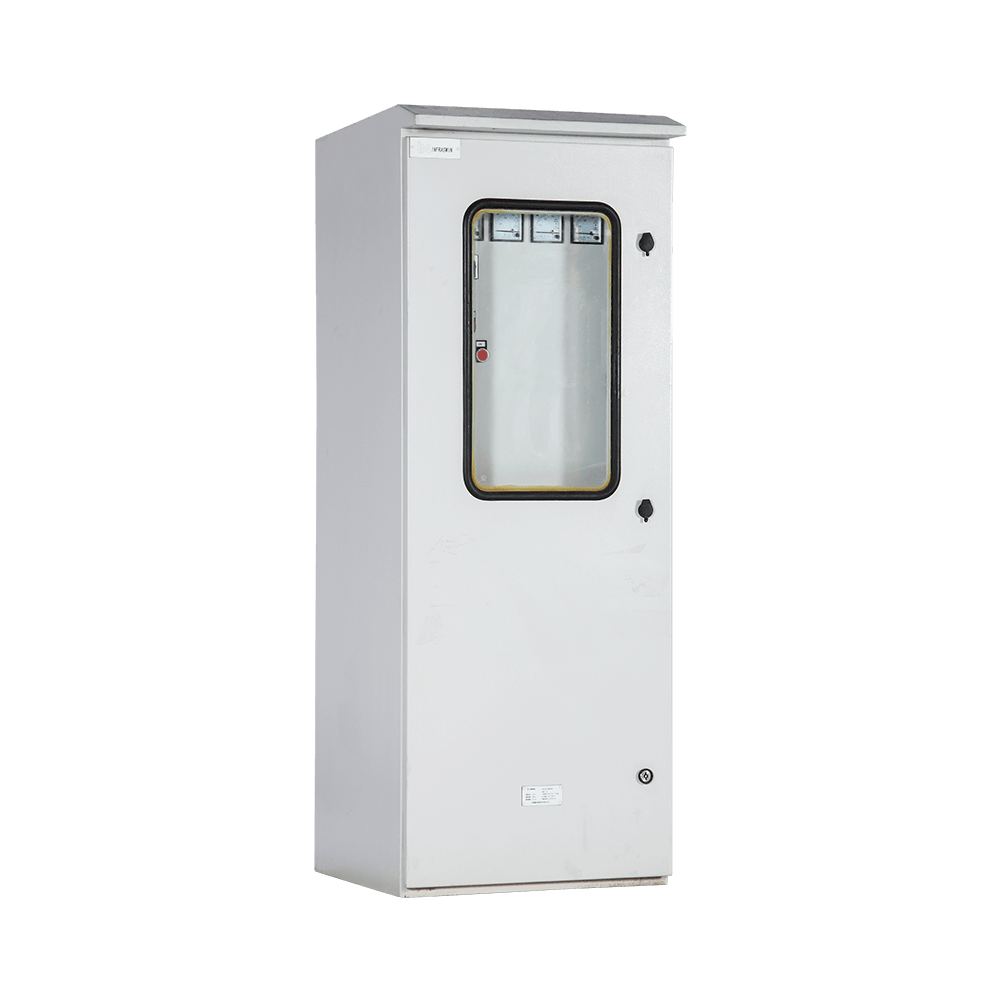
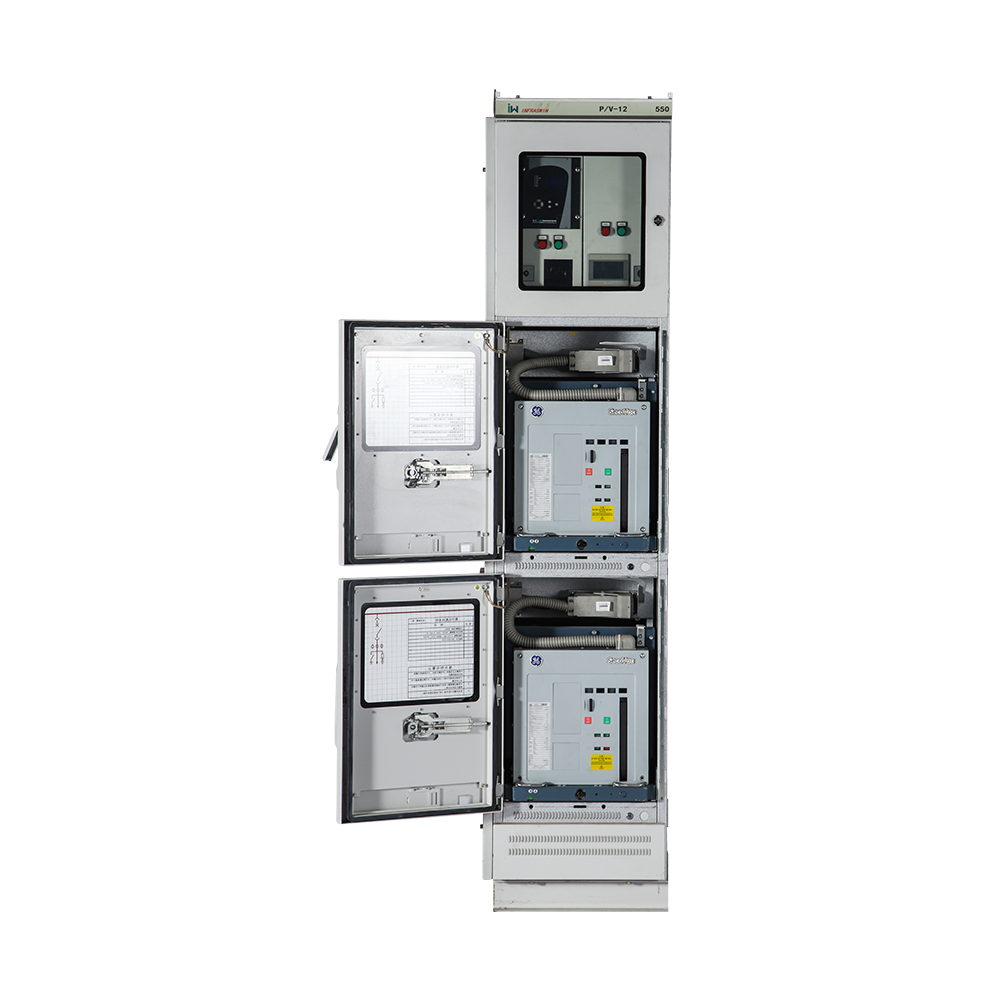
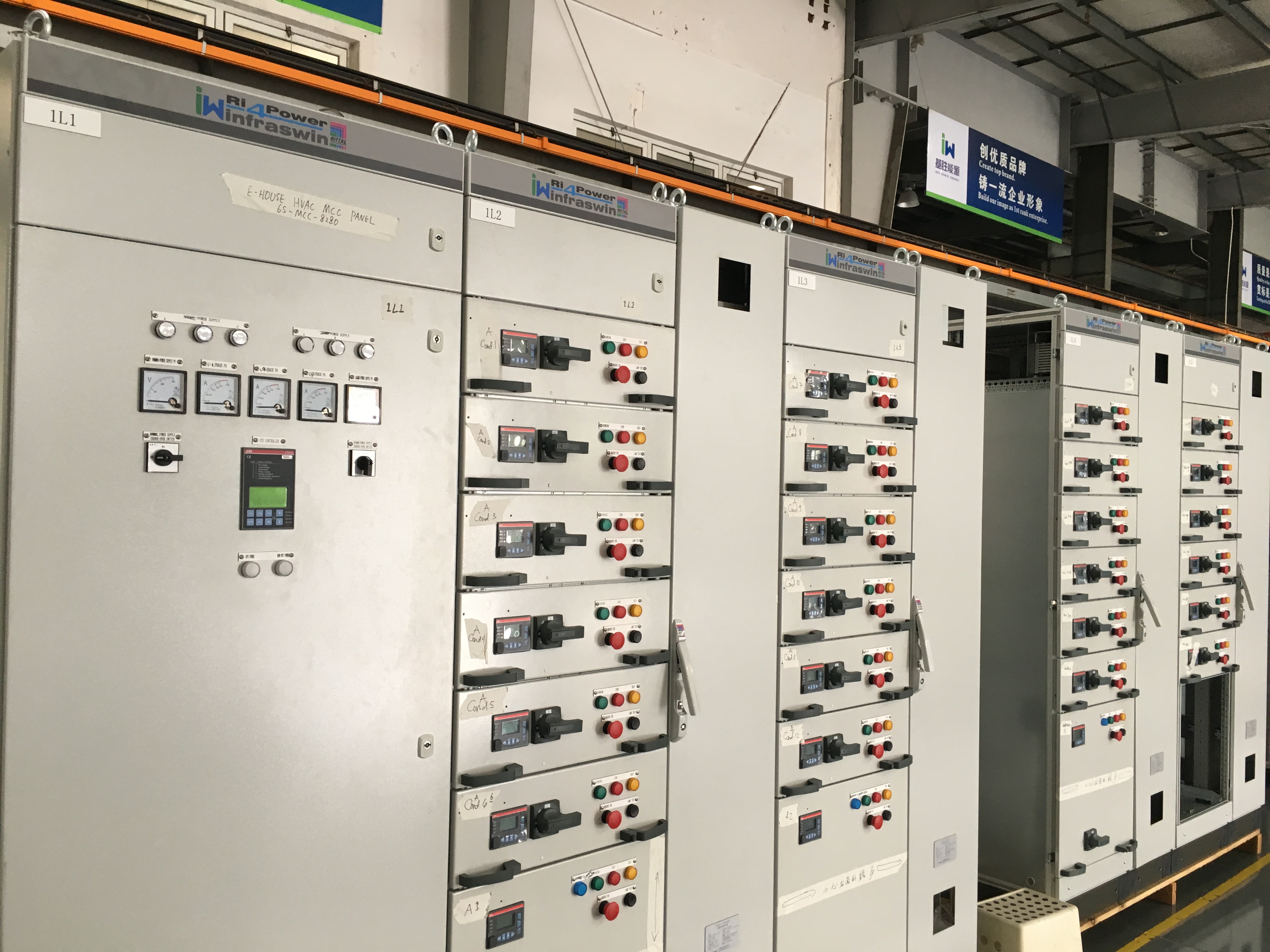
Among these critical pathways, technological innovation and practice at the enterprise level are of vital importance. Infraswin Energy's main business covers the development and utilization of smart microgrids, energy conservation, and energy storage. Its product portfolio includes intelligent power distribution cabinets, automatic control cabinets, and integrated energy management systems, providing complete solutions from the equipment level to the platform level for industrial parks. The Ri4Power-ZN intelligent low-voltage switchgear, jointly developed by the company and German Rittal, is suitable for large-scale power distribution scenarios with rated operating currents ≤6300A and can be widely applied in key park industries such as power plants, petrochemicals, and metallurgy. Furthermore, the company is actively expanding in the smart microgrid sector, integrating distributed energy, energy storage systems, and intelligent control technologies to help parks build cleaner, more stable, and more efficient energy systems.
Digital technologies are indispensable in the transition to zero-carbon parks.By integrating cloud computing, mobile internet, big data, blockchain, and 5G, parks can enable real-time carbon emission monitoring and create a dynamic "carbon profile" to support low-carbon operations.
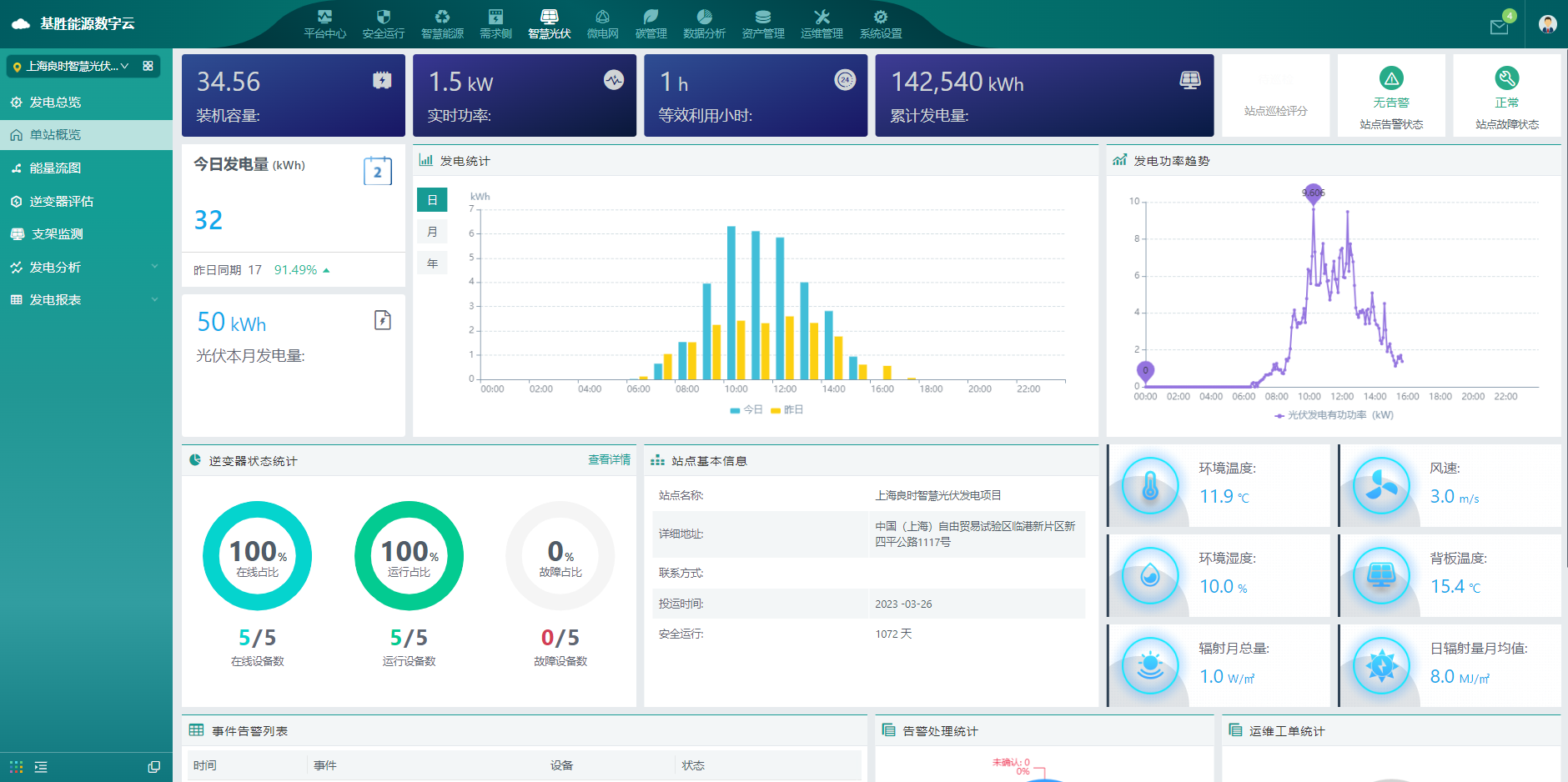
Digitalization is precisely one of Infraswin Energy's core strengths. The company's self-developed Infraswin Digital Cloud Platform, centered on energy wave technology, performs multi-dimensional waveform ultra-high-frequency sampling and analysis on randomly disturbed energy lines, enabling equipment type identification, status analysis, energy consumption monitoring, and fault warning under multi-load composite scenarios. This platform provides park enterprises with a complete closed loop from energy data collection and analysis to optimization control, making energy management and online carbon emission monitoring precise and efficient. To date, the company has obtained 23 self-developed patents and 22 software copyrights, providing a solid technological foundation for the digital low-carbon transformation of industrial parks.
Building energy efficiency is another critical area. The use of advanced insulation materials, composite walls, high-performance windows, and heat pumps for heating can significantly reduce fuel consumption and associated greenhouse gas emissions.
Going forward, the development of zero-carbon parks will require more integrated top-level planning that aligns industrial, energy, and building strategies to meet carbon neutrality targets.
Efforts will also focus on enhancing resource efficiency through circular economy systems and waste recovery networks, while expanding ecological carbon sinks and deploying CCUS technologies to boost carbon absorption.
As technologies mature and policy frameworks improve, zero-carbon parks are expected to become the dominant model for industrial park development.
In this process, intelligent power distribution and energy management enterprises represented by Infraswin Energy will play an increasingly important role. Adhering to the core values of "green, environmental protection, and sustainable development," the company is committed to the digital and intelligent transformation of integrated energy. Through cooperation with internationally renowned companies such as GE, Rockwell Automation, and Rittal, Infraswin Energy has established unique product manufacturing systems and process standards, with its products and services widely applied in various industrial parks. In the future, the company will continue to deepen its presence in smart microgrids, energy storage, and energy digitalization, leveraging technological innovation to help more industrial parks achieve green and low-carbon transformation.
We look forward to seeing more parks successfully transition to green, low-carbon models, contributing to China's dual-carbon goals.
Recommended Products

Your one-stop supplier for energy management solutions.
Products
Contact Us
720 Yuandong Road, Fengxian District, Shanghai, China
+86-19101772387
+86-19101772387
info@infraswin.com

 English
 中文简体
中文简体
 Español