2026-02-27
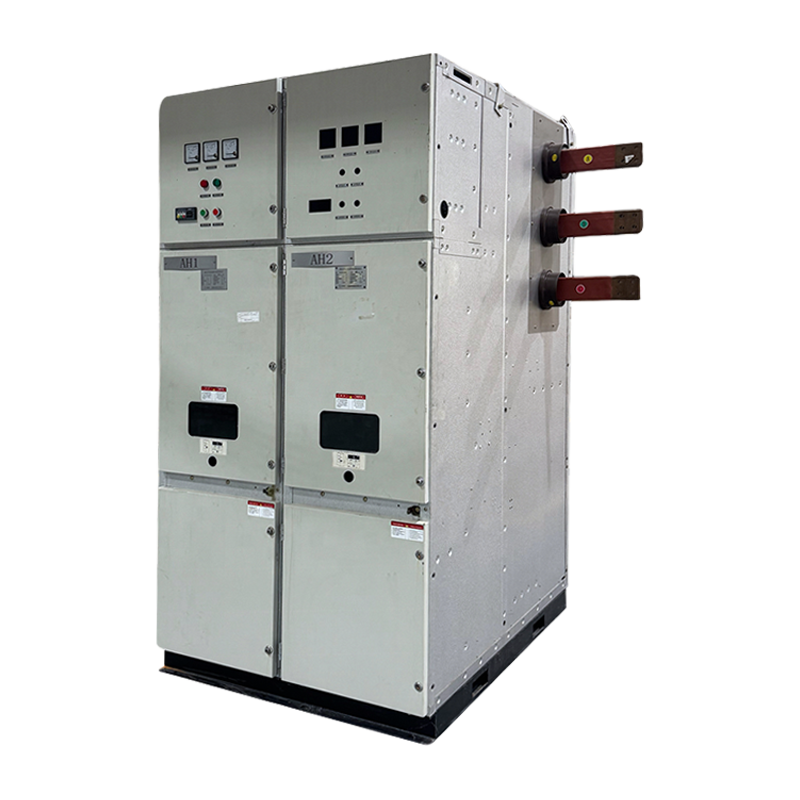
Medium voltage metal enclosed switchgear is the backbone of modern power distribution systems, providing safe, reliable control and protection for electrical networks operating between 1 kV and 38 kV. Whether you are specifying equipment for a utility substation, industrial plant, or commercial facility, understanding how this switchgear is built, rated, and selected can directly impact system safety, uptime, and total cost of ownership.
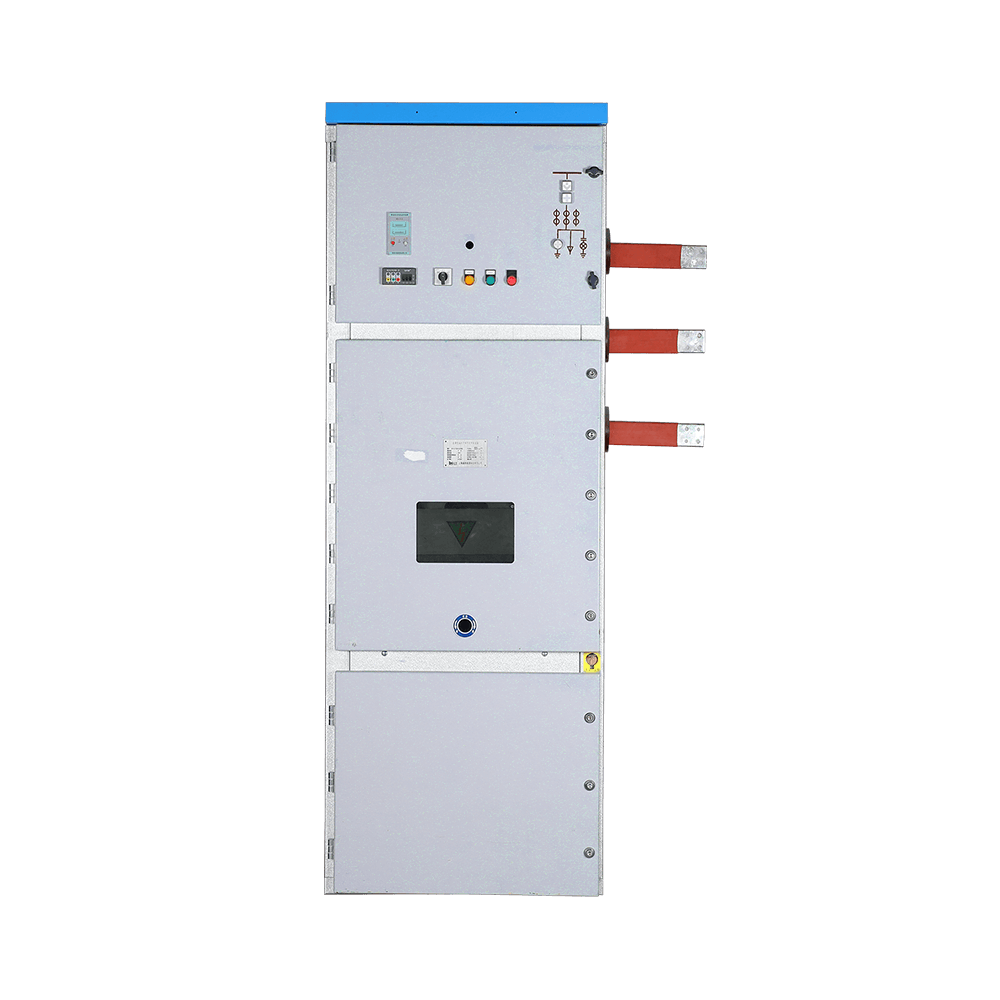
The core function of medium voltage metal enclosed switchgear is to isolate, protect, and switch power circuits while keeping all live parts enclosed in a grounded metal housing — dramatically reducing arc flash exposure and enabling safer maintenance. Major standards governing this equipment include IEEE C37.20.2 (metal-clad switchgear) and IEEE C37.20.3 (metal-enclosed bus), along with IEC 62271-200 internationally.
Many engineers use "metal enclosed" as a catch-all term, but IEEE standards draw a sharp line between two types:
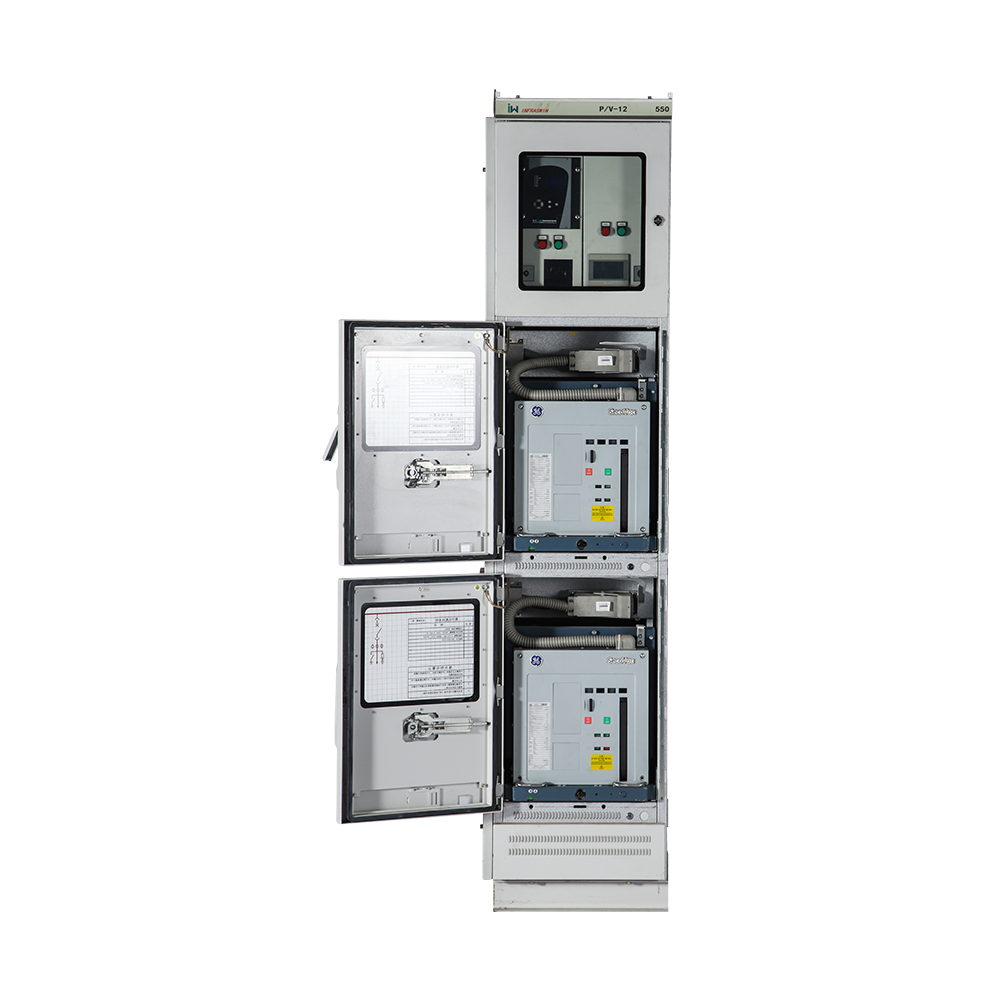
This is the highest-tier design. Key characteristics include:
A more economical design using stationary (non-draw-out) switches and fuses rather than vacuum or SF₆ breakers. It is common in load-interrupter applications such as ring-main units and pad-mount substations where fault interrupting duty is handled upstream. Typical ratings fall between 4.16 kV and 15 kV with interrupting ratings up to 40 kA symmetrical.
| Feature | Metal-Clad (C37.20.2) | Metal-Enclosed Interrupter (C37.20.3) |
|---|---|---|
| Breaker/Switch Type | Draw-out vacuum/SF₆ breaker | Fixed load-interrupter switch + fuse |
| Compartmentalization | Full metal barriers (3-compartment) | Partial or single compartment |
| Interrupting Rating | Up to 63 kA sym. | Up to 40 kA sym. |
| Maintenance Access | Safe racking without de-energizing bus | Requires de-energizing for service |
| Relative Cost | Higher | Lower |
Selecting the wrong rating is the most common — and most costly — specification error. Each nameplate value carries real engineering weight:
Standard maximum voltage ratings (kV) for North American equipment are 5, 8.25, 15, 27, and 38 kV, corresponding to system voltages of 4.16, 6.9, 12–13.8, 23, and 34.5 kV respectively. Always specify the maximum system voltage, not the nominal voltage.
This is the RMS symmetrical fault current the breaker can safely interrupt. Common values are 25 kA, 31.5 kA, 40 kA, and 50 kA. A 2022 EPRI study found that over 30% of industrial switchgear failures were linked to equipment operating beyond its rated interrupting capacity — undersizing this rating is a life-safety issue.
Typical bus and breaker continuous current ratings are 1200 A, 2000 A, and 3000 A. Apply a load growth margin of at least 20–25% above the calculated peak demand when specifying this value.
The metal enclosure does far more than contain the equipment — its internal layout directly determines arc flash incident energy and maintenance risk. A well-designed metal-clad unit uses a three-compartment architecture:
Arc-resistant (AR) switchgear takes this further by designing the enclosure to safely vent arc flash energy away from personnel through pressure relief flaps or plenums, typically directed upward or to the rear. IEEE C37.20.7 defines four arc-resistant accessibility types (Type 1 through Type 2C). For locations where personnel must work in front of energized gear, specifying arc-resistant construction rated to Type 2B or 2C can reduce incident energy at the worker's position from potentially hundreds of cal/cm² to less than 8 cal/cm².
The two dominant interrupting technologies in medium voltage metal enclosed switchgear each have proven track records, but differ in application suitability:
| Criteria | Vacuum Interrupter | SF₆ (Sulfur Hexafluoride) |
|---|---|---|
| Voltage Range | Up to 38 kV | Up to 38 kV and above |
| Maintenance Interval | 10,000+ operations | 2,000–5,000 operations |
| Environmental Concern | None (sealed vacuum bottle) | GWP of 23,500 (regulated in EU from 2025) |
| Performance in Cold Climates | Excellent | Reduced below −15°C (gas liquefaction risk) |
| Typical Application | Industrial, utility, high-cycling duty | Transmission, high-voltage extensions |
For most new medium voltage metal enclosed switchgear projects below 38 kV, vacuum technology is now the preferred choice, driven by lower lifecycle maintenance costs, zero gas handling requirements, and tightening regulatory restrictions on SF₆ in several jurisdictions.
Modern medium voltage metal enclosed switchgear is rarely just a mechanical switching device — it integrates digital protection and metering as standard. Key considerations include:
Current transformers must be sized to avoid saturation during maximum fault conditions. A C200 or C400 accuracy class CT is typical for feeder protection at 15 kV. Undersized CTs that saturate during faults are a leading cause of relay misoperation. Always verify CT saturation curves using the relay manufacturer's guidelines or IEEE C57.13 criteria.
Proper installation is as important as proper specification. Common installation requirements include:
Medium voltage metal enclosed switchgear is designed for a service life of 30–40 years, but only if maintained properly. NETA MTS (Maintenance Testing Specifications) recommends routine intervals of 1–3 years depending on operating conditions. Key maintenance tasks and failure modes include:
| Failure Mode | Root Cause | Recommended Inspection/Test |
|---|---|---|
| Bus bar overheating | Loose connection, overloading | Infrared thermography (annually) |
| Insulation breakdown | Moisture ingress, aging, tracking | Hipot / DC dielectric testing |
| Vacuum bottle degradation | Age, number of fault interruptions | Contact resistance test; hi-pot across open contacts |
| Mechanism failure | Lubrication loss, corrosion | Operational timing test; visual inspection |
| Relay misoperation | Setting error, CT saturation, firmware | Secondary injection testing (every 3 years) |
Infrared thermography alone has been shown to reduce unplanned outages by up to 50% when performed annually, making it one of the highest-return maintenance investments for this class of equipment.
When writing a specification or purchase order for medium voltage metal enclosed switchgear, ensure you have defined all of the following:
Recommended Products

Your one-stop supplier for energy management solutions.
Products
Contact Us
720 Yuandong Road, Fengxian District, Shanghai, China
+86-19101772387
+86-19101772387
info@infraswin.com

 English
 中文简体
中文简体
 Español