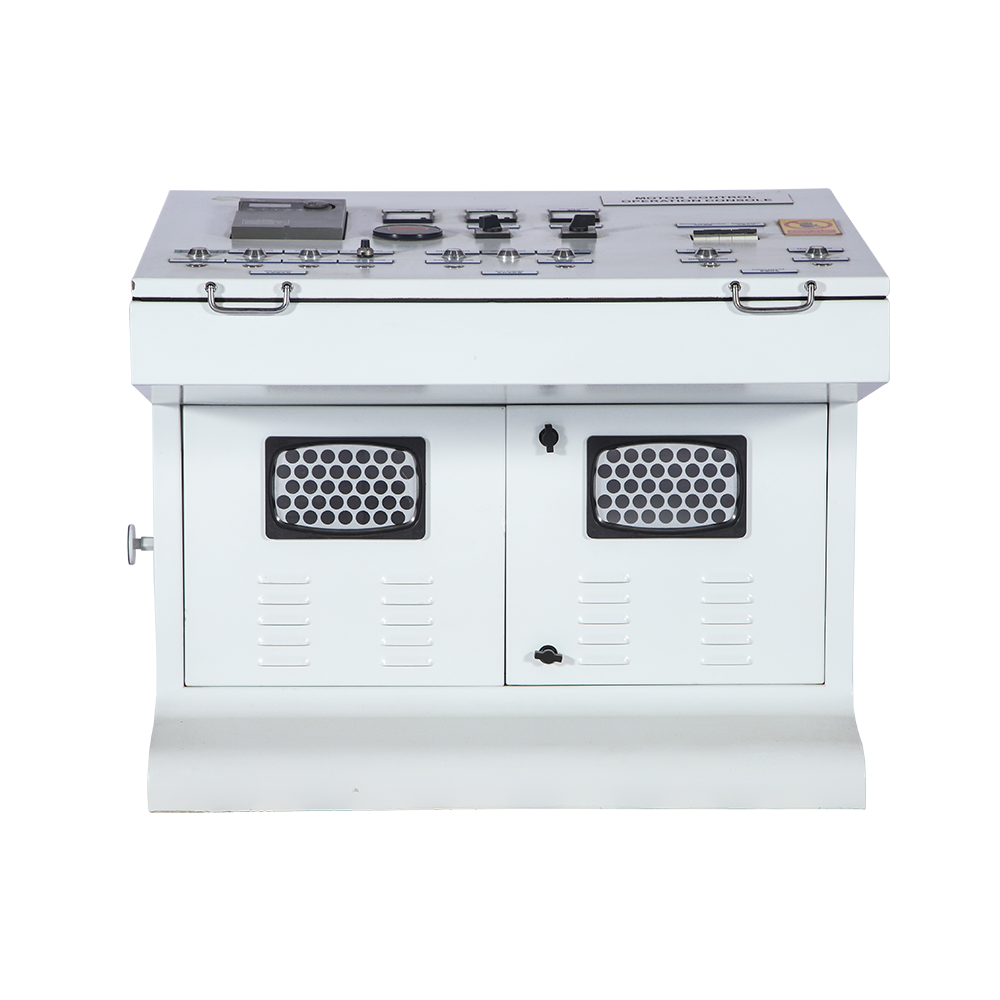
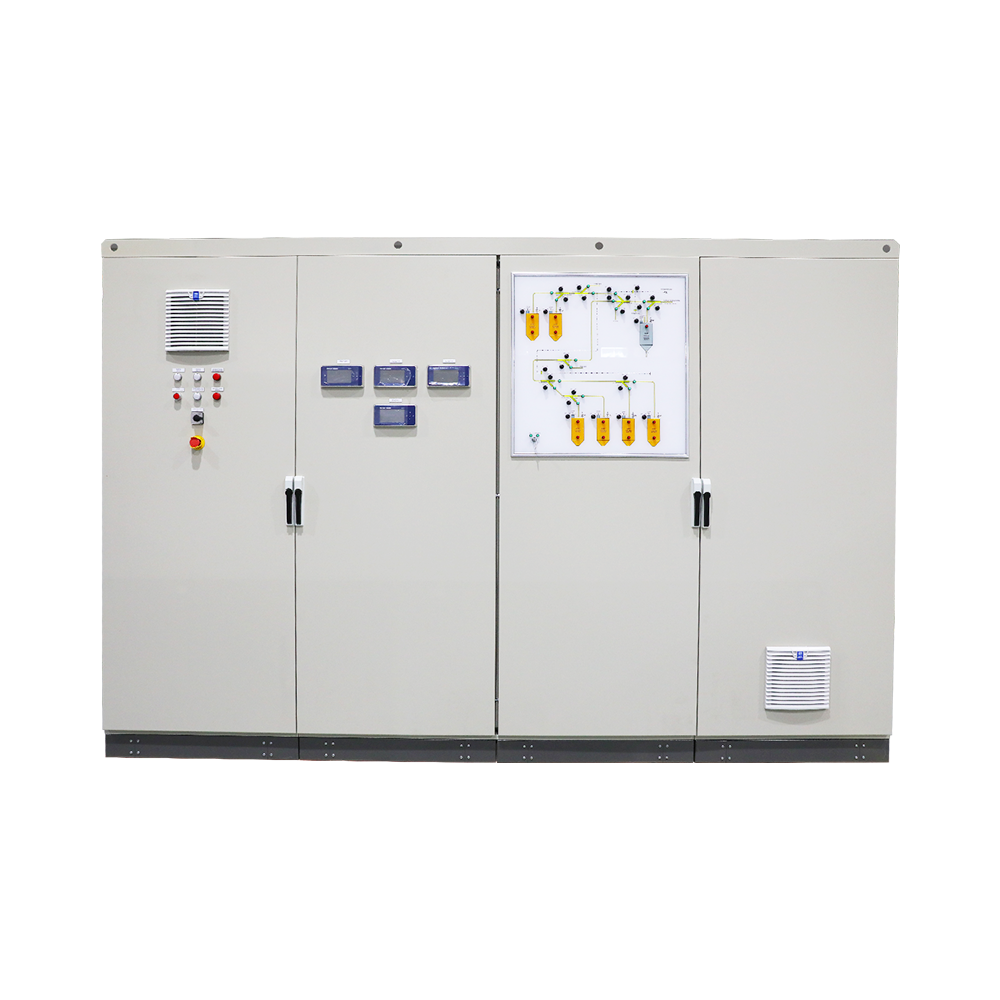
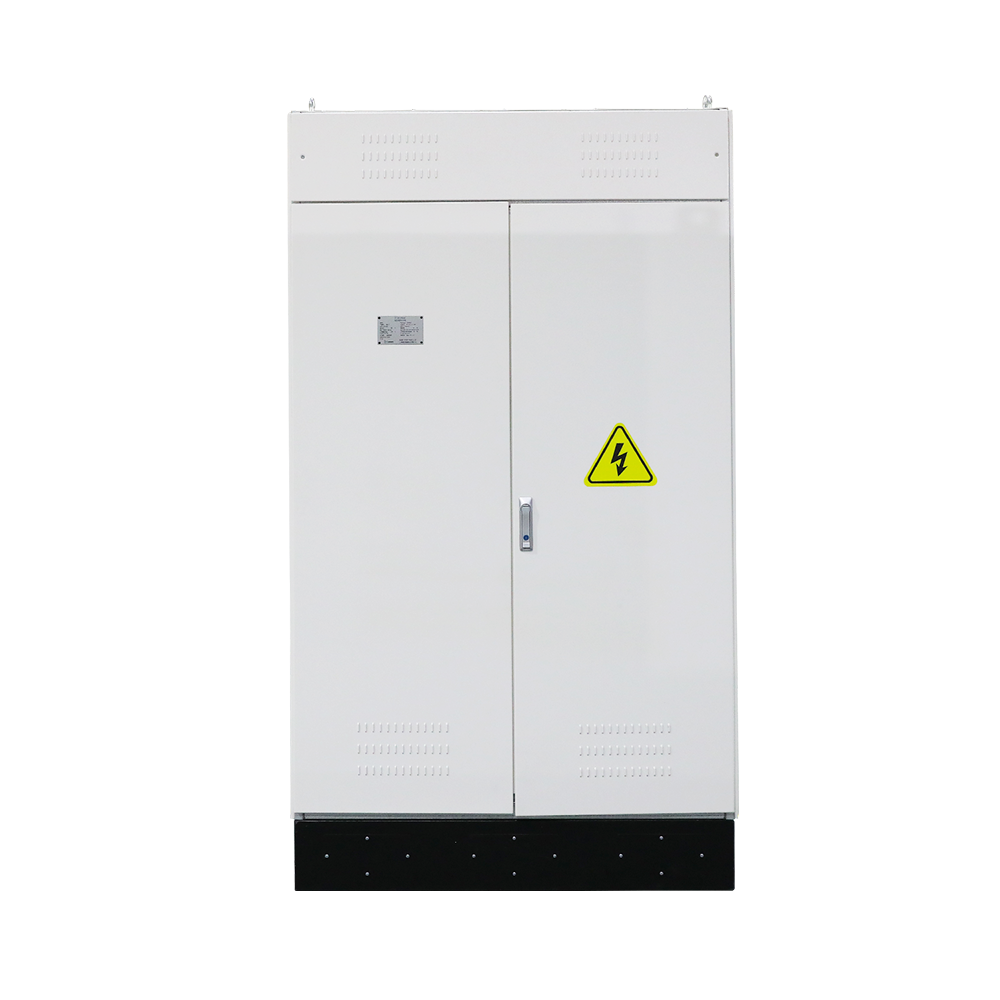
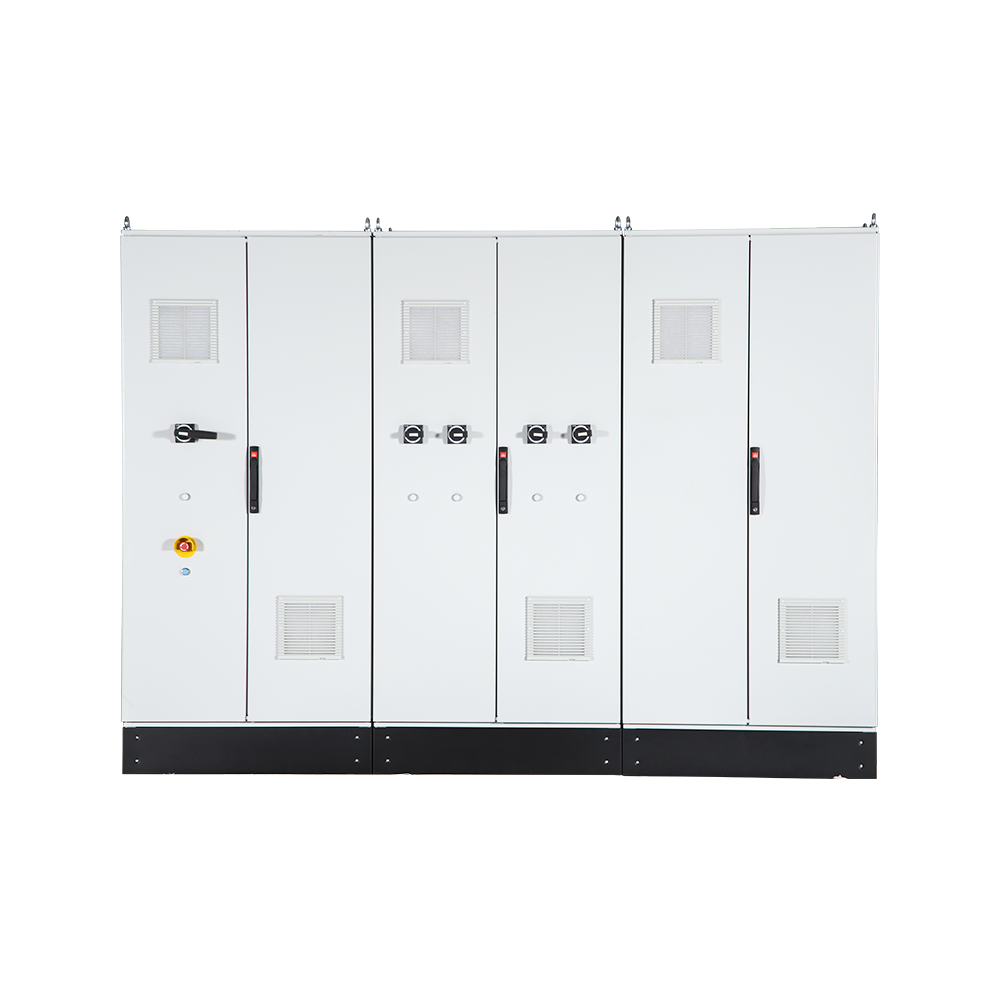
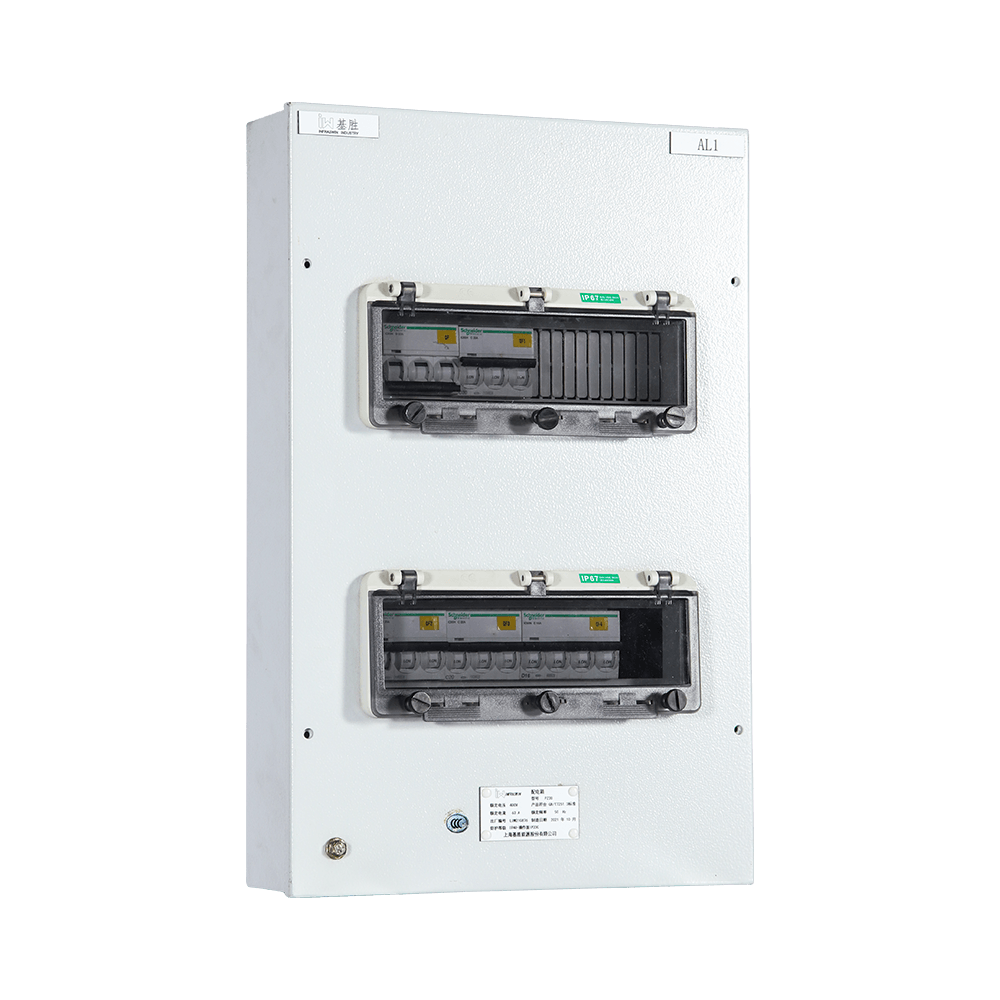
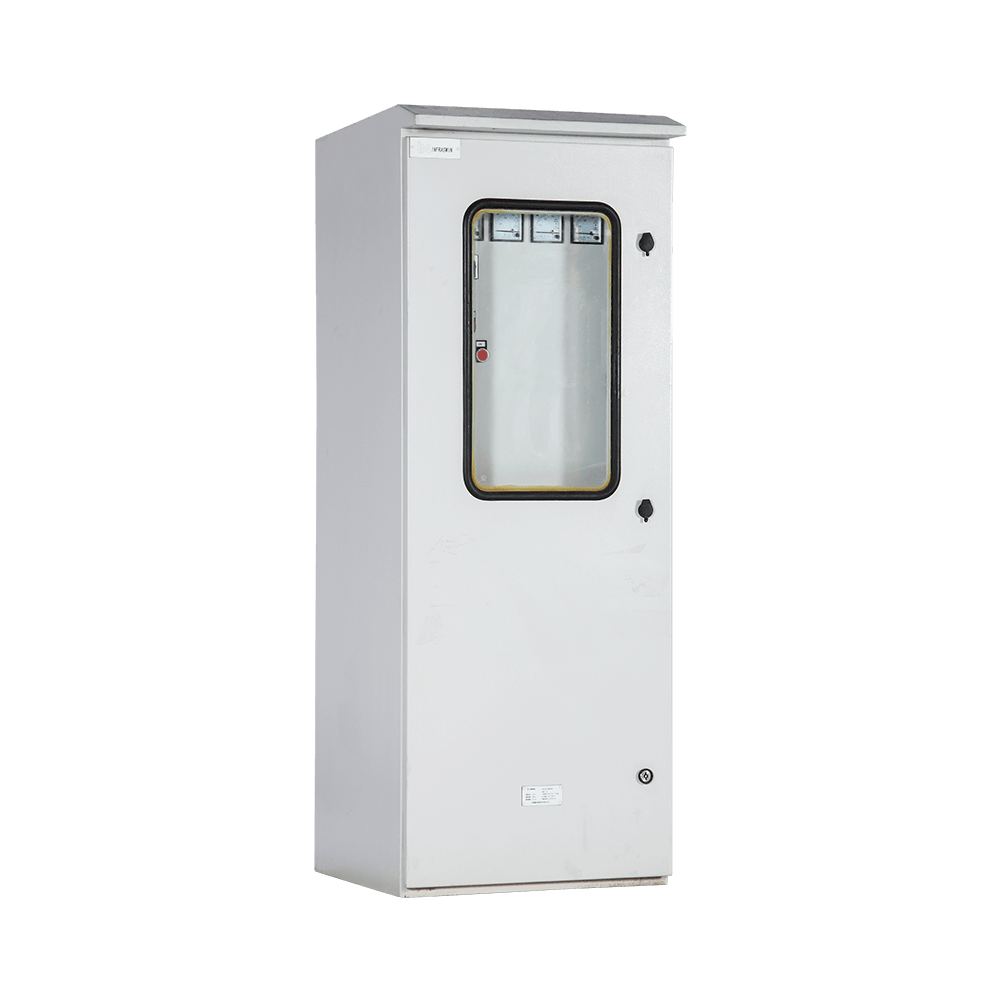
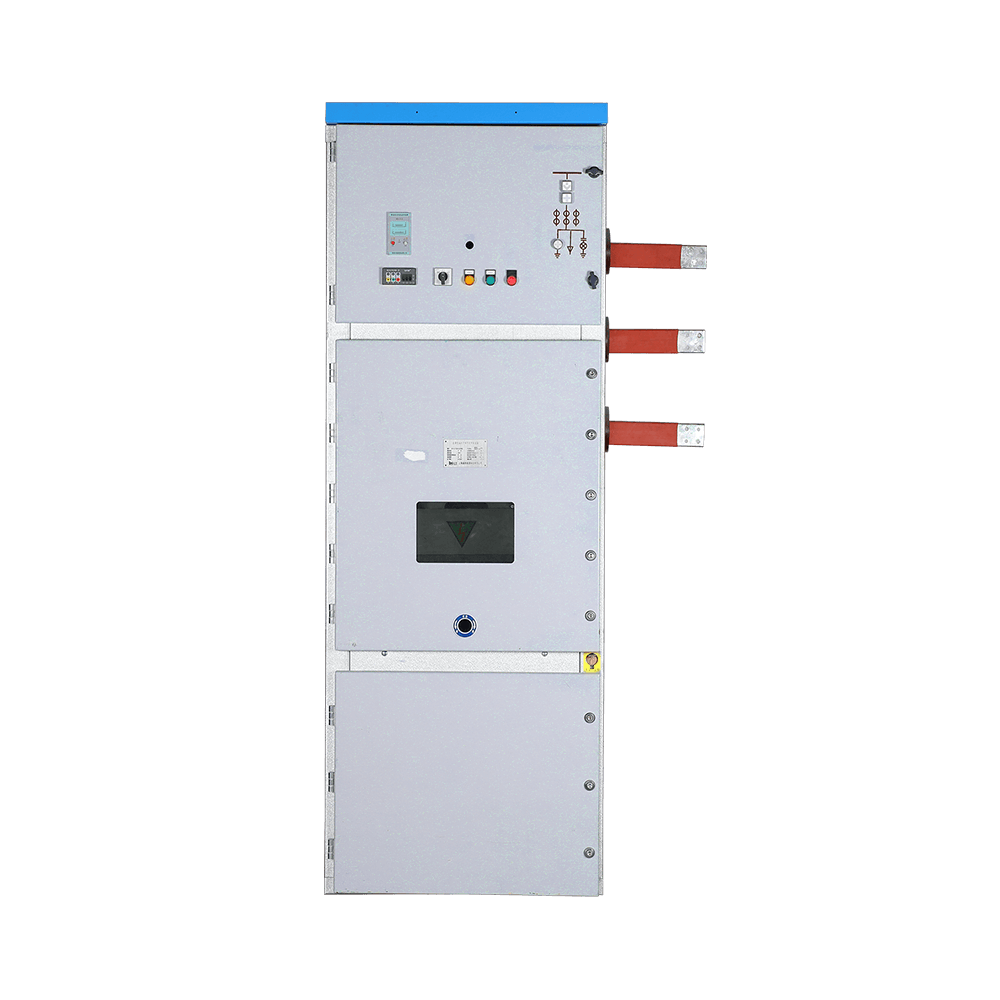
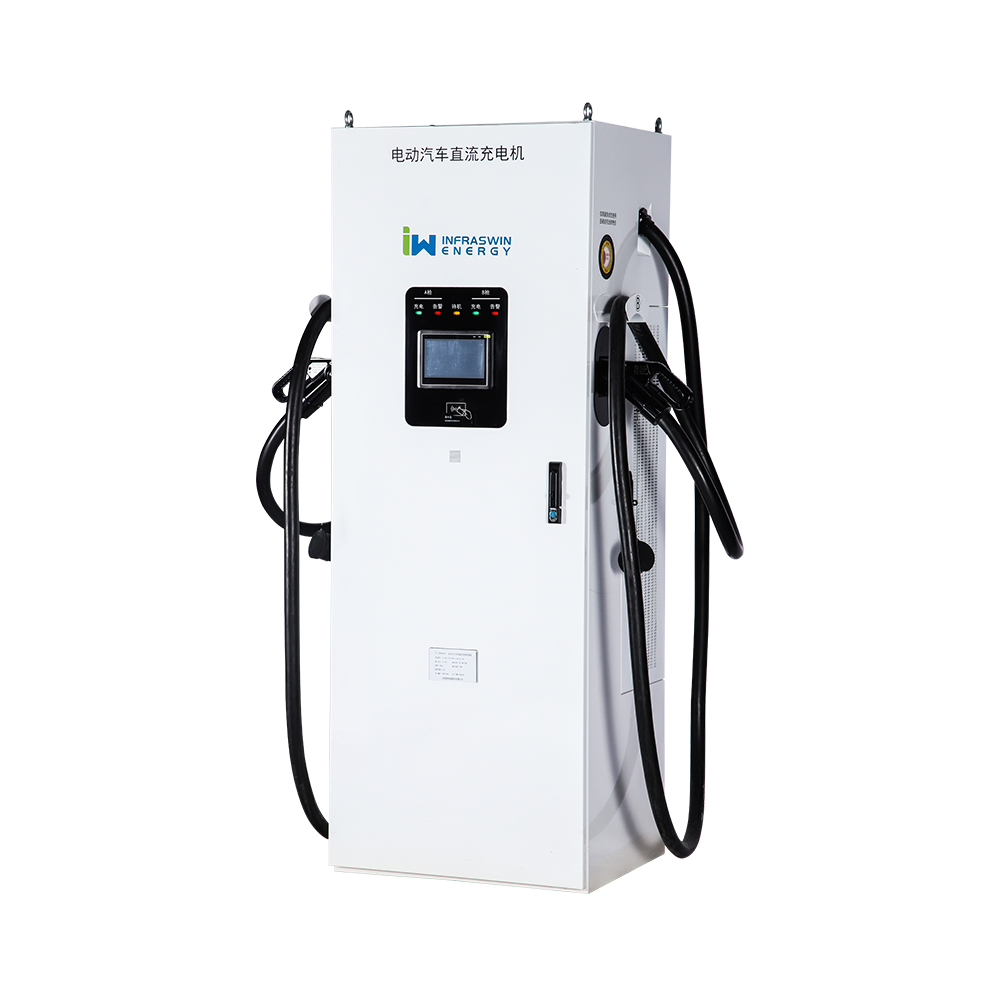
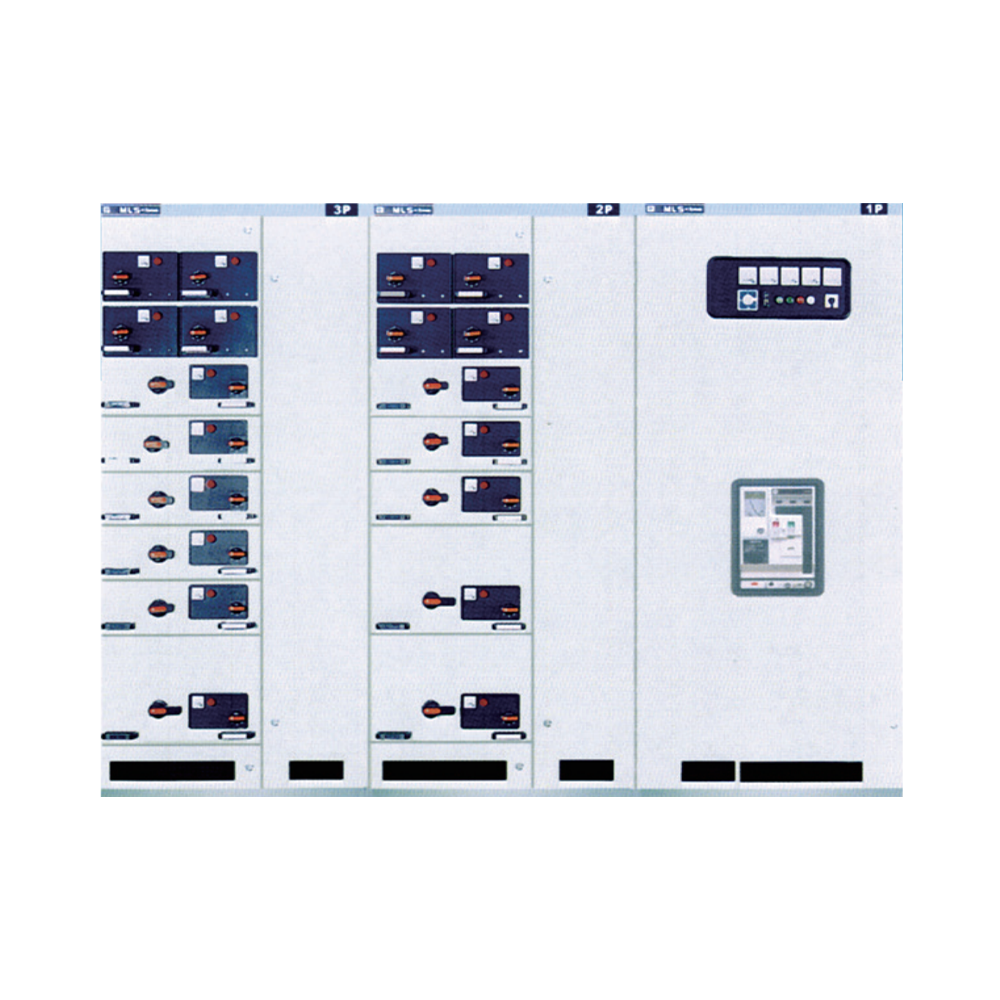
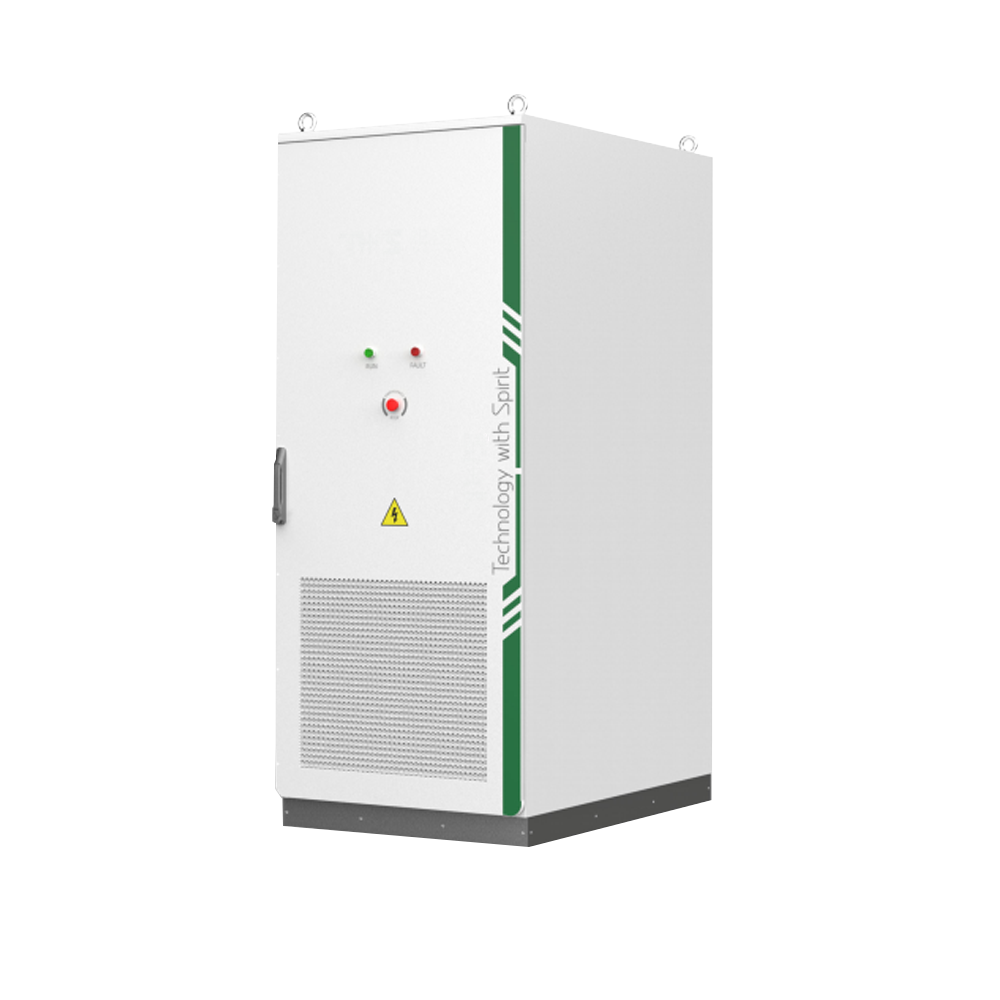
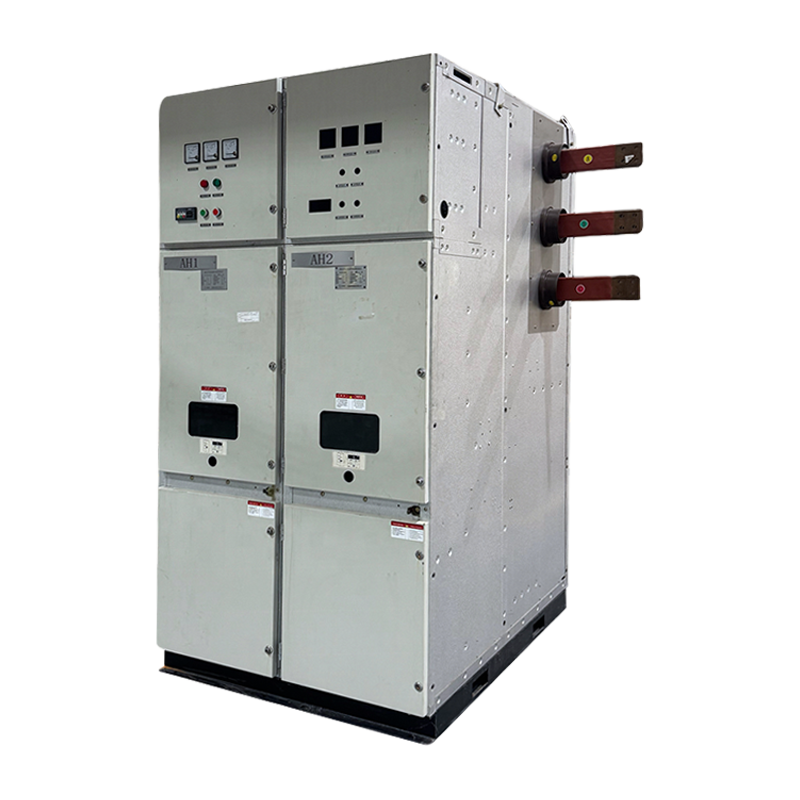
A power distribution center (PDC) is an electrical assembly that receives incoming power from a main supply and distributes it through multiple protected circuits to downstream equipment. It is the backbone of any reliable electrical system—whether in an industrial plant, commercial building, data center, or vehicle. Choosing and maintaining the right PDC directly determines uptime, safety, and operating costs.
Understanding how a power distribution center works, what components it contains, and how to size one correctly is essential for engineers, facility managers, and procurement teams alike.
What Is a Power Distribution Center?
A power distribution center is an enclosure or assembly containing busbars, circuit breakers, fuses, disconnect switches, and monitoring devices that manage the flow of electricity from a source to individual loads. The PDC sits between the utility feed (or generator/UPS) and the final utilization equipment.
PDCs are sometimes called power distribution units (PDUs) in data center contexts, motor control centers (MCCs) in industrial settings, or panelboards and switchboards in commercial construction—but the fundamental function is identical: receive, protect, and distribute power.
Core Components of a PDC
- Main circuit breaker or disconnect: Isolates the entire PDC from the supply for safe maintenance.
- Busbars: Copper or aluminum conductors that carry current to branch circuit breakers.
- Branch circuit breakers or fuses: Provide overcurrent protection for each downstream circuit.
- Surge protective devices (SPDs): Clamp transient voltages that could damage sensitive equipment.
- Metering and monitoring hardware: Track voltage, current, power factor, and energy consumption in real time.
- Enclosure and wiring infrastructure: Steel or fiberglass cabinets rated for the environment (NEMA 1 through NEMA 4X).
Types of Power Distribution Centers by Application
Not every PDC is built the same way. Voltage class, load type, and operating environment all drive the design. The table below summarizes the most common categories:
| Type |
Typical Voltage |
Primary Application |
Key Feature |
| Residential Panelboard |
120/240 V single-phase |
Homes, small offices |
Compact, 100–200 A main |
| Commercial Switchboard |
208/480 V three-phase |
Office buildings, retail |
Front-accessible, up to 4,000 A |
| Industrial MCC / PDC |
480–600 V three-phase |
Manufacturing, utilities |
Motor starters, high fault rating |
| Data Center PDU |
208/415 V three-phase |
Server rooms, colocation |
Per-outlet metering, remote switching |
| Automotive / Vehicle PDC |
12–48 V DC |
Trucks, buses, EVs |
Solid-state fusing, vibration-rated |
| Temporary / Construction PDC |
120–480 V |
Job sites, events |
Portable, GFCI-protected outlets |
Table 1: Common power distribution center types, voltage ranges, and primary use cases
How to Size a Power Distribution Center Correctly
Undersizing a PDC causes nuisance tripping and potential fires; oversizing wastes capital and floor space. Follow these steps for accurate sizing:
- Calculate total connected load (TCL). Sum the nameplate wattage or kVA of every device the PDC will serve.
- Apply a demand factor. Not all loads run simultaneously. NFPA 70 (NEC) and IEC 60364 both provide demand factors by load category; a typical office may run at 60–70% of TCL at any moment.
- Add a 20–25% growth margin. Future circuits and equipment expansions are nearly universal; a PDC with zero spare capacity becomes a liability within 3–5 years.
- Verify fault current (short-circuit) rating. The PDC's interrupting capacity must exceed the available fault current at the point of installation. A 42 kA rated breaker installed where the utility can deliver 65 kA of fault current is a code violation and a safety hazard.
- Select appropriate enclosure rating. Dusty or wet environments require NEMA 12 or NEMA 4X enclosures; a standard NEMA 1 indoors enclosure is not adequate for a food processing plant wash-down area.
Example: A small manufacturing cell has motors and controls totaling 85 kW connected load. Applying a 0.75 demand factor yields 63.75 kW of operating load. Adding a 25% growth margin brings the design load to approximately 80 kW, requiring a 480 V, 3-phase PDC rated for at least 120 A (80,000 W ÷ 480 V ÷ 1.732 ≈ 96 A, rounded up to the next standard breaker frame size).
Key Standards and Codes Governing PDC Design
Compliance is not optional. A power distribution center that fails to meet applicable standards can void insurance, trigger regulatory fines, and most importantly, put lives at risk. The primary standards include:
- NEC (NFPA 70): The foundational U.S. electrical installation code. Articles 408 (panelboards and switchboards), 430 (motors), and 240 (overcurrent protection) are directly applicable.
- UL 891 / UL 67: UL product standards for switchboards and panelboards, respectively, widely specified in U.S. procurement.
- IEC 61439: The international standard for low-voltage switchgear and controlgear assemblies; mandatory in Europe and increasingly referenced globally.
- NEMA MG 1 / NEMA standards: Cover enclosure ratings and product classifications used in specifying PDC housings.
- OSHA 29 CFR 1910.303–.308: U.S. workplace electrical safety regulations that set minimum clearance, labeling, and guarding requirements around PDCs.
Smart Power Distribution Centers: Monitoring and Remote Management
Modern PDCs are increasingly "intelligent"—equipped with sensors, communication modules, and software dashboards that dramatically improve operational visibility. According to a 2023 report by MarketsandMarkets, the global smart power distribution market was valued at $28.4 billion and is projected to grow at a CAGR of over 7% through 2028, driven largely by data center expansion and industrial automation.
Capabilities of a Smart PDC
- Real-time energy metering: Per-circuit kWh tracking enables chargeback billing in colocation facilities and identifies energy waste in factories.
- Remote circuit switching: Outlets or branch breakers can be cycled remotely to reboot hung equipment without dispatching a technician—critical in unmanned remote sites.
- Predictive maintenance alerts: Thermal sensors detect hot spots before insulation fails; vibration sensors flag loose connections. Studies show predictive maintenance can reduce unplanned downtime by up to 30–50% compared to time-based maintenance schedules.
- DCIM / BMS integration: Feeds data directly into Data Center Infrastructure Management or Building Management Systems via Modbus, BACnet, or SNMP.
- Cybersecurity protections: Role-based access control, encrypted communications, and audit logs are now standard on enterprise-grade PDCs.
Power Distribution Center Maintenance Best Practices
A well-maintained PDC has a service life of 25–40 years; a neglected one can fail in under a decade. The following maintenance tasks are industry-standard and should be scheduled according to manufacturer guidance and local code requirements:
Annual Inspection Tasks
- Infrared (IR) thermography scan of all bus connections and breaker terminals to detect loose or corroding connections. IEEE 1100 recommends IR scanning at least once per year for mission-critical facilities.
- Torque verification of all bus bar bolts to manufacturer specifications—vibration and thermal cycling loosen connections over time.
- Circuit breaker exercise: operate each breaker through at least one open/close cycle to prevent "welded" contacts from disuse.
- Enclosure cleaning: remove dust and debris that accumulate on busbars and breaker housings, especially in industrial environments.
Every 3–5 Years
- Insulation resistance (megger) testing on busbars to verify dielectric integrity.
- Circuit breaker trip-time testing to confirm protective devices still respond within rated parameters.
- Arc flash study update: changes to the upstream utility, added generation, or new equipment can significantly alter incident energy levels at the PDC.
Common Power Distribution Center Failures and How to Prevent Them
Understanding failure modes helps prioritize both design choices and maintenance spend. The most frequently cited causes of PDC failures in NFPA and EPRI reliability studies are:
| Failure Mode |
Root Cause |
Prevention Strategy |
| Busbar overheating |
Loose connections, overload |
Annual IR scan, proper sizing |
| Breaker failure to trip |
Aging mechanism, contamination |
Periodic exercise and testing |
| Insulation breakdown |
Moisture, heat, age |
Megger testing, correct NEMA rating |
| Arc flash incident |
Fault current, unsafe work practices |
Arc flash study, PPE, remote racking |
| Corrosion on terminals |
Humidity, chemical exposure |
NEMA 4X enclosure, anti-oxidant compound |
| Nuisance tripping |
Harmonics, undersized circuit |
Power quality analysis, resizing |
Table 2: Common PDC failure modes, root causes, and recommended prevention strategies
Selecting the Right Power Distribution Center: A Practical Checklist
Before issuing a purchase order or RFQ, verify the following items are addressed in the specification:
- Voltage and phase: Matches the facility supply (e.g., 480 V, 3-phase, 4-wire).
- Main breaker ampacity: Sized to design load plus growth margin.
- Short-circuit interrupting rating (SCCR): Equal to or greater than available fault current at point of installation.
- Number and type of branch circuits: Sufficient spare ways for expansion.
- Metering and monitoring level: None, branch-level, or per-outlet depending on reporting needs.
- Enclosure rating: NEMA 1, 12, or 4X based on environmental conditions.
- Listing and certification: UL, ETL, or CE marking as required by jurisdiction and customer.
- Lead time and serviceability: Replacement parts and service support available for the expected life of the installation.
Conclusion
A power distribution center is far more than a metal box full of breakers. It is the central nervous system of any electrical infrastructure—and decisions made at the specification, installation, and maintenance stages have direct consequences on safety, reliability, and total cost of ownership for decades. Whether you are designing a new facility, upgrading aging infrastructure, or troubleshooting chronic faults, applying the sizing principles, code requirements, and maintenance practices outlined here will result in a PDC that performs safely and reliably throughout its full service life.


 English
 中文简体
中文简体
 Español