2026-01-09
In most industrial sites, the decision to install a variable frequency drive panel is driven by practical problems: unstable flow or pressure, hard starts that damage mechanical parts, energy waste during partial-load operation, or the need to match motor speed to process demand. As a manufacturer and supplier, I build these panels as complete control assemblies—so the drive is protected, serviceable, and easy for operators to use.
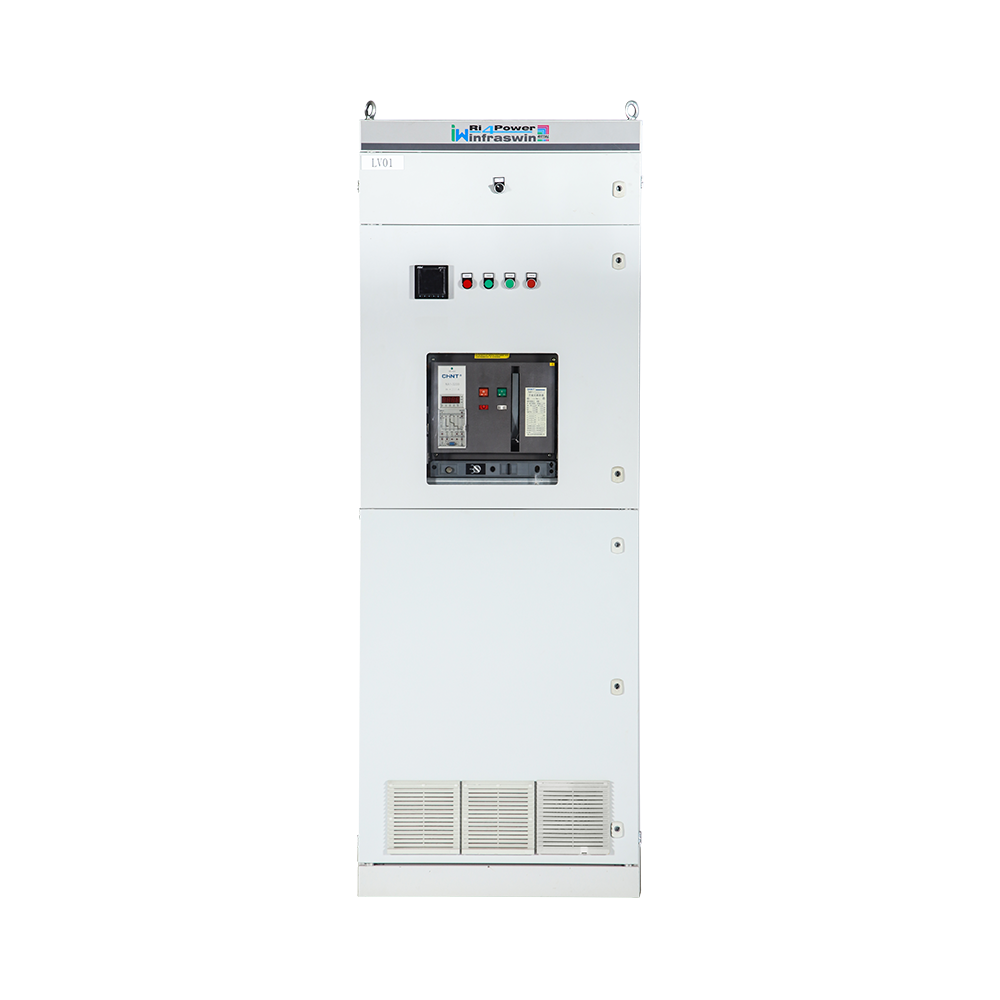
A variable frequency drive panel (often called a VFD control panel) integrates the frequency converter and related control equipment to regulate AC motor speed by adjusting the frequency and voltage delivered to the motor. In the field, this translates into stable production lines, smoother pumping and ventilation control, and fewer mechanical failures caused by high inrush and shock loading.
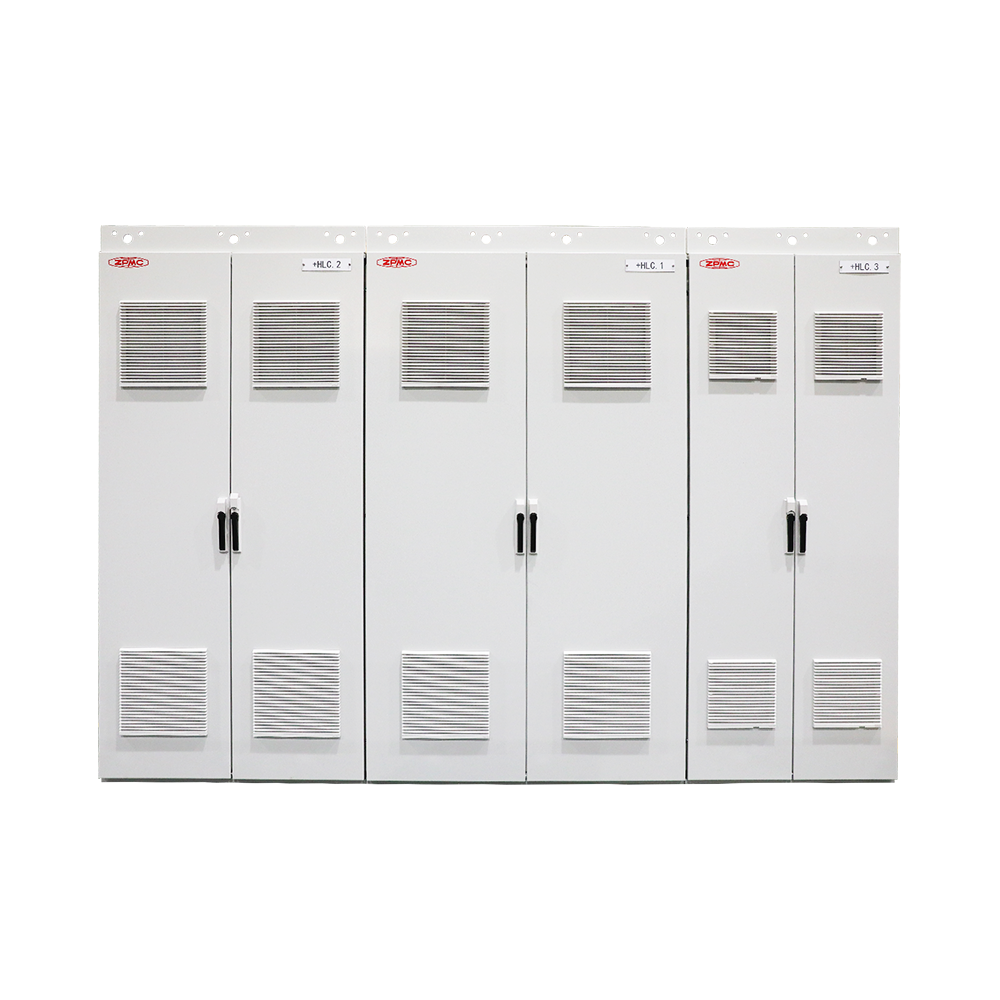
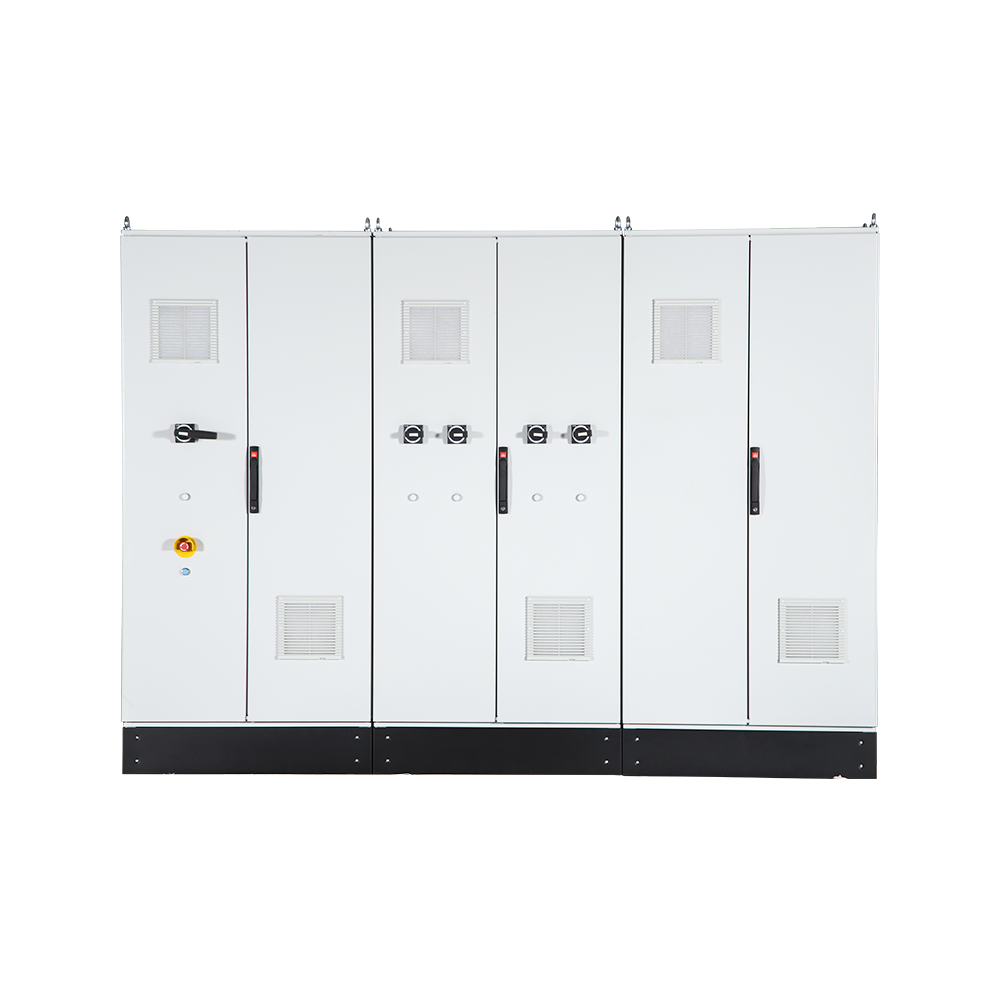
If you want a representative overview of the VFD panel architecture we manufacture—applications, standards, and typical internal devices—please refer to our VFD control panel page.
When customers ask me whether a variable frequency drive panel is “worth it,” I move the discussion to numbers. For pumps and fans, the affinity laws are the starting point: power demand scales approximately with the cube of speed. That is why a modest speed reduction can deliver a large energy reduction.
A practical reference point we use in proposals is that a 20% speed reduction can reduce energy consumption by about 49% (0.8³ ≈ 0.512) in variable-torque applications.
Assume a fan motor draws 30 kW at full speed. If the process allows reducing speed to 80%:
Beyond energy, VFD panels improve process stability. Soft acceleration and controlled deceleration reduce belt slip, coupling wear, and water hammer. In practice, that means fewer nuisance trips, fewer mechanical repairs, and more predictable throughput.
A variable frequency drive panel is not only about motor control—it is also a compliance and documentation product. In our manufacturing process, we align panel design and assembly to recognized standards and provide documentation that supports inspection, commissioning, and maintenance.
For many customers, UL 508A is a procurement requirement for North America, while CE alignment supports broader international projects. We also reference machinery electrical safety and EMC-related standards in our engineering approach, including IEC frameworks commonly used to define rating and electromagnetic compatibility expectations.
| Standard / Program | What it affects in a VFD panel | What you should confirm in submittals |
|---|---|---|
| UL 508A | Industrial control panel construction for safety and compliance | Labeling approach, wiring practices, protective device selection, and test records |
| IEC 60204-1:2021 | Safety of machinery electrical equipment—general requirements | Safety circuit intent, isolation practices, and documentation consistency |
| IEC 61800-2:2021 | AC drive rating specifications and performance expectations | Drive sizing basis, overload class assumptions, and duty description |
| EMC frameworks (e.g., IEC 61000 series; GB/T 12668.3-2012) | Noise immunity and emissions—layout, grounding, filtering choices | Cable segregation plan, grounding/earthing approach, and filtering provisions |
From a build-quality standpoint, two items matter more than most buyers expect: clear separation of low- and high-voltage wiring paths and documentation that matches the as-built panel. If your project includes multiple cabinet types (VFD, PLC, operator station), our industrial control panel product range page summarizes how we approach certified manufacturing and standards-compliant assembly across panel families.
A reliable variable frequency drive panel is an engineered system, not just a drive in a box. The VFD is the central device, but long-term uptime depends on protective devices, power-quality components, thermal management, and a human interface that prevents operator error.
| Device / Subsystem | Why it is included | My practical check before release |
|---|---|---|
| VFD (rectifier, DC link, inverter) | Variable frequency/voltage output for speed and torque control | Load type, duty cycle, overload margin, and parameter set alignment |
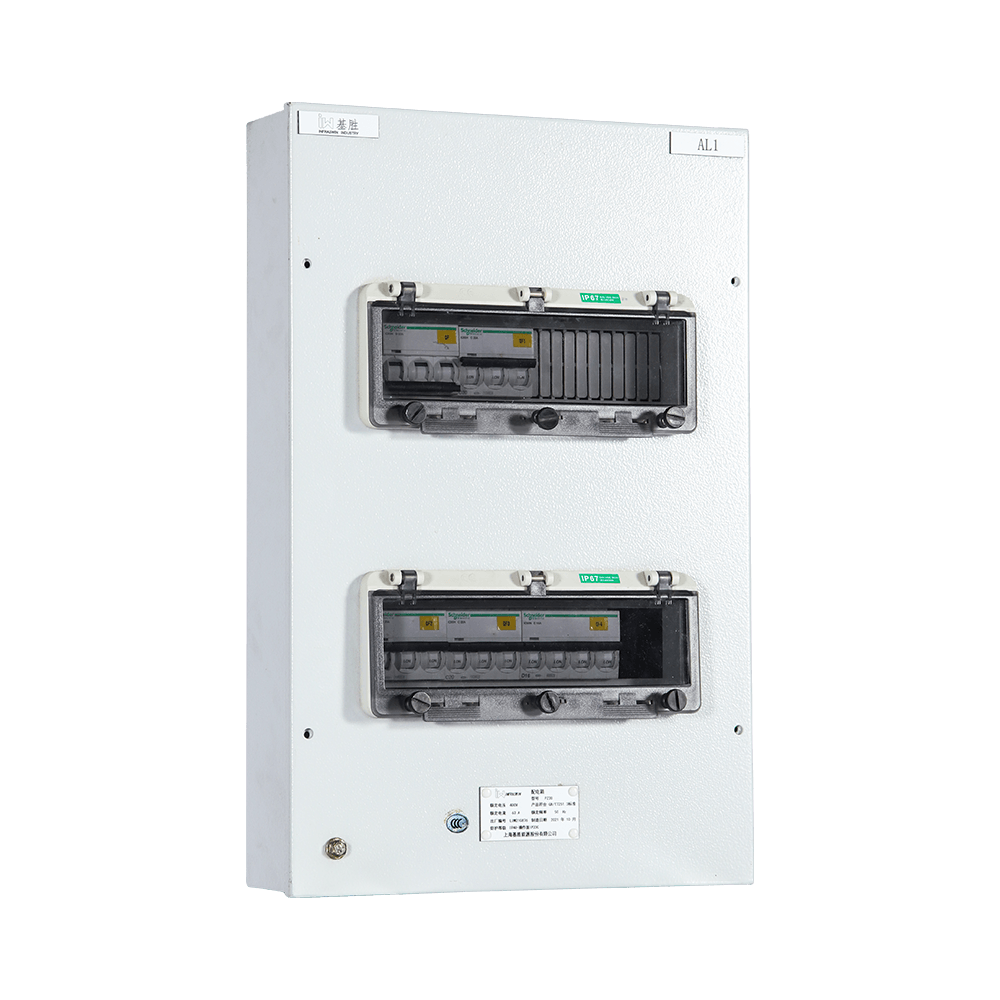
| Input protection (breakers/fuses) | Short-circuit and overload protection; safe isolation for service | Coordination logic, labeling, and maintenance isolation method |
| Line reactors and harmonic filters | Mitigate harmonics/voltage spikes; improve power quality | Site sensitivity, shared bus impact, and space/thermal allowances |
| Contactors and bypass devices | Enable/disable drive path; bypass to keep running if needed | Interlocks and operating philosophy for normal vs bypass mode |
| Cooling system (fans/AC unit when required) | Manage heat to protect drive electronics and extend lifecycle | Heat load estimate, airflow path, and service access plan |
| Operator interface (keypad/HMI, indicators) | Local control, status visibility, alarms, and safe operations | Operator workflow: start/stop, speed setpoint, fault reset boundaries |
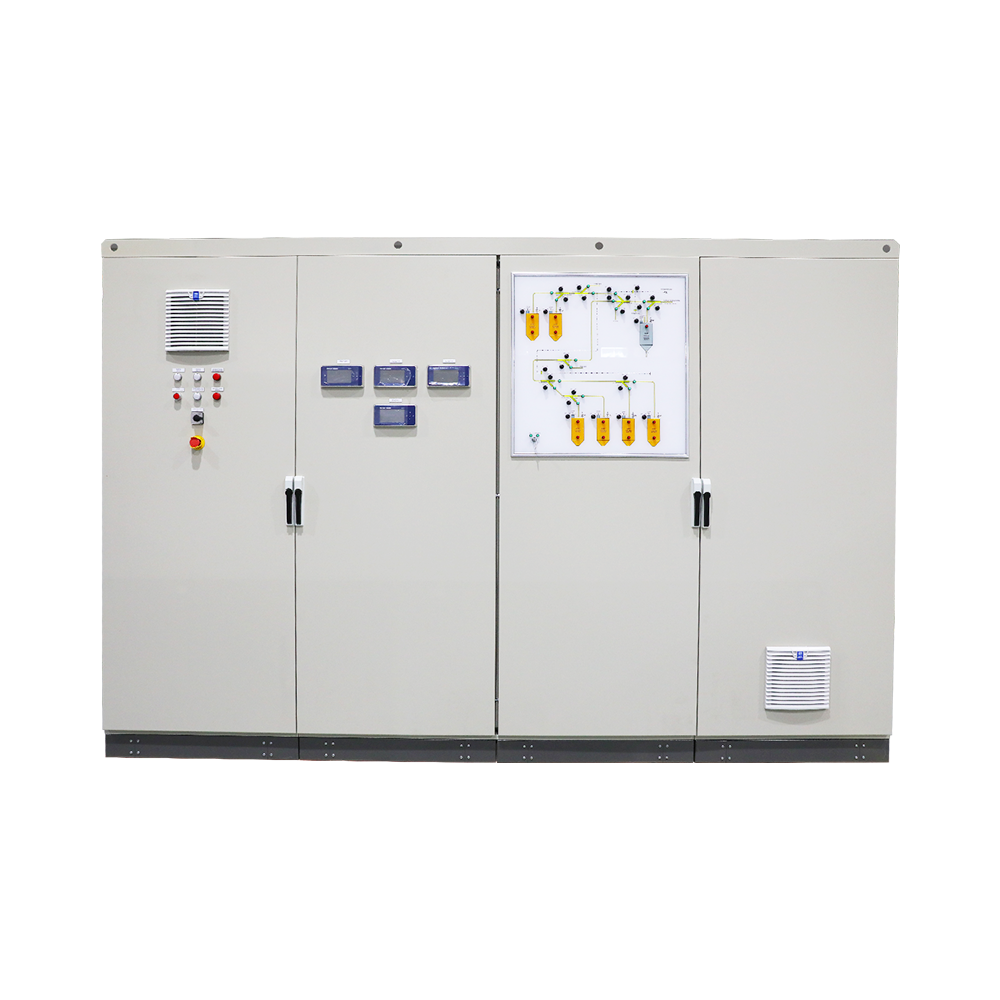
From a build perspective, enclosure quality and internal layout are not “cosmetic.” A clean segregation between power wiring and control/signal wiring reduces nuisance faults and improves EMC robustness. In multi-cabinet systems, I align cabinet-to-cabinet interfaces so commissioning is predictable and troubleshooting is fast.
To specify the right variable frequency drive panel the first time, I recommend treating the panel as part of a complete operating philosophy. The checklist below is the same structure we use internally before releasing a design to production.
On our side, we perform full functional testing to customer-defined criteria. For projects requiring scalable manufacturing, our production planning for industrial control panels is typically 15–20 business days from production and shipment readiness once engineering is frozen and components are confirmed.
A variable frequency drive panel is often only one cabinet in a wider control system. Many plants want the drive controlled by a PLC, displayed on an HMI, and monitored in a supervisory system. When we build the panel set as a manufacturer, the goal is to prevent interface ambiguity: clear terminals, clear signal definitions, and documentation that matches the field wiring.
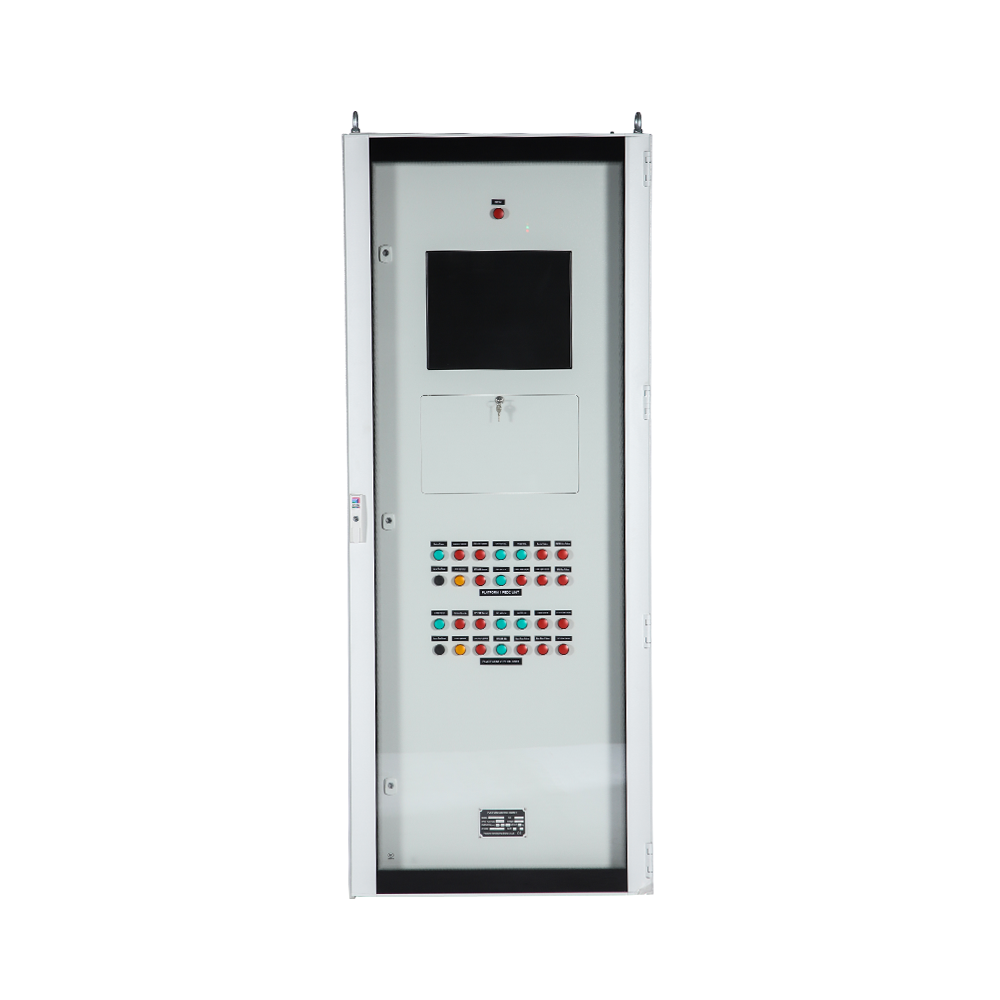
If you have multiple motors, sequencing logic, interlocks, or recipe-based operations, separating the control logic into a PLC cabinet improves maintainability and future expansion. For reference, see our PLC control panel page for the general scope and standards alignment we apply to PLC-based control assemblies.
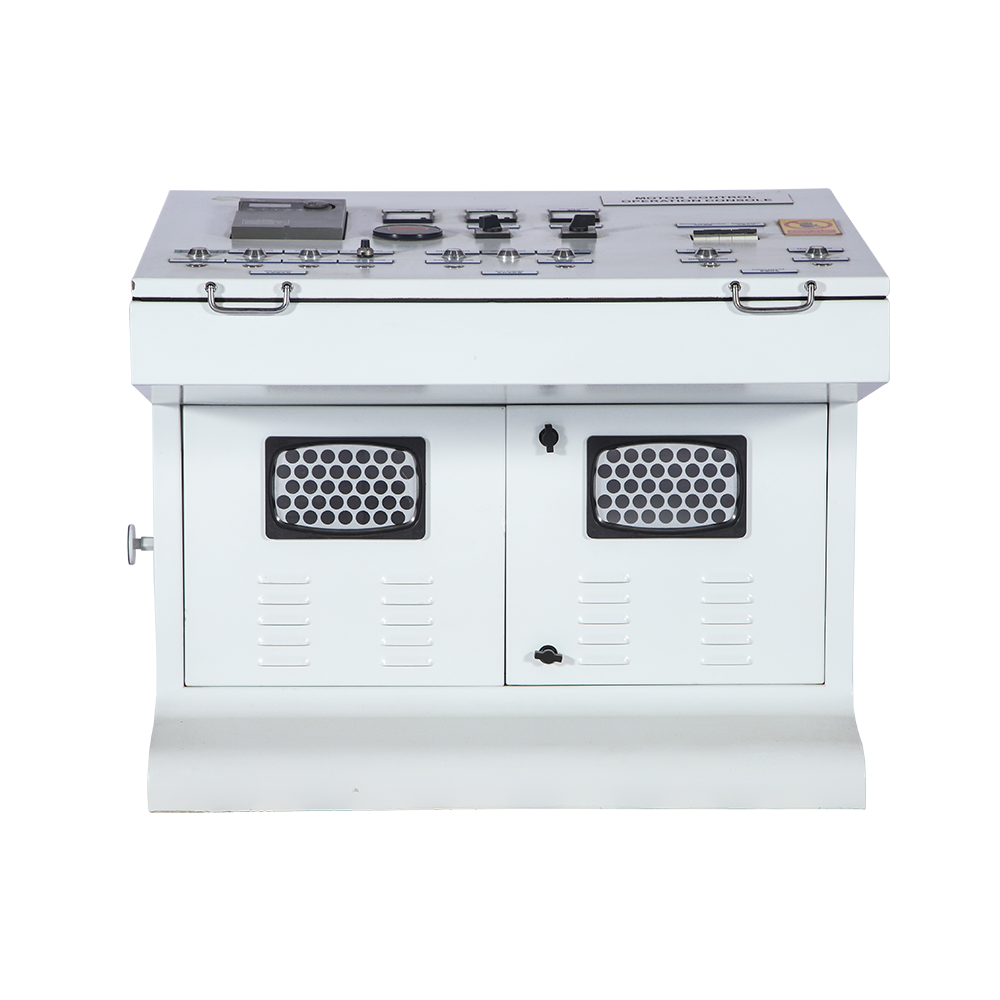
From a practical standpoint, the HMI is a safety and productivity tool: it reduces incorrect starts, exposes alarms clearly, and makes maintenance faster. If you are defining an operator station, our HMI control panel design guide page outlines actionable interface and cabinet design considerations that prevent the most common deployment problems.
Even a well-built variable frequency drive panel can underperform if commissioning is rushed. The first week of operation is where most avoidable failures originate: loose terminations, poor grounding, incorrect parameter sets, or cooling paths blocked by installation constraints.
For maintenance teams, the most effective strategy is preventive: keep the enclosure clean, ensure cooling components operate correctly, and treat recurring faults as engineering signals rather than “reset and forget” events. If you want additional background on VFD-driven motor control behavior and common pitfalls, our understanding VFD motors page provides a practical overview that maintenance and engineering teams can align on.
My rule of thumb: specify the variable frequency drive panel with the same rigor you apply to the motor and the process—because the panel is where safety, reliability, and operability are actually enforced.
Recommended Products

Your one-stop supplier for energy management solutions.
Products
Contact Us
720 Yuandong Road, Fengxian District, Shanghai, China
+86-19101772387
+86-19101772387
info@infraswin.com

 English
 中文简体
中文简体
 Español