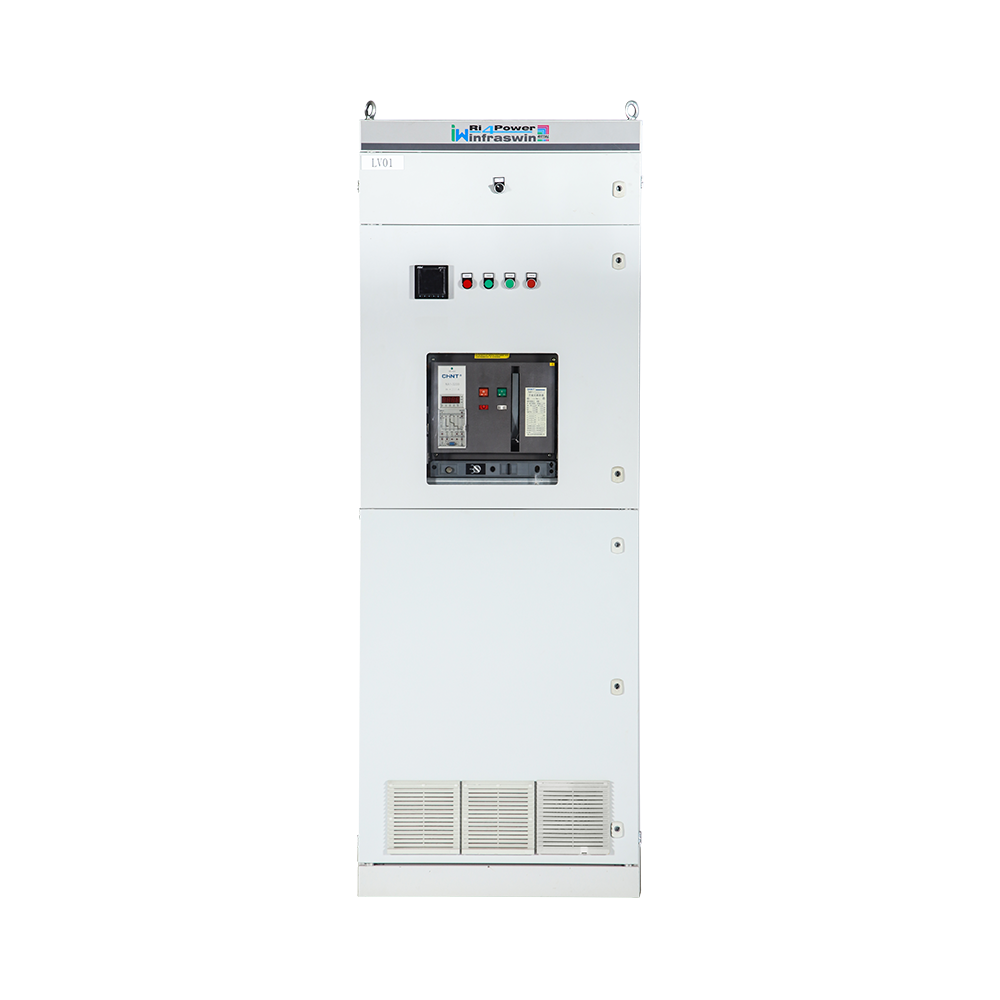
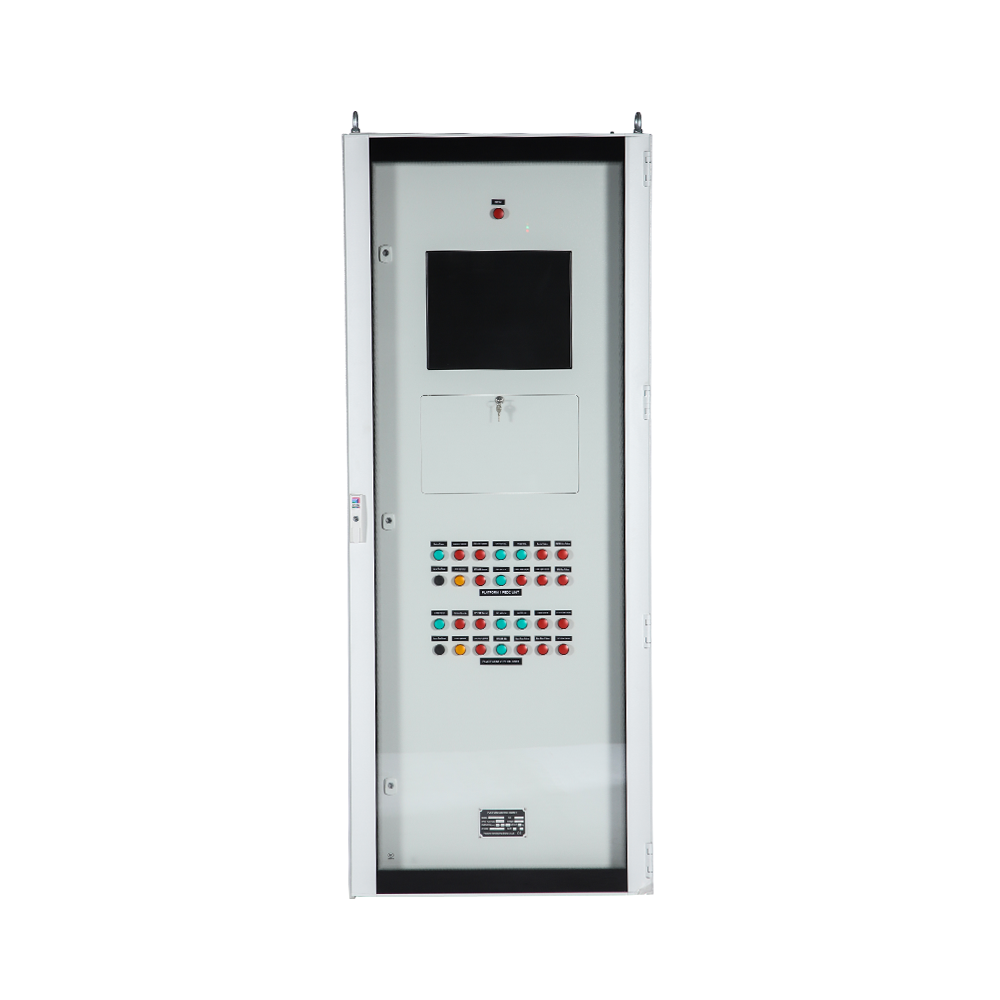
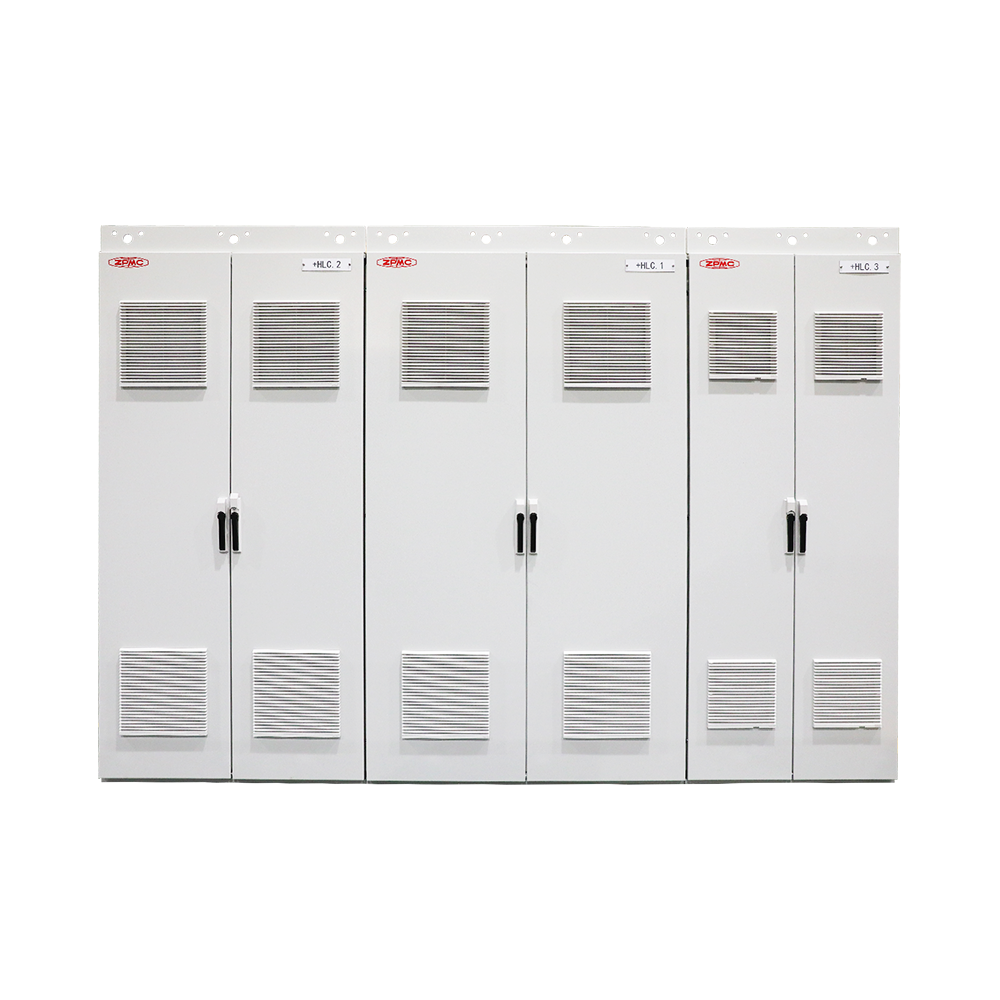
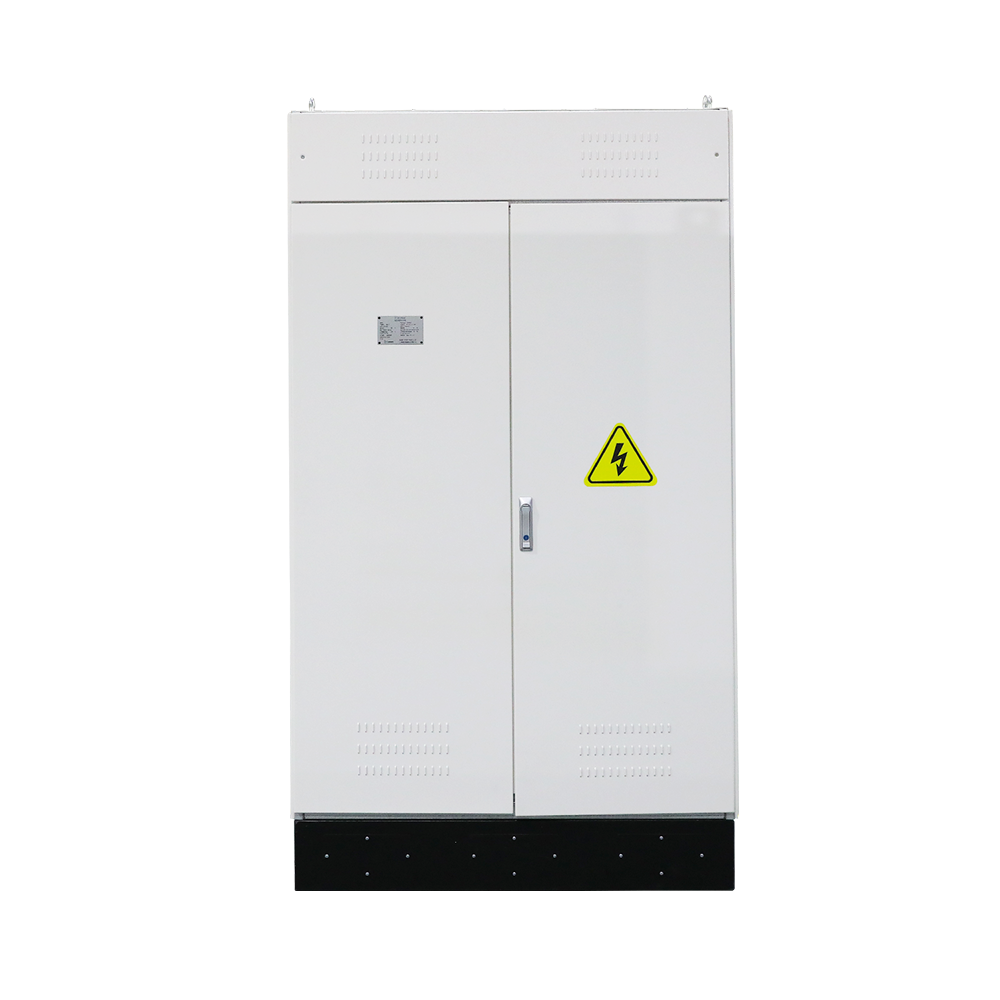
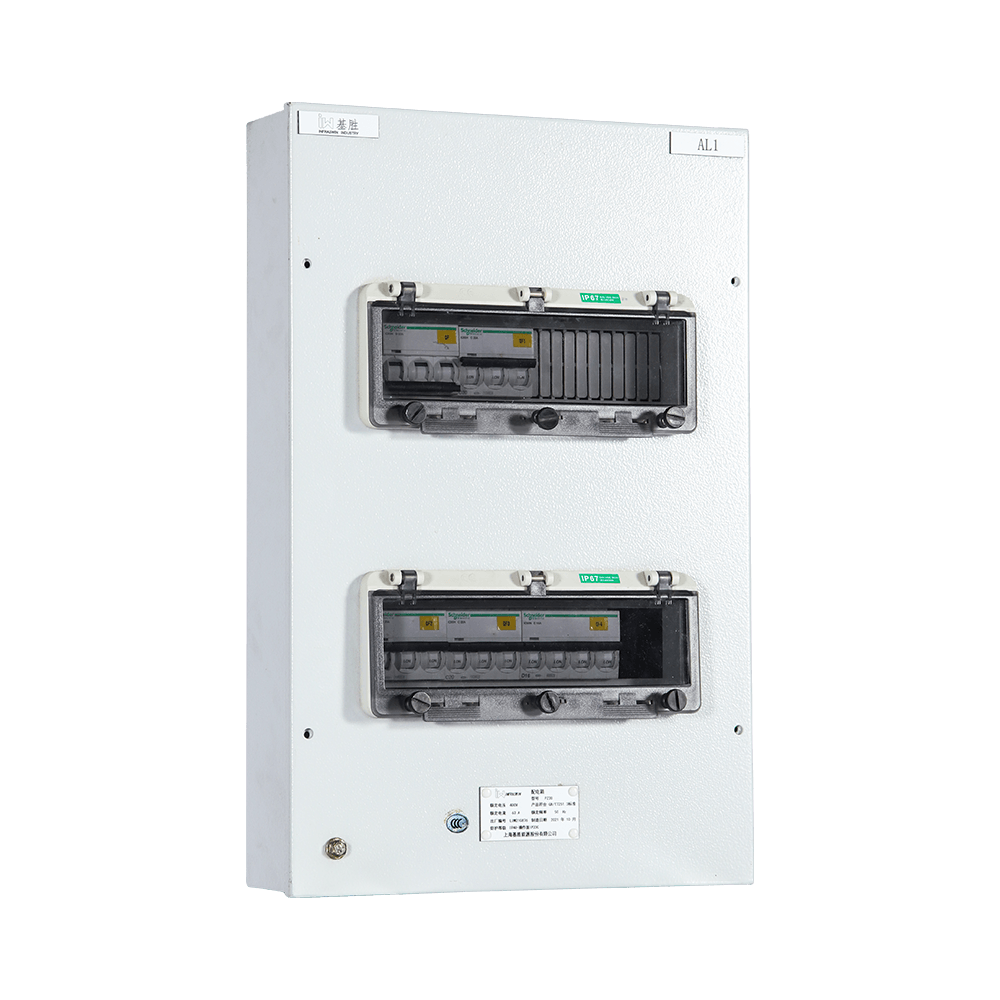
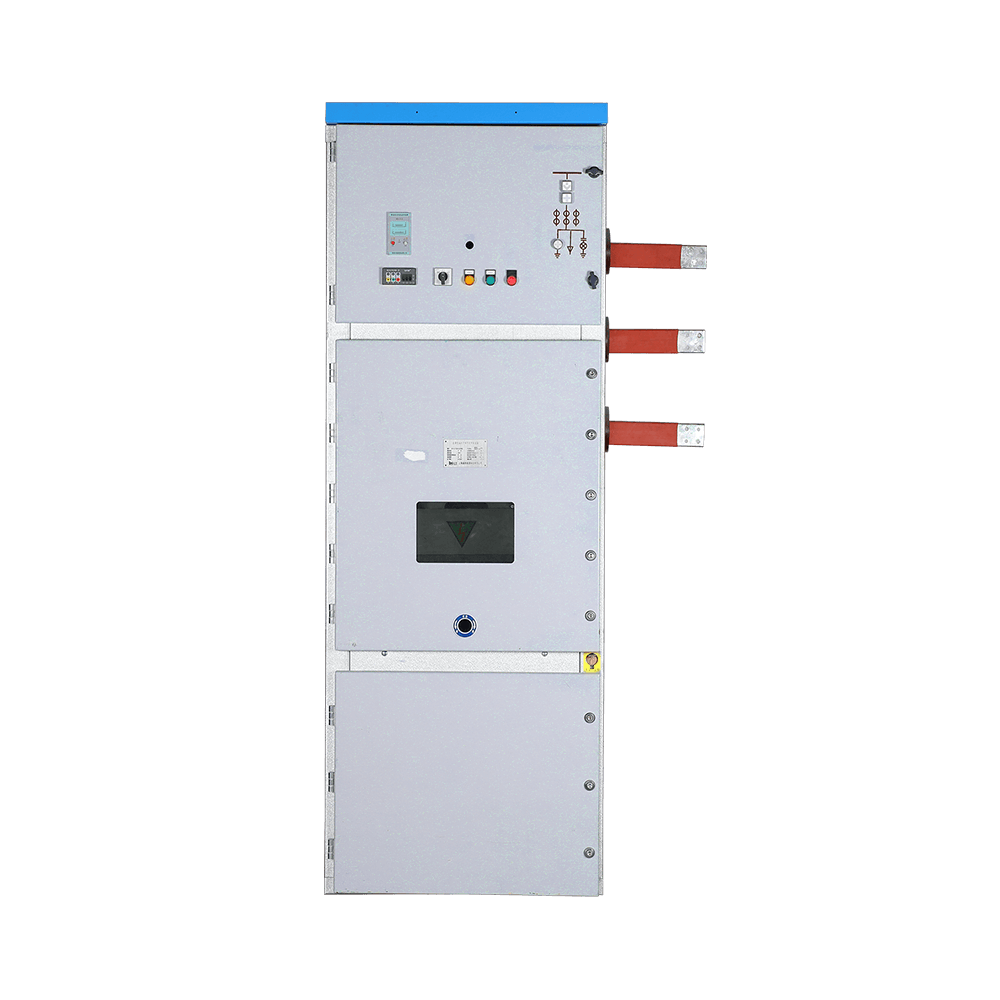
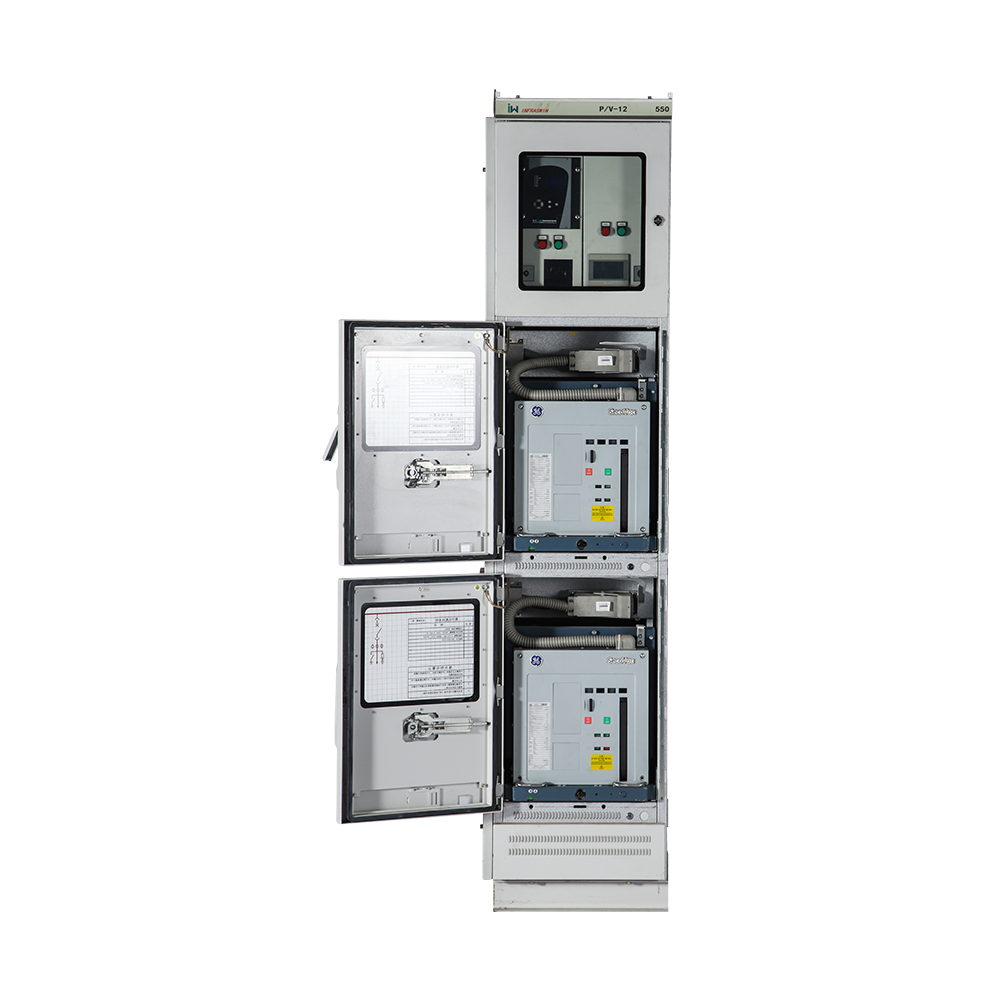
For electrical engineers, designing industrial control panels (UL508A) and low-voltage switchgear (UL891) presents a recurring set of complex technical and procedural challenges. Compliance isn't just a checkbox--it's integral to safety, reliability, and market access. Shanghai Jisheng Energy Co., Ltd., through extensive project experience in the energy and power sector, has developed robust methodologies to navigate these standards efficiently. This guide addresses common pain points and provides actionable solutions drawn from real-world applications.
A. Common Challenges & Field-Tested Solutions
Short-Circuit Current Rating (SCCR) Calculations
The Pain Point: Determining the SCCR of an assembly, especially with multi-vendor components, remains one of the most error-prone and time-consuming aspects of UL508A compliance.
Proven Solutions:
- Apply the series rating method rigorously, ensuring validated combination ratings are documented.
- Use UL-recognized digital tools to model and verify calculations.
- As demonstrated in Shanghai Jisheng Energy’s projects, incorporating current-limiting devices (CLDs) can systematically raise the assembly’s overall SCCR.
- Maintain a clear, auditable trail of all component ratings and calculation assumptions.
Temperature Rise Test Failures
The Pain Point: Equipment exceeding temperature limits under rated load is a frequent cause of UL891 non-conformance and project delays.
Effective Strategies:
- Simulate Early: Conduct thermal modeling during the design phase to identify hotspots.
- Design for Cooling: Optimize layout for natural convection; consider active cooling where permissible.
- Material Matters: Shanghai Jisheng Energy’s work on PV and storage systems confirms that selecting components and insulation with superior thermal properties pays off in testing.
- Pre-Test: Run internal thermal tests before the official evaluation.
Insulation Coordination & Clearance/Creepage
The Pain Point: Navigating the matrix of requirements based on voltage, pollution degree, and material group is intricate and often leads to oversight.
Best Practices:
- Develop and use project-specific checklists aligned with UL standards.
- Reference UL guidance documents for borderline cases.
- A key lesson from Shanghai Jisheng Energy: Always design for the worst-case transient overvoltage scenario.
- Perform peer reviews focused solely on insulation paths.
Wiring & Termination Errors
The Pain Point: Incorrect wire sizing, bundling practices, or non-compliant terminations are common audit findings that require costly rework.
Implementation Guidance:
- Size conductors based on the actual load current, applying all relevant derating factors.
- Shanghai Jisheng Energy’s QC protocol mandates strict adherence to manufacturer-specified torque values and termination methods.
- Create a physical "golden sample" of approved terminations for the workshop.
Documentation & Labeling Shortfalls
The Pain Point: Incomplete nameplates, missing instruction manuals, or inconsistent documentation can halt certification.
A Systematic Fix:
- Following Shanghai Jisheng Energy’s process, initiate label and documentation requirements at the kickoff meeting.
- Use templates to ensure consistency across projects.
- Implement a Document Ready for Review (DRR) gate before submission.
- Engage with your UL Field Engineer early on any non-standard labeling needs.
B. Industry Case Study: Shanghai Infraswin Energy’s Integrated Approach
In a recent grid-tied energy storage project requiring both UL508A and UL891 listings, Shanghai Jisheng Energy’s team successfully streamlined compliance by:
- Adopting a Modular Design: Sub-assemblies were pre-certified, simplifying the final assembly evaluation.
- Leveraging a Digital Dashboard: A real-time tracker for component certifications, test reports, and revision control.
- Co-Engineering with Suppliers: Collaborating with key vendors on interface design to pre-validate compliance.
- Front-Loading Certification: Involving the UL team during the preliminary design review (PDR) to align on strategy.

C. Optimizing Your Compliance Workflow
During Design:
- Integrate standard review checkpoints into your stage-gate design process.
- Select components from suppliers who provide comprehensive UL certification packages.
- Consider a modular architecture to isolate and simplify certification scopes.
Pre-Testing:
- Conduct in-house "mock audits" and pre-compliance tests.
- Ensure all measurement equipment is calibrated with current certificates.
- Train build technicians on the "why" behind critical assembly steps.
Working with Your Certification Body:
- Schedule a pre-application conference to discuss novel or complex aspects.
- Be transparent about timelines and potential hurdles.
- As Shanghai Jisheng Energy advises, treat the UL engineer as a collaborative partner in achieving a safe, compliant product.
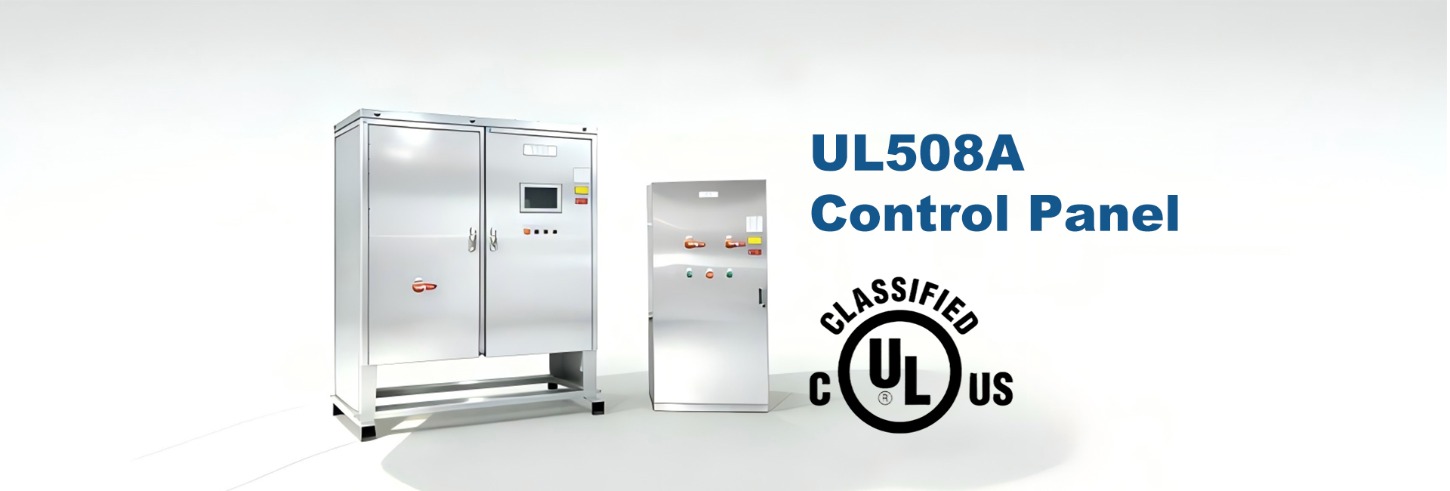
Navigating UL508A and UL891 is more than a regulatory hurdle—it's a discipline that, when mastered, enhances product quality, safety, and customer trust. The experience of firms like Shanghai Jisheng Energy Co., Ltd. illustrates that a proactive, systematic, and collaborative approach turns compliance from a cost center into a marker of engineering excellence. By adopting these practical strategies, electrical engineers can deliver superior, certifiable designs with greater predictability and efficiency.


 English
 中文简体
中文简体
 Español