2026-04-24
Every large facility runs on a power distribution backbone that most people never see. Behind the walls of hospitals, data centers, manufacturing plants, and commercial towers sit two categories of equipment that determine how electricity gets controlled, protected, and delivered: switchboards and switchgear. The terms are frequently used interchangeably — and that's a problem. Choosing the wrong one can mean undersized fault protection, a failed inspection, or, in the worst case, a catastrophic arc flash event.
This guide cuts through the confusion. Rather than simply listing definitions, it focuses on how these two devices differ in real-world performance, what standards govern them, and how to decide which one your project actually needs.
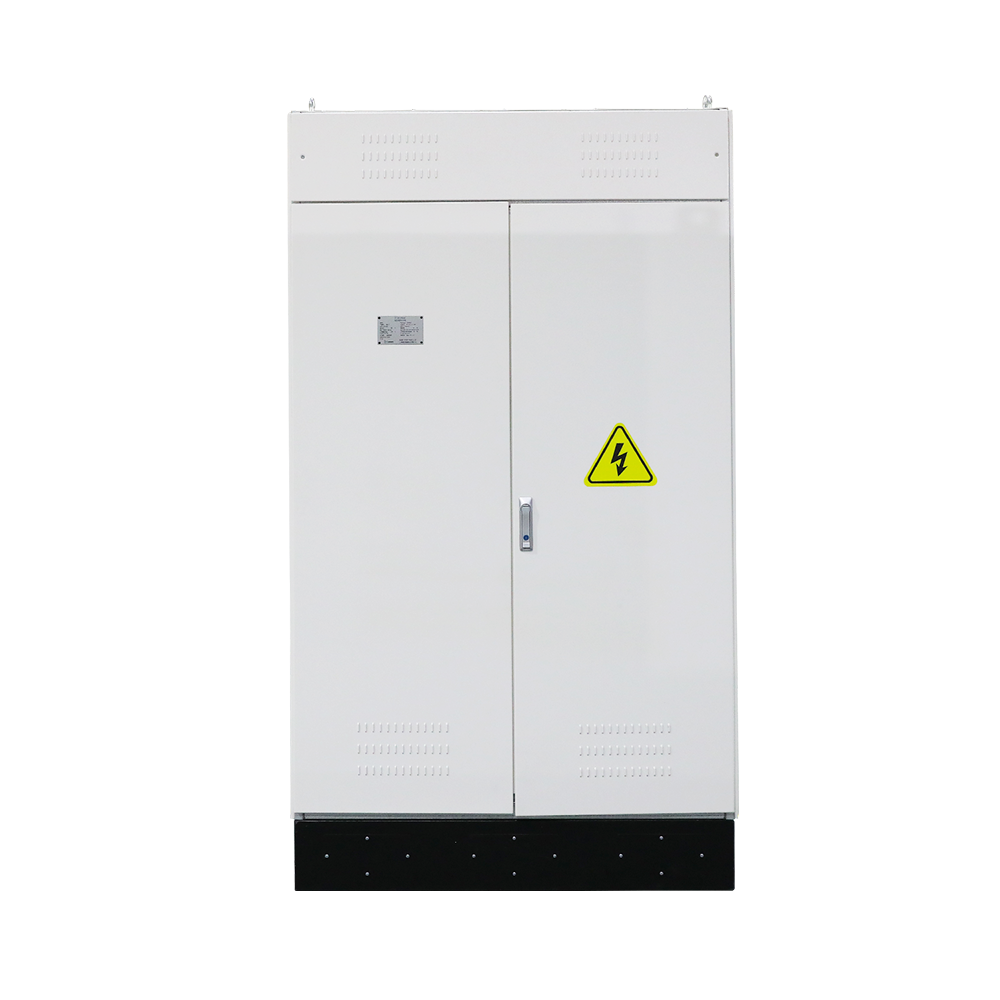
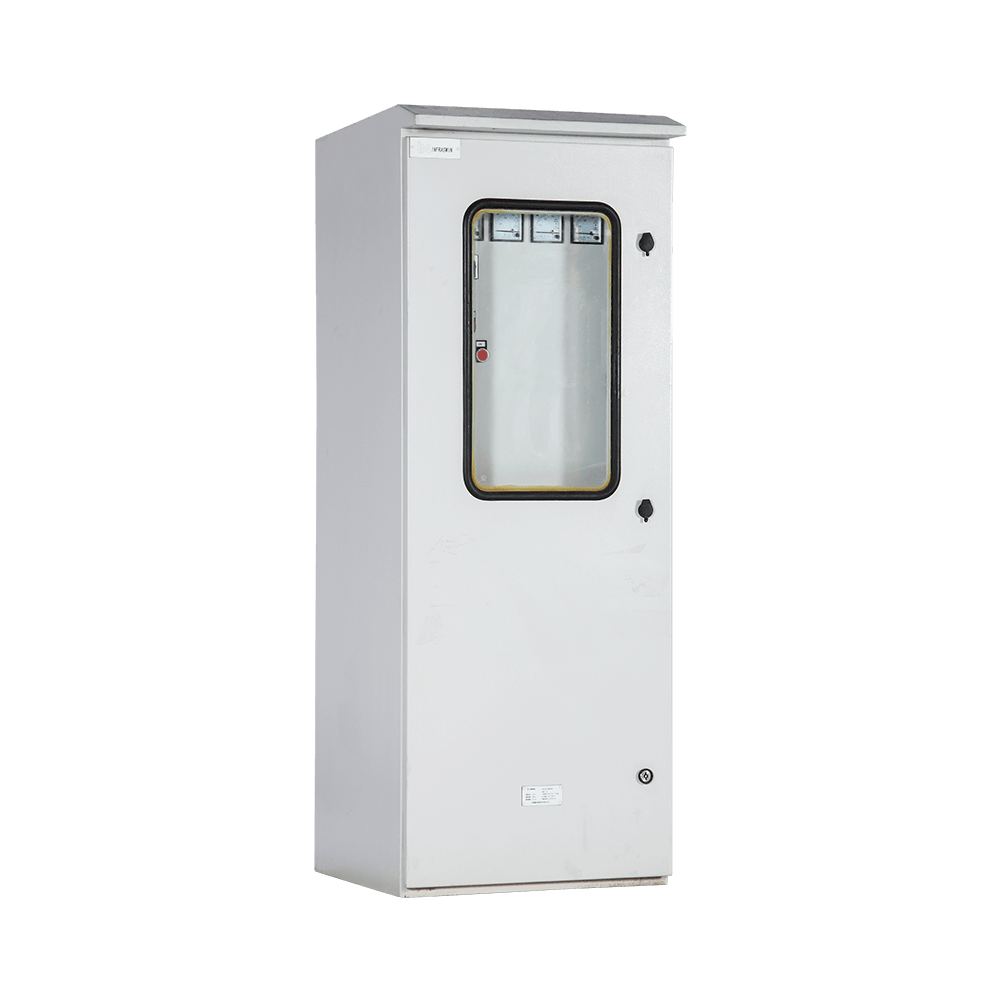
A switchboard is a floor-mounted assembly of panels, busbars, switches, and circuit breakers designed to receive incoming power from a source and distribute it across multiple downstream circuits. Think of it as the central hub that splits a facility's electricity into manageable branches. Switchboards are typically rated up to 600V and are sized from around 1,200A upward — making them a step above panelboards in capacity and a step below full switchgear in protection complexity.
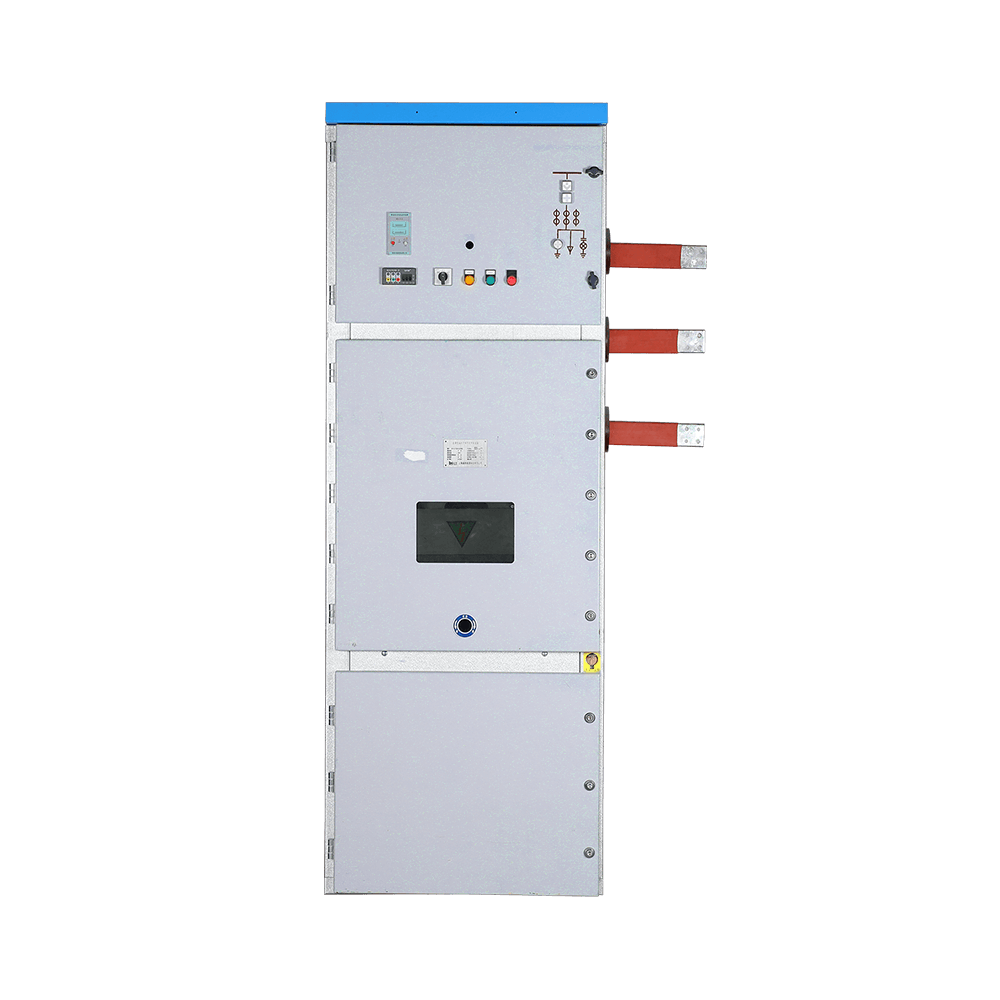
A switchgear assembly, by contrast, is a fully enclosed metal structure designed not just to distribute power, but to control, protect, and isolate it — across low, medium, and even high-voltage circuits. Switchgear can handle voltages ranging from 480V at the low end up to 350kV for medium-voltage and transmission-level systems. Its primary job is fault interruption: when a short circuit or overload occurs, switchgear responds with precision to clear the fault without cascading failures.
Both devices sit at the heart of any serious power distribution system. But they are engineered for different challenges, governed by different standards, and built with fundamentally different construction philosophies.
The distinctions between switchboards and switchgear run deeper than voltage ratings. Here is a direct comparison of the most critical parameters:
| Parameter | Switchboard | Switchgear |
|---|---|---|
| Voltage Range | Up to 600V (LV) | 480V LV up to 350kV MV/HV |
| Current Rating | 1,200A – 5,000A | Up to 6,000A |
| Fault Withstand Duration | 3–4 cycles | Up to 30 cycles |
| Circuit Breaker Type | Molded-case (MCCB) / Insulated-case (ICCB) | Draw-out power circuit breakers (PCB) |
| Internal Barriers | Not required | Required between compartments |
| Bus Bar Insulation | Non-insulated (typical) | Insulated busbars required |
| Applicable UL Standard | UL 891 | UL 1558 |
| Typical Applications | Commercial buildings, light industrial | Hospitals, data centers, heavy industrial, utilities |
| Relative Cost | Lower | Significantly higher |
The fault withstand duration is often the deciding factor in critical facilities. A switchboard that can hold up for only 3 cycles during a fault may allow the fault to propagate further before tripping — unacceptable in environments where power continuity is life-critical. Switchgear's 30-cycle withstand rating gives downstream protective devices time to operate selectively, minimizing the scope of any shutdown.
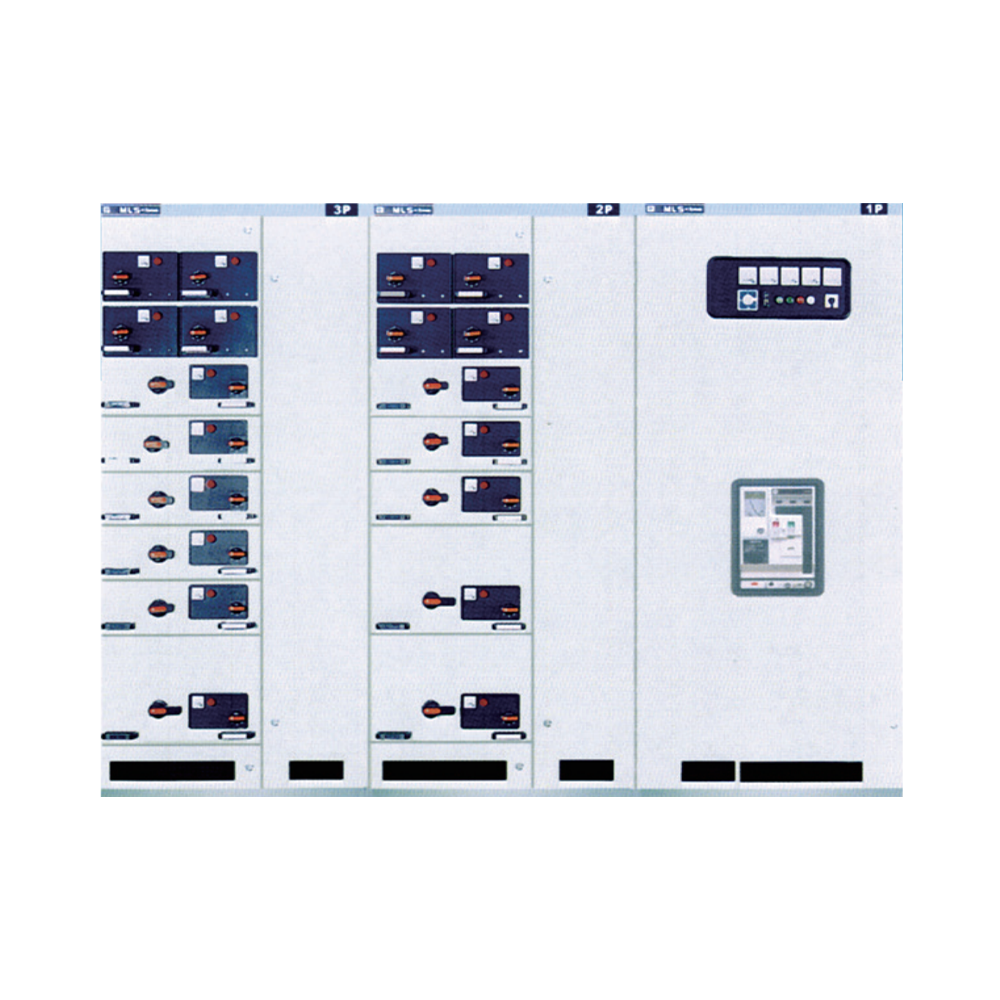
For projects requiring robust low-voltage distribution, our low-voltage switchgear products for commercial and industrial distribution provide certified solutions built to meet these performance demands.
Understanding the internal architecture of each device makes the performance differences tangible.
A switchboard's backbone is its busbar system — horizontal copper or aluminum conductors that carry incoming power and feed it to outgoing breakers. Each branch circuit connects to the bus through a molded-case or insulated-case circuit breaker, which trips rapidly (within 3 cycles) in a fault condition. The front and rear of the assembly are accessible for installation and servicing.
Switchboards also incorporate metering components — frequency gauges, synchroscopes, current transformers — that monitor power usage and allow operators to track load conditions across multiple sources. Surge protection devices (SPDs) are commonly integrated as well. The overall design prioritizes accessibility and cost-efficiency over maximum fault tolerance.
Correct grounding is a critical but often overlooked element in switchboard design. Different system configurations — TN, TT, and IT systems — require distinct grounding approaches that directly affect personnel safety and system reliability. For a technical breakdown, see our article on grounding protection systems for low-voltage switchgear.
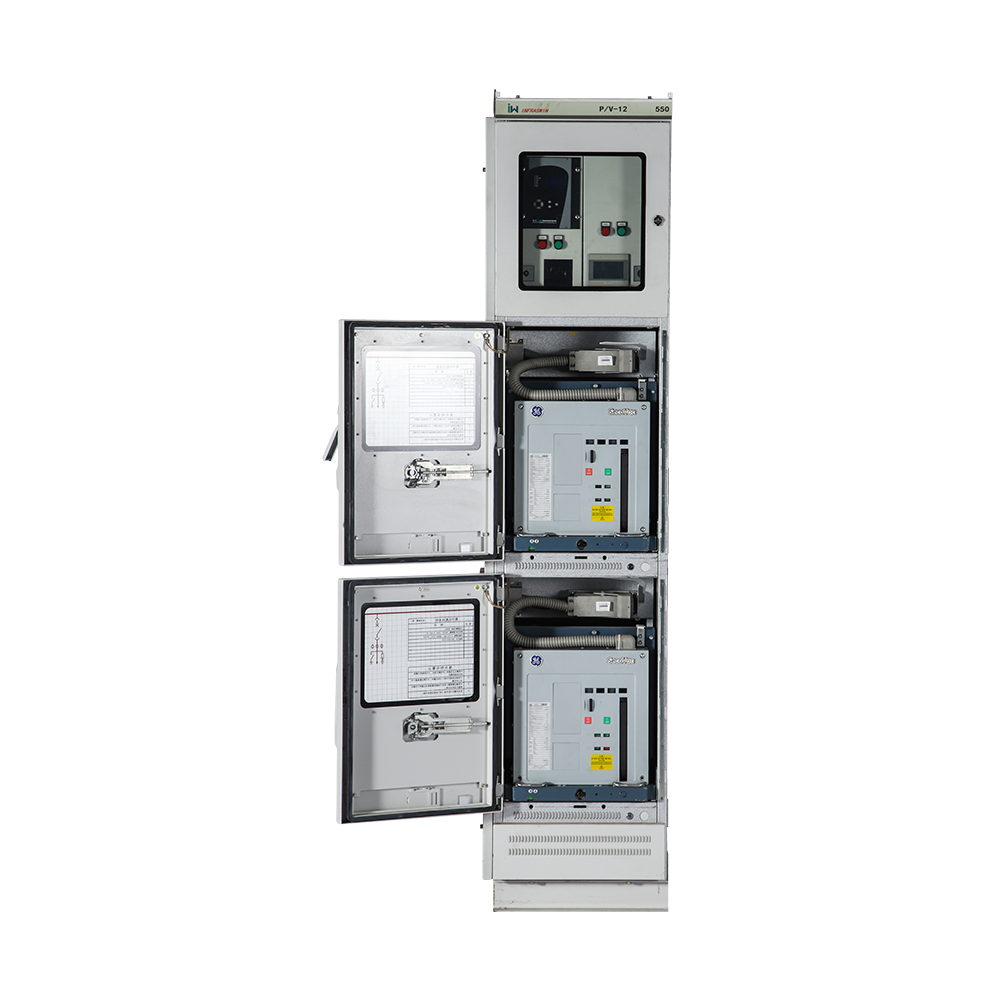
Switchgear takes a more compartmentalized approach. Each circuit breaker lives in its own individually sealed section, separated from adjacent breakers and from the main busbars by metal barriers. This compartmentalization is fundamental to arc flash containment: if an arc event occurs in one section, barriers prevent it from spreading to others.
The breakers themselves are draw-out units — they can be physically withdrawn from their compartments while the main bus remains energized. This means a failed breaker can be replaced or serviced without a full system shutdown, a critical feature in facilities where uptime is non-negotiable.
Switchgear also carries a more sophisticated protective device layer: protective relays continuously monitor current, voltage, and frequency, and trigger breaker operation when anomalies fall outside preset thresholds. Pair this with current transformers and control panels, and switchgear becomes an active guardian of the electrical system — not just a passive distributor.
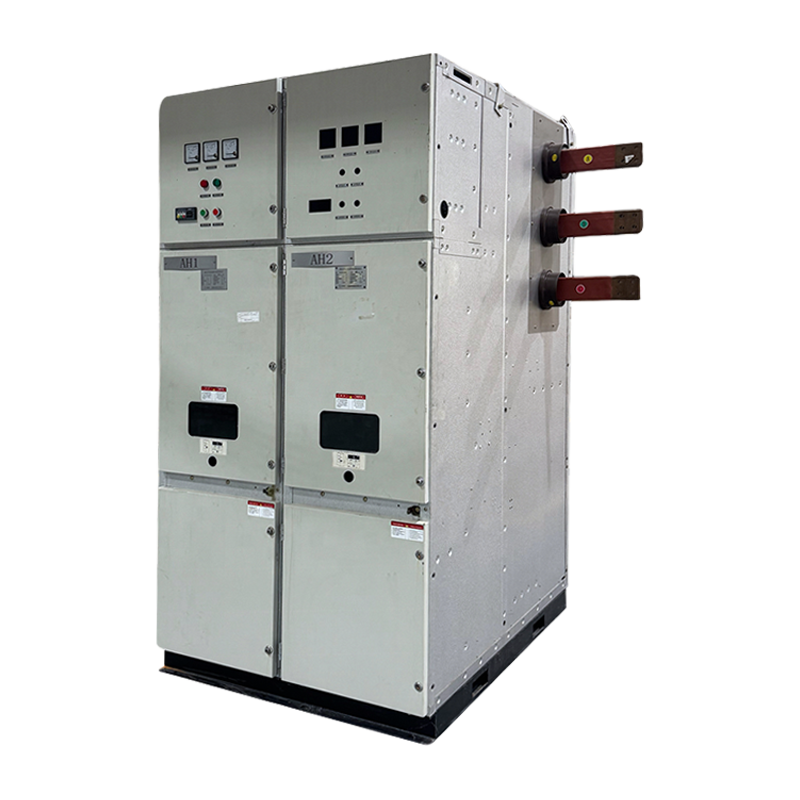
For high-voltage environments, our medium-voltage metal-enclosed switchgear solutions deliver the isolation and protection performance required by utilities, substations, and heavy industrial applications.
In North America, the choice between a switchboard and switchgear is ultimately anchored in two UL standards. These are not interchangeable certifications — they define distinct product categories with different construction requirements, testing protocols, and intended performance levels.
UL 891 governs dead-front switchboards rated at 1,000V or less (with most applications at 600V). "Dead-front" means no live parts are exposed on the front of the assembly during normal operation. The standard requires a minimum three-cycle short-circuit withstand test and specifies three production tests per assembly. It aligns with the National Electrical Code (NEC / ANSI NFPA 70) in the US and the Canadian Electrical Code Part I.
UL 891 allows the use of both UL 489 molded-case breakers (for feeders) and UL 1066 power circuit breakers (for mains), giving designers flexibility without imposing the cost burden of full switchgear construction. Internal barriers between breakers are not required, and busbars do not need to be insulated — both acceptable trade-offs for commercial and light industrial environments where fault levels are moderate.
UL 1558 applies to metal-enclosed, low-voltage power circuit breaker switchgear — equipment built for significantly more demanding fault scenarios. It mandates a minimum four-cycle testing protocol and a 30-cycle short-time withstand test, along with seven individual production tests per assembly. All breakers must be UL 1066-rated power circuit breakers. Internal compartmentalization and insulated busbars are required.
The result is an assembly that can absorb a severe fault without tripping the main breaker unnecessarily — protecting upstream continuity while downstream protective devices operate in sequence. This selective coordination capability is why UL 1558 switchgear is specified in hospitals, data centers, airports, and any facility where losing all power simultaneously is not an option.
Arc flash risk is also fundamentally different between the two standards. UL 1558's insulated busbars and compartmentalized design inherently reduce arc flash incident energy. UL 891 does not mandate these protections — meaning arc flash studies and appropriate PPE requirements per NFPA 70E electrical safety in the workplace standards become especially important in switchboard installations.
For a deeper look at how arc fault protection principles apply specifically to switchgear design and compliance, see our technical article on arc fault protection and UL 891 compliance in switchgear design.
The right choice depends on three variables: the criticality of power continuity, the available fault current at the service entrance, and the total cost of ownership over the equipment lifecycle. Here is how those factors translate into real-world decisions:
A useful proxy: if the electrical room is the last line of defense before a life-safety system — emergency lighting, fire pumps, surgical suites — specify switchgear. If it's the distribution backbone for a multi-tenant office building or warehouse, a properly rated switchboard will serve the application well at a fraction of the cost.
Modern facilities increasingly demand more than passive switching — they need real-time monitoring, fault prediction, and remote control integration. Our article on intelligent low-voltage switchgear for modern industrial systems explores how IoT integration and smart protection are reshaping how this equipment is specified and operated.
Infraswin Energy designs and manufactures switchgear and switchboard assemblies built for the full spectrum of industrial and commercial power distribution requirements. Our low-voltage switchgear products for commercial and industrial distribution span distribution boxes, soft-start panels, and configurable switchgear lineups — all engineered for installation reliability and long-term operational stability.
For projects operating in the medium-voltage range, our medium-voltage metal-enclosed switchgear solutions include removable AC metal-enclosed designs and motor control equipment rated for demanding industrial environments, from petrochemical facilities to renewable energy substations.
Every assembly is built with a focus on three fundamentals: protection performance that meets or exceeds applicable standards, construction quality that reduces lifecycle maintenance costs, and design flexibility to accommodate the specific load profiles and compliance requirements of each project. Whether your application calls for a UL 891 switchboard or a fully compartmentalized UL 1558 switchgear lineup, getting the specification right from day one is the single most important factor in system reliability. Our engineering team is available to assist with specification review, fault current analysis, and product selection for your specific site conditions.
Recommended Products

Your one-stop supplier for energy management solutions.
Products
Contact Us
720 Yuandong Road, Fengxian District, Shanghai, China
+86-19101772387
+86-19101772387
info@infraswin.com

 English
 中文简体
中文简体
 Español