2026-03-25
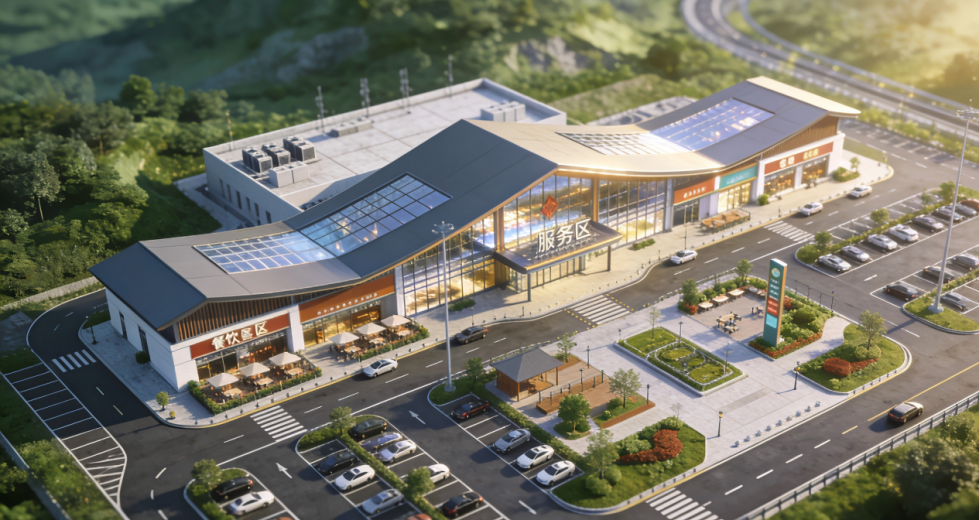
Against the backdrop of green and low-carbon transformation becoming a crucial component of national strategy, highway service areas, as key nodes in the road transportation network, are drawing increasing attention regarding their energy consumption and pollutant emissions. For a long time, the environmental governance system in service areas has exhibited structural characteristics of "decentralization, fragmentation, and end-of-pipe treatment," manifested as follows:
How to address these challenges? The tailored solution proposed by Infraswin Energy offers a viable pathway.
Infraswin Energy redefines "waste" as a "resource," upgrading "end-of-pipe treatment" to "resource circulation," and has launched a synergistic treatment solution combining "Food Waste Resource Utilization Treatment + GBR High-Efficiency Bioreactor."
Through hydrolysis and acidification technology, food waste is converted into a high-quality carbon source, replacing externally purchased commercial carbon sources, achieving "treating waste with waste and resource circulation." This not only solves the challenge of food waste treatment but also provides a stable, low-cost carbon source for the wastewater treatment system, truly unifying cost reduction, efficiency enhancement, and resource circulation.
The GBR High-Efficiency Bioreactor is a core piece of equipment by Infraswin Energy's professional water treatment team. Relying on dual biochemical (GBR+GBF) treatment technology, it provides a solid guarantee for wastewater treatment and reuse in highway service areas. Compared to the traditional activated sludge process, this equipment achieves a comprehensive upgrade, featuring multiple advantages such as fully automatic operation, unattended operation, low energy consumption, no aeration blower, low noise, no odor, and low sludge yield.
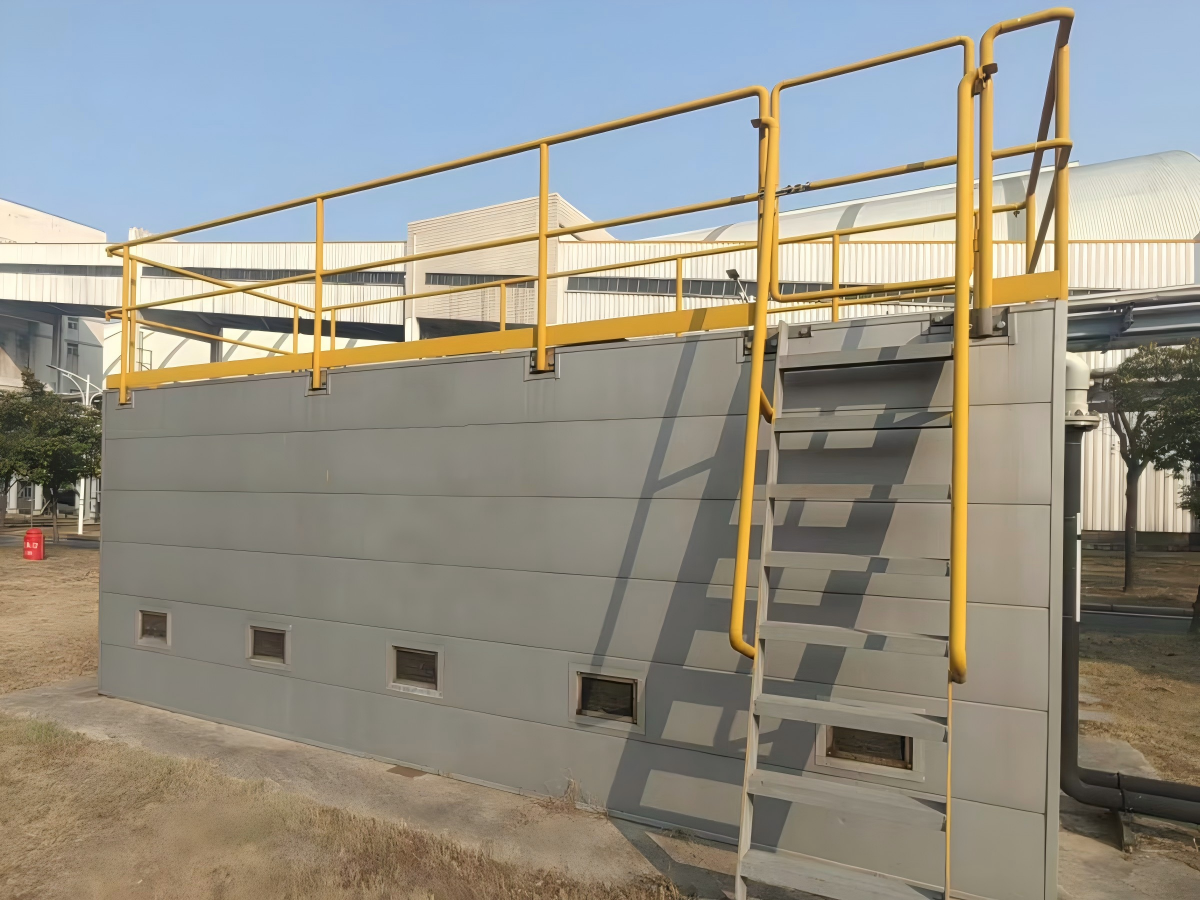
Infraswin Energy's solution not only optimizes the environmental governance technology for service areas but also explores a new path for the green and low-carbon transformation of transportation infrastructure:
Resource Circulation Closure: Transforms food waste from a "burden" into a "resource," achieving synergistic treatment of solid waste and wastewater
Self-Sufficient Carbon Source Model: Reduces reliance on external commercial carbon sources, lowering supply chain risks and operational costs
Intelligent Operation & Maintenance System: Fully automatic operation and remote monitoring, adapting to the trend of decentralized and unattended management in service areas
Strong Replicability and Scalability: Modular design and standardized configuration, suitable for service areas of different scales and types
Infraswin Energy, with its core focus on food waste resource utilization synergized with GBR treatment, promotes a shift in service area environmental governance from "end-of-pipe treatment" to "resource circulation," and from "energy consumption nodes" to "low-carbon nodes."
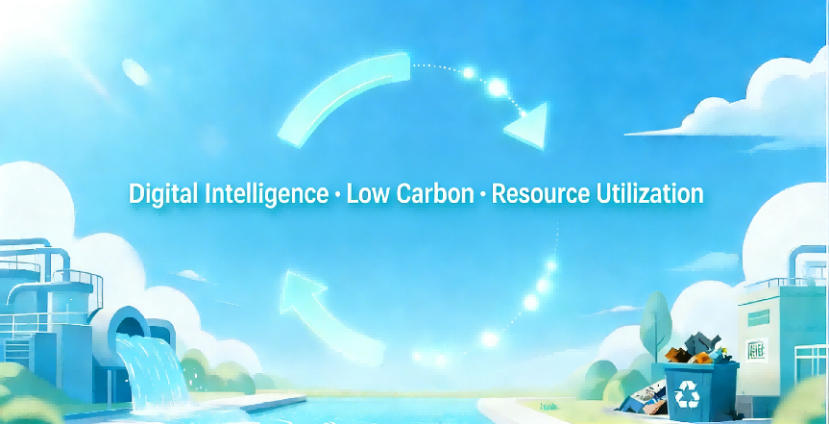
In the future, Infraswin Energy will continue to pursue the development direction of "digital intelligence, low-carbon, and resource utilization," deeply cultivating the fields of water treatment and solid waste resource utilization. It will persistently innovate technologies and solutions, providing customized environmental upgrade solutions for highway service areas, industrial parks, urban communities, and more scenarios. The goal is to make resource circulation the norm, integrate green and low-carbon practices into development, and contribute more technological strength to the construction of an ecological civilization.
Recommended Products

Your one-stop supplier for energy management solutions.
Products
Contact Us
720 Yuandong Road, Fengxian District, Shanghai, China
+86-19101772387
+86-19101772387
info@infraswin.com

 English
 中文简体
中文简体
 Español