2026-03-18
Petrochemical facilities operate in some of the most electrically demanding and hazardous environments on the planet. Volatile gases, high-pressure processes, continuous 24/7 operation, and massive power loads all converge in a single site. In this context, a failure in your power distribution system is not just a production outage — it is a safety incident waiting to happen.
Unlike commercial buildings or light manufacturing, petrochemical plants require distribution equipment that meets strict explosion-proof classifications, arc flash mitigation standards, and international certifications. Choosing the wrong switchgear or control panel — or working with a manufacturer that doesn't understand these requirements — exposes your facility to regulatory fines, equipment damage, and worst of all, risk to human life.
This guide covers the non-negotiable safety standards for power distribution in petrochemical environments, the types of equipment involved, and how to evaluate a supplier capable of meeting these demands.
Any electrical equipment deployed in or near a petrochemical process area must comply with a combination of international and regional standards. Below are the most critical frameworks engineers and procurement teams must understand.
IEC 60079 is the global benchmark for electrical equipment used in explosive atmospheres. It classifies zones based on the likelihood of flammable gas or dust being present (Zone 0, 1, 2 for gases; Zone 20, 21, 22 for dust) and defines the permitted protection concepts — from intrinsic safety (Ex i) and flameproof enclosures (Ex d) to pressurization (Ex p). All switchgear and control panels installed in hazardous areas of a petrochemical plant must carry an Ex certification aligned to the zone classification.
IEC 61439 replaces the older IEC 60439 and sets mandatory requirements for the design, construction, and verification of low-voltage switchgear and control gear assemblies. For petrochemical applications, the key requirements include verified short-circuit withstand ratings, temperature rise limits, and clearance/creepage distances appropriate for the installation environment.
Medium and high-voltage switchgear in petrochemical substations falls under the IEC 62271 series. This covers metal-enclosed switchgear, circuit breakers, and disconnectors, with specific requirements for rated voltage, dielectric strength, and switching performance. Plants with on-site power generation or large transformer substations must ensure their MV switchgear fully complies with this standard.
Petrochemical environments expose electrical enclosures to dust, moisture, chemical splashes, and high-pressure washdowns. A minimum IP54 rating is typically required for outdoor or process-area installations, while IP65 or higher is standard for particularly harsh zones. The IP rating of your distribution enclosure is not cosmetic — it directly determines long-term reliability and maintenance intervals.
For projects targeting the North American market or complying with US client specifications, NFPA 70E establishes the requirements for electrical safety in the workplace, including arc flash hazard analysis, incident energy calculations, and personal protective equipment (PPE) boundaries. Switchgear with arc flash reduction maintenance settings (ARMS) and integrated arc flash detection relays significantly reduces risk during live maintenance operations.
A complete power distribution architecture for a petrochemical plant typically spans three voltage levels, each with its own equipment requirements and safety considerations.
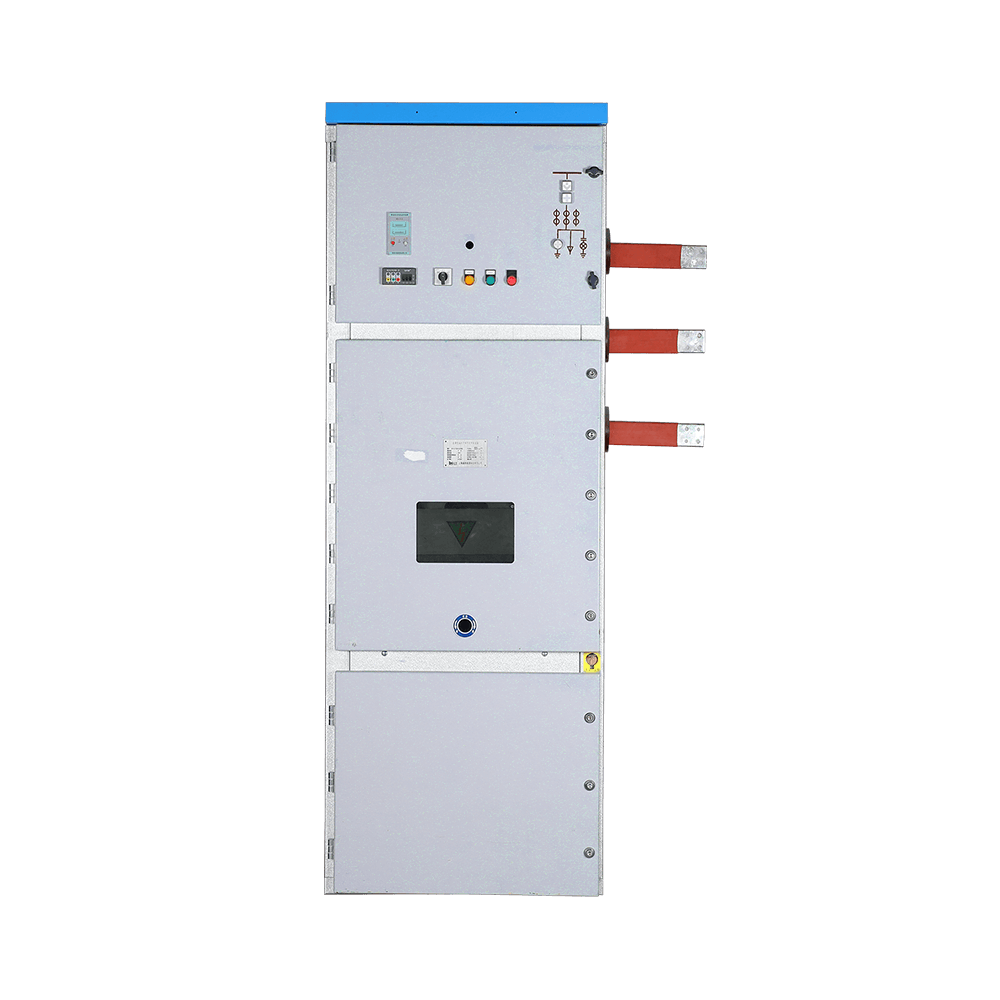
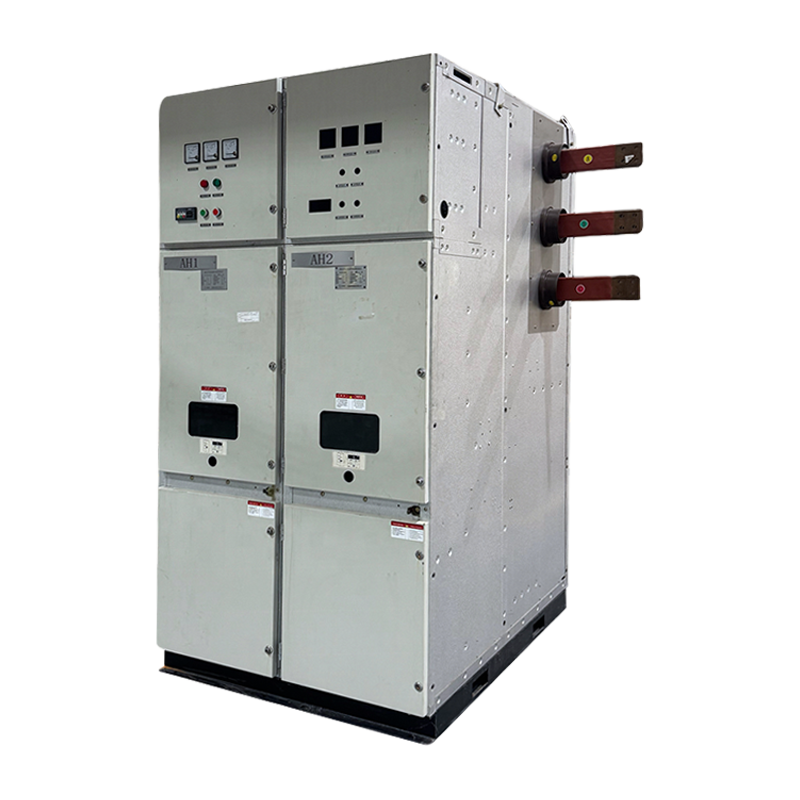
The plant substation receives power at medium voltage and distributes it to step-down transformers and large motor loads — compressors, pumps, and reactors that form the backbone of petrochemical processing. Metal-clad, metal-enclosed switchgear with vacuum circuit breakers is the industry standard here. Key selection criteria include:
Infraswin's medium voltage switchgear lineup — including the P/V-12 AC Clad Metal-enclosed Removable Switchgear — is designed precisely for industrial environments where operational continuity and personnel safety cannot be compromised.
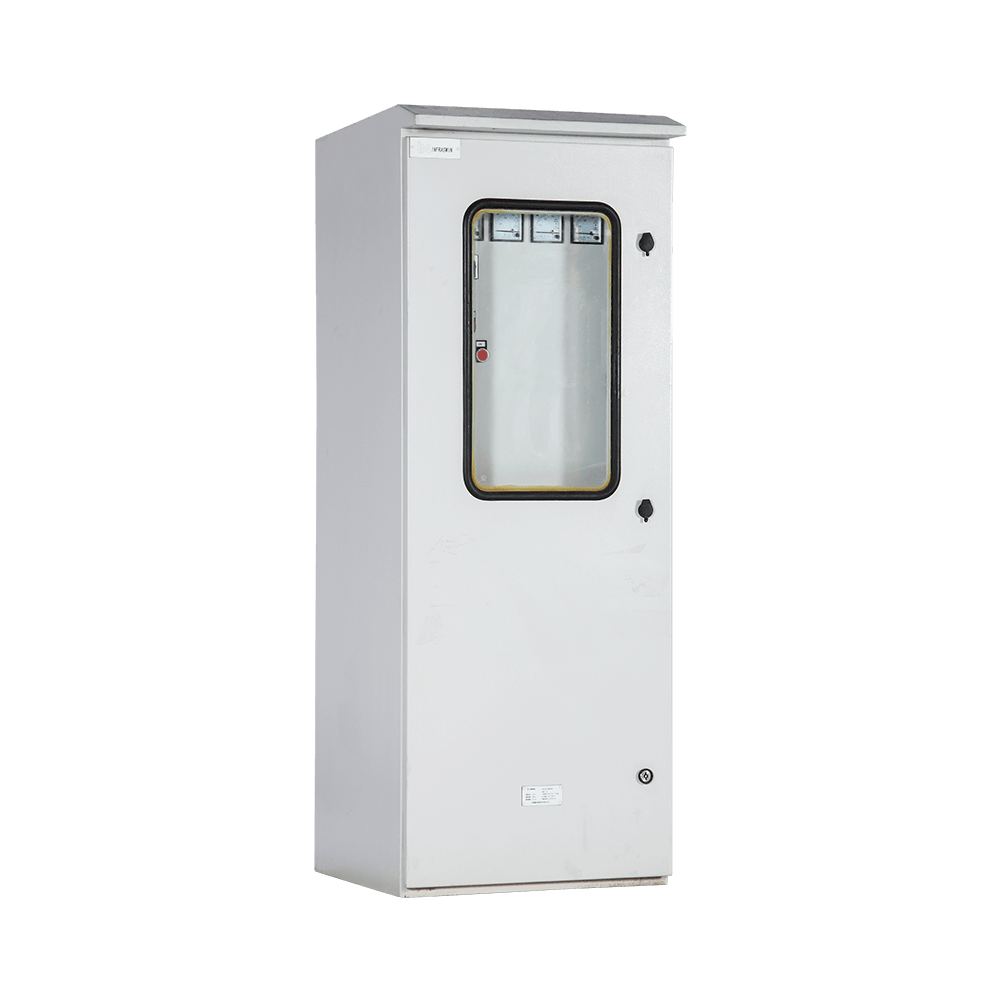
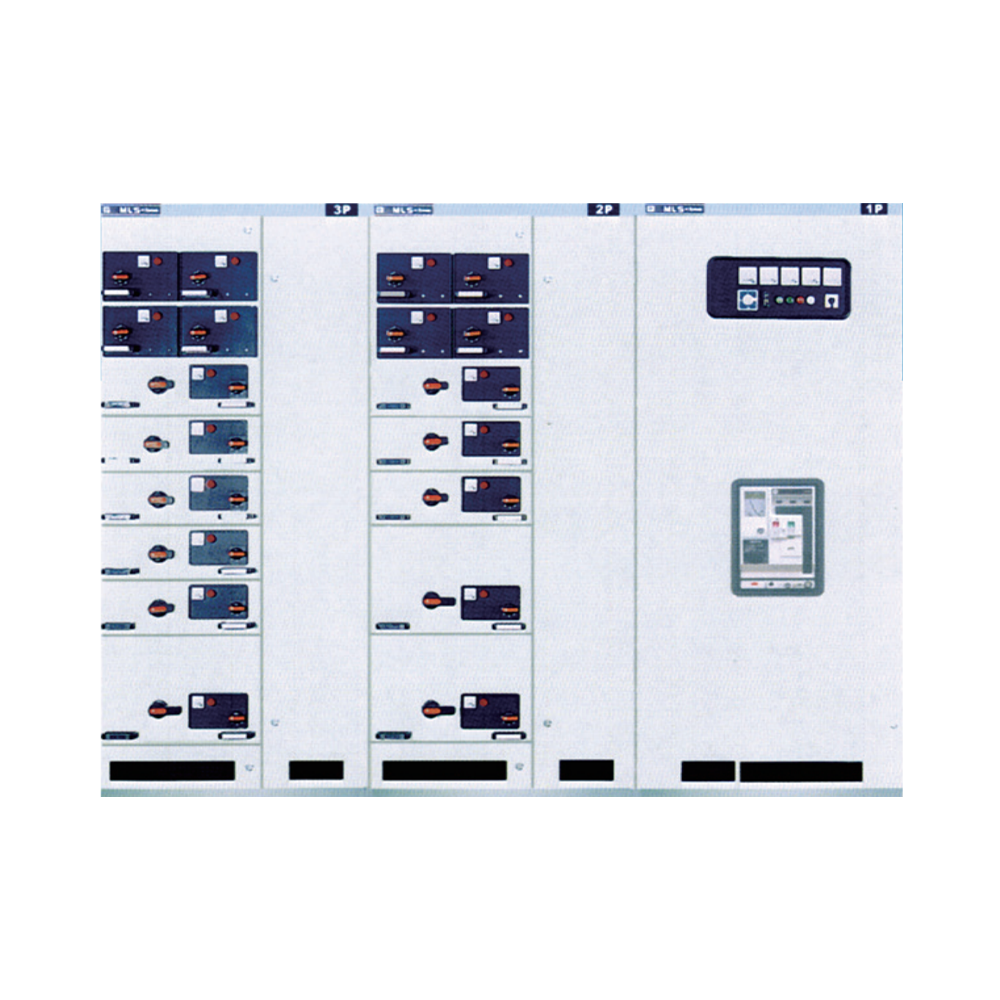
After transformation, power is distributed at low voltage to motors, instrumentation, lighting, and auxiliary systems. Low voltage switchgear assemblies must handle high fault currents while remaining compact enough to fit in motor control centers (MCCs) and field distribution rooms. Critical features include:
Process automation in petrochemical plants relies on PLC control panels and VFD panels to manage motor speeds, valve actuators, and process interlocks. These panels must be designed for the specific process logic of your plant, with fail-safe logic, redundant I/O, and communication interfaces (Profibus, Modbus, Ethernet/IP) compatible with your DCS or SCADA system. Poor panel design in this layer is a common source of process upsets and safety shutdowns.
Based on project experience across China's petrochemical sector, several recurring procurement mistakes lead to delayed commissioning, failed audits, or premature equipment failures:
When evaluating manufacturers for a petrochemical project, the qualification checklist should go beyond product datasheets. Here is what experienced EPC contractors and plant owners verify before committing to a supplier:
Shanghai Infraswin Energy Co., Ltd. — a NEEQ-listed manufacturer (stock code 871504) with over 3,000 completed project cases and partnerships with ABB, Siemens, and Rockwell — has supplied power distribution and control systems to petrochemical clients across China. Our engineering team supports the full project lifecycle from specification review and custom design through factory acceptance testing and on-site commissioning.
Explore our petrochemical industry project cases to see how we have addressed the specific challenges of hazardous-area power distribution in real operating plants.
Every petrochemical plant has a unique power architecture, hazardous zone layout, and process control philosophy. There is no one-size-fits-all distribution solution. The most effective starting point is a technical conversation with an engineer who understands both the electrical standards and the operational realities of your industry.
Share your project specifications with our team — including your site's hazardous zone classification, voltage levels, load list, and applicable standards — and we will provide a preliminary equipment recommendation and lead time estimate at no cost. Whether you are at the FEED stage or approaching detailed engineering, early supplier engagement consistently reduces specification errors and procurement delays.
Contact Infraswin Energy today to get started.
Recommended Products

Your one-stop supplier for energy management solutions.
Products
Contact Us
720 Yuandong Road, Fengxian District, Shanghai, China
+86-19101772387
+86-19101772387
info@infraswin.com

 English
 中文简体
中文简体
 Español