2026-04-10
Power control electricals are the devices and methods used to switch, regulate, protect, and distribute electrical power safely and efficiently. In practical terms, they make sure motors start correctly, circuits do not overload, voltage remains usable, and equipment receives the right amount of power at the right time.
For homes, workshops, and industrial systems alike, the core objective is simple: stable operation, lower risk of damage, and better energy performance. A well-designed power control system can reduce downtime, extend equipment life, and improve electrical safety by preventing overheating, short circuits, nuisance tripping, and unstable loads.
That is why power control electricals usually combine control devices such as switches, relays, contactors, drives, and timers with protective devices such as circuit breakers, fuses, overload relays, and surge protection. Together, these parts form a working system rather than a loose collection of components.
The term covers more than one product category. It generally refers to the electrical hardware that manages how power enters, moves through, and is interrupted within a circuit. In many installations, these devices work continuously in the background to balance safety and performance.
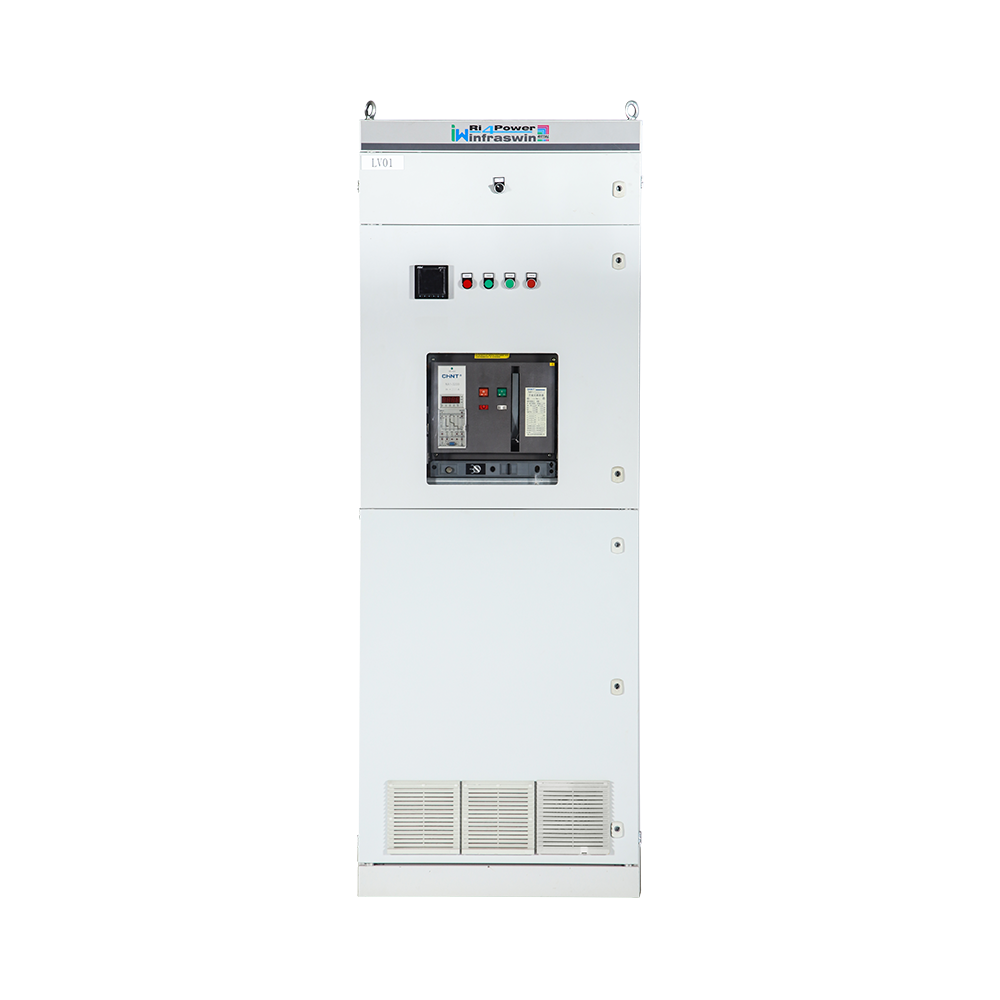
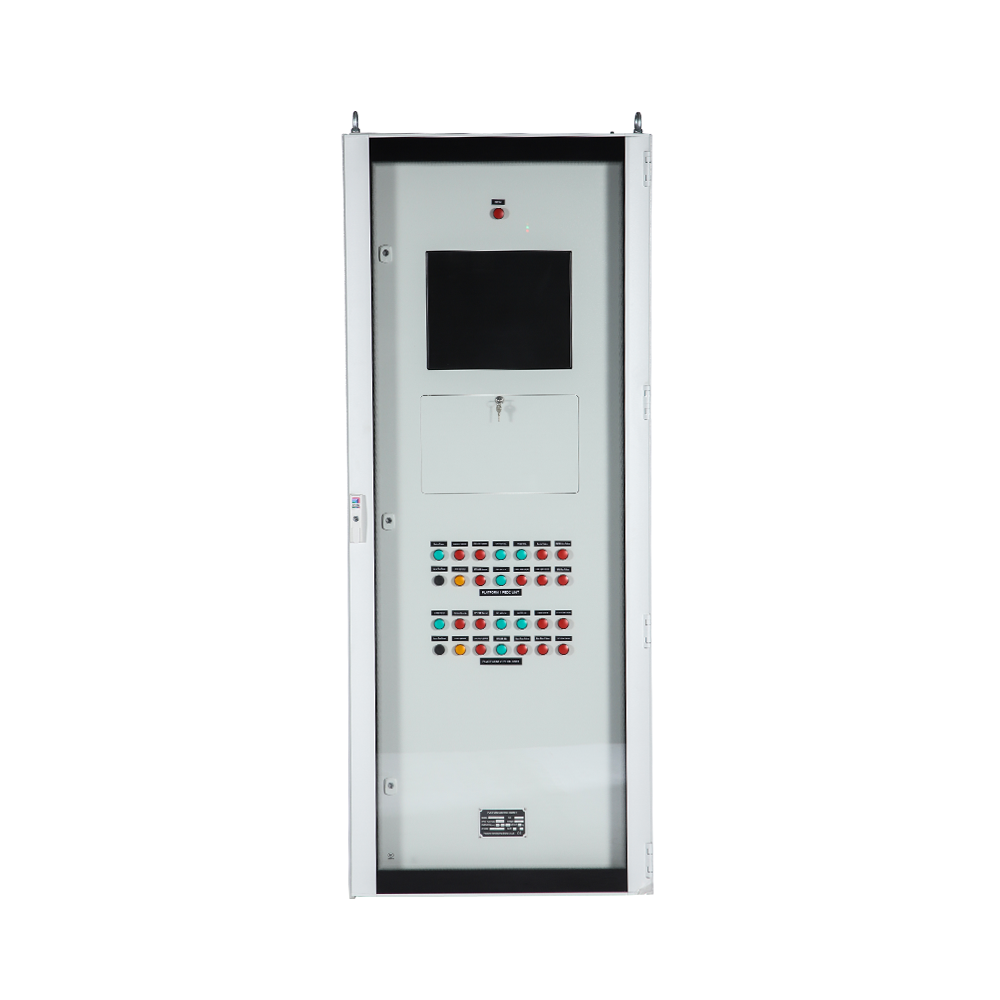
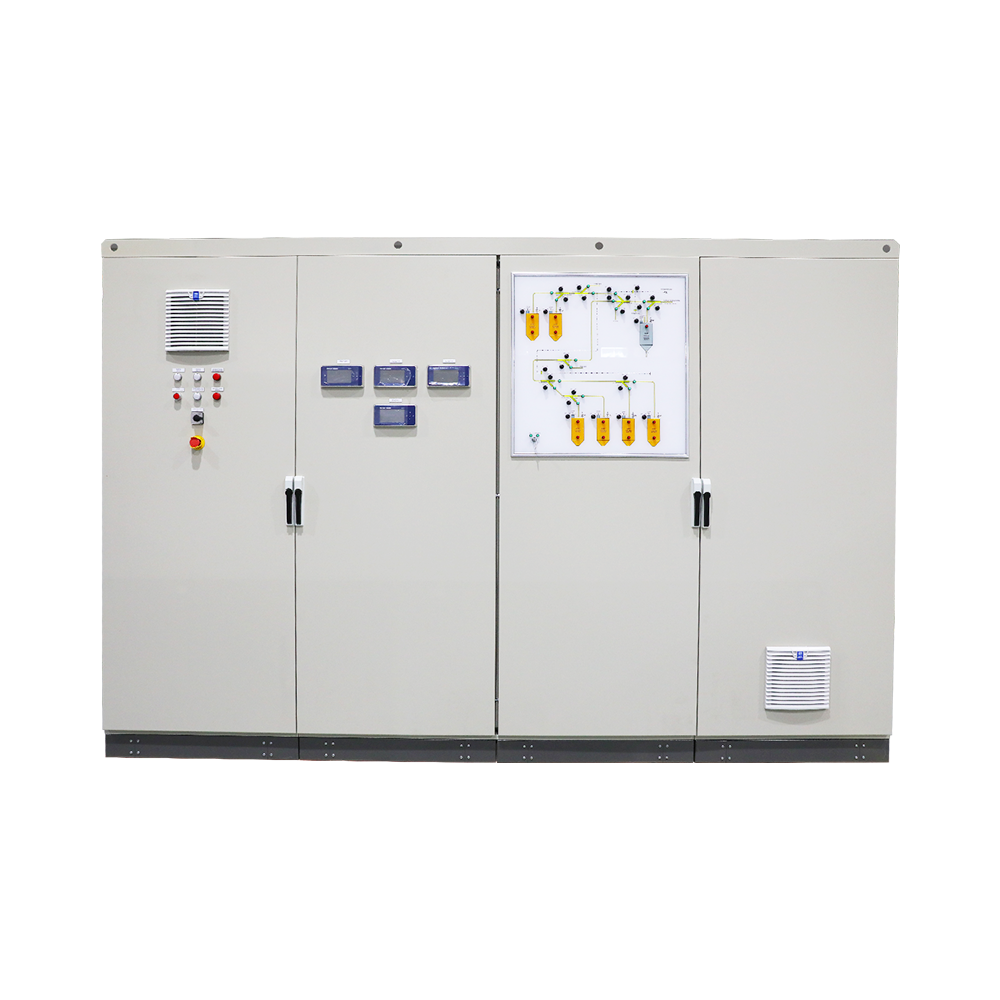
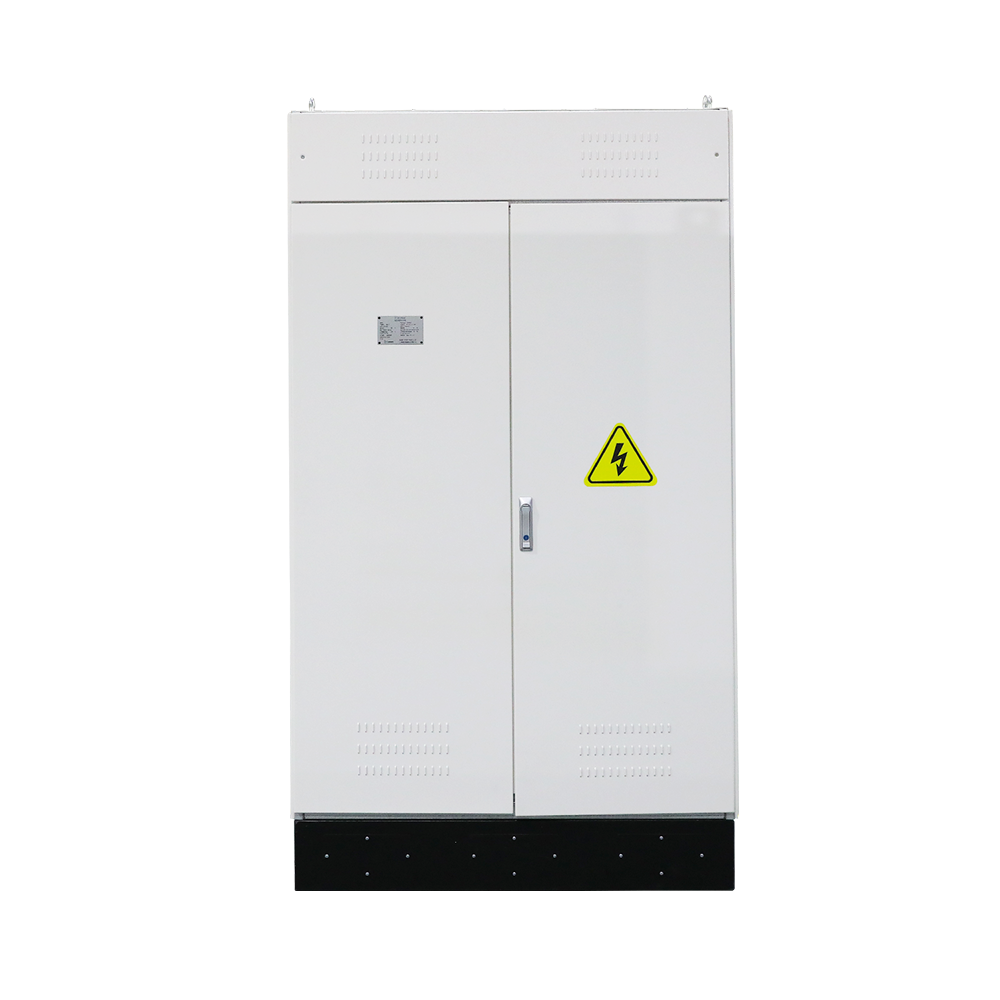
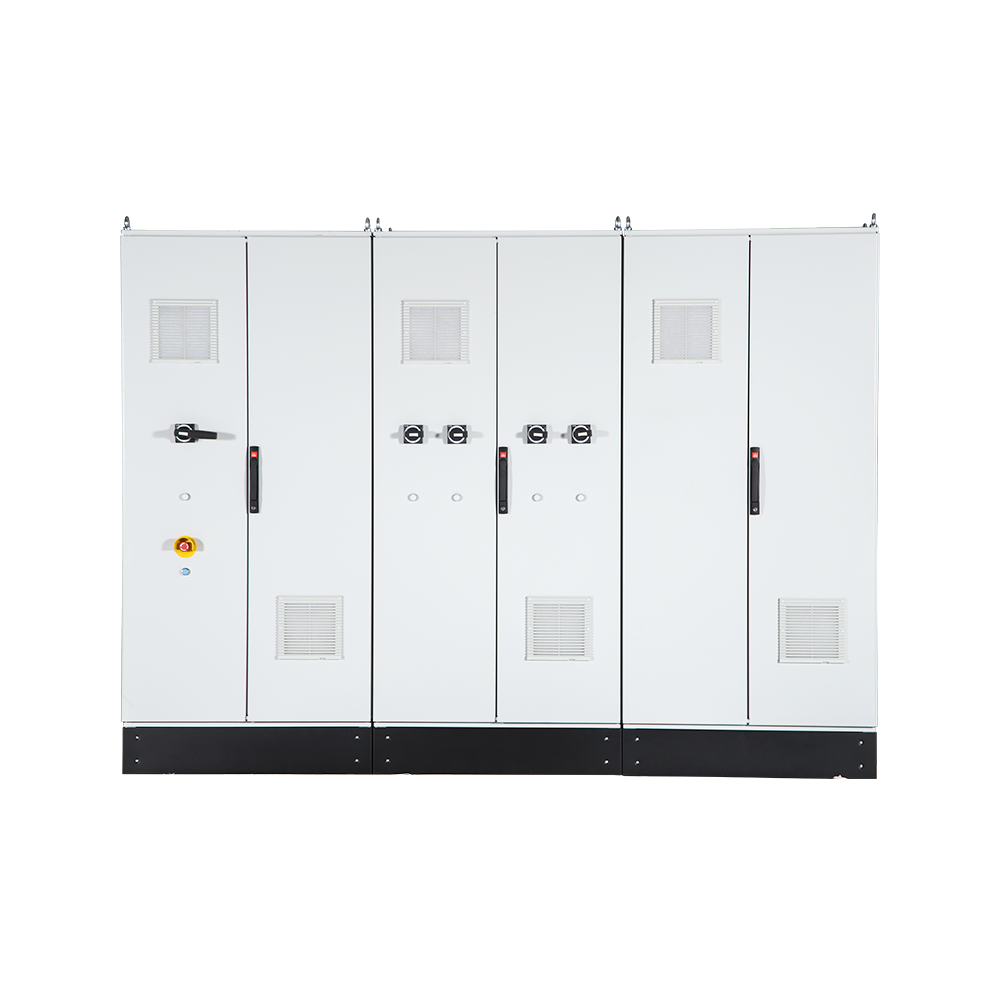
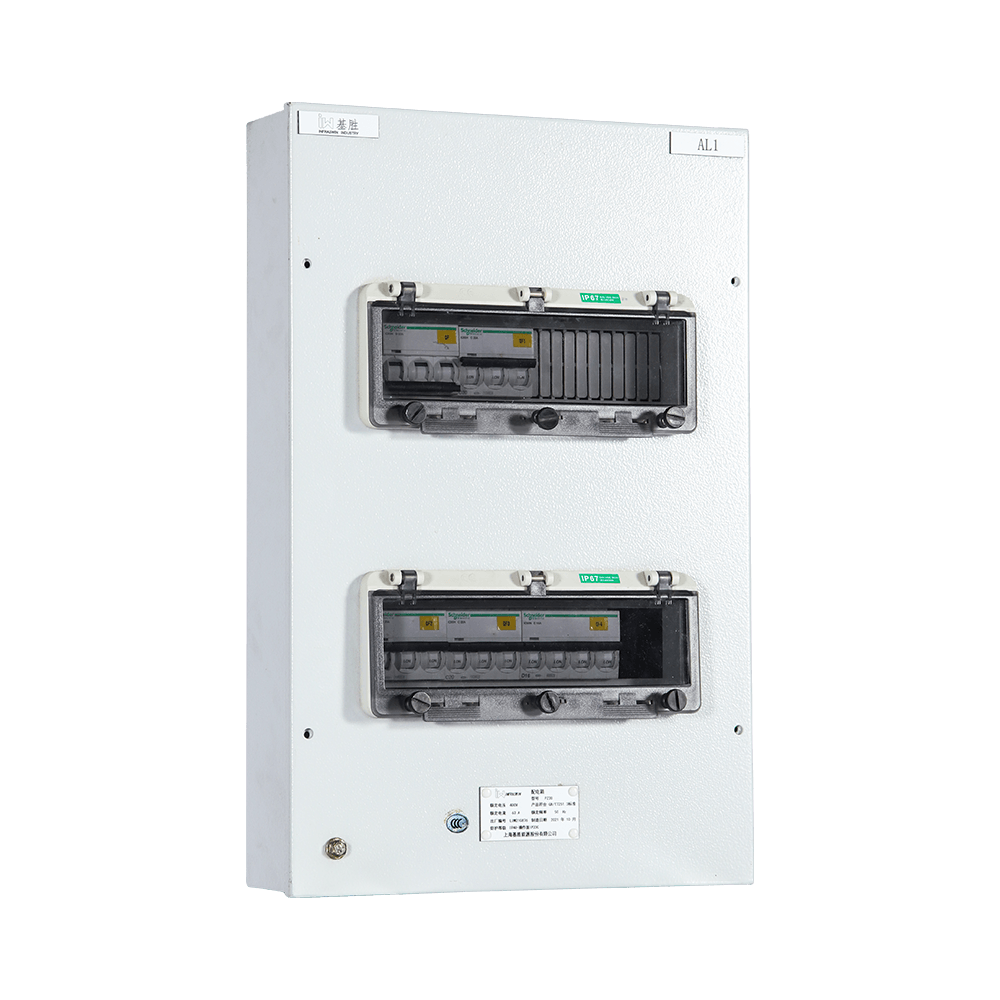
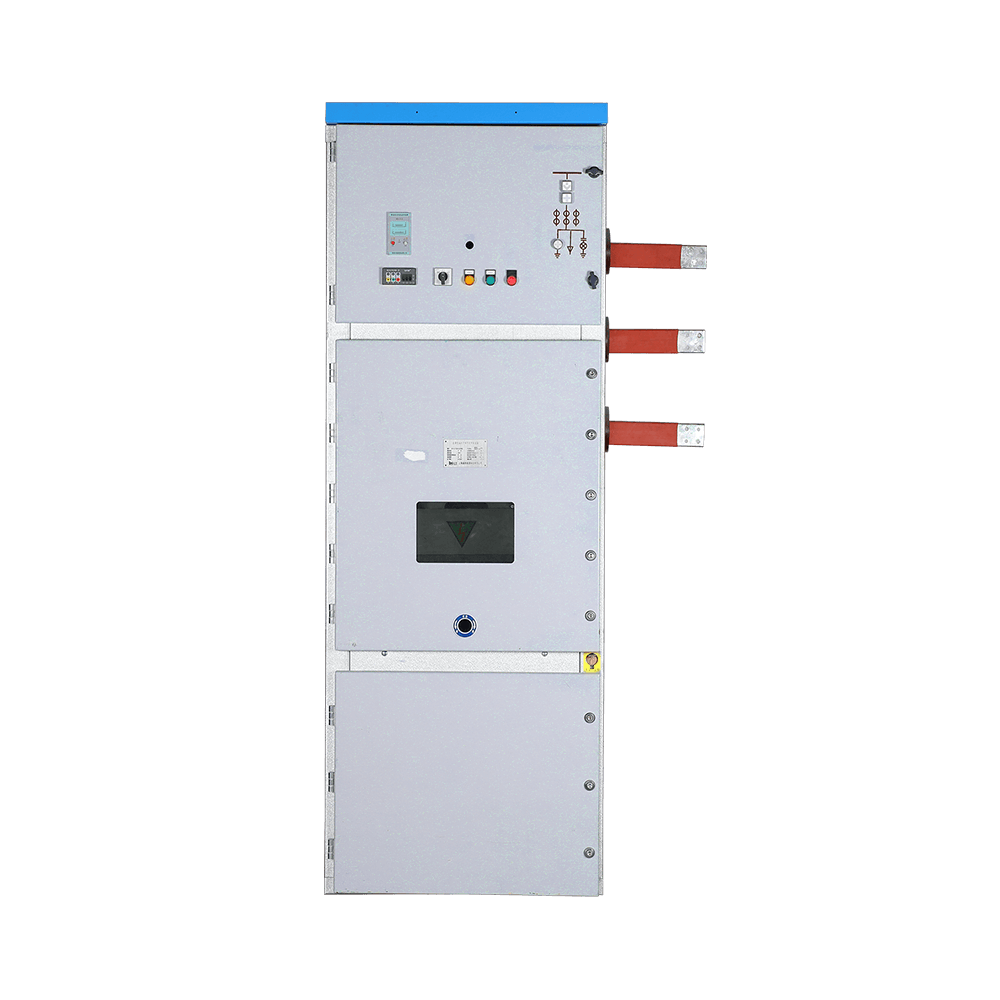
A small control panel may include only a breaker, a contactor, and an overload relay. A larger setup may include metering, soft starters, variable speed control, surge protection, phase monitoring, and automatic transfer arrangements. The size changes, but the principle remains the same: control power without compromising safety.
Understanding the main components helps explain how power control electricals function in real installations. Each part solves a specific problem, whether that is switching a heavy motor load or protecting cable insulation from excess heat.
| Component | Primary function | Typical application |
|---|---|---|
| Circuit breaker | Interrupts overcurrent and short-circuit faults | Main incomer, branch protection |
| Fuse | Fast fault clearing for sensitive circuits | Control circuits, semiconductor protection |
| Contactor | Electrically switches high-current loads | Motors, pumps, heaters, lighting banks |
| Overload relay | Protects motors from sustained overcurrent | Motor starter assemblies |
| Relay | Logic switching and signal isolation | Automation and interlocking |
| Soft starter | Reduces starting current and torque shock | Conveyors, pumps, compressors |
| Variable speed drive | Controls motor speed and energy use | Fans, pumps, process lines |
| Surge protection device | Limits transient voltage spikes | Panels with electronics or long cable runs |
In a motor-driven system, a contactor might handle the switching, an overload relay might protect the motor windings, and a breaker might isolate major faults. In a speed-controlled application, a drive may also reduce energy use because motor power often falls sharply when speed is lowered on variable-torque loads such as fans and pumps.
A power control circuit usually has two layers: the power circuit and the control circuit. The power circuit carries the main load current. The control circuit sends the commands that tell equipment when to energize, de-energize, delay, reverse, or shut down.
In a basic motor starter, pressing a start button energizes the contactor coil. The contactor closes, and the motor receives full supply voltage. If the motor draws too much current for too long, the overload relay opens the control circuit and drops out the contactor. This sequence is simple, but it addresses three essential needs: switching, holding, and protection.
A large motor can draw 5 to 8 times its full-load current at startup if started directly across the line. That inrush can cause voltage dips, mechanical stress, and heat buildup. A soft starter or variable speed drive reduces the starting current and smooths acceleration, which is especially useful on pumps, blowers, and conveyors.
If a short circuit occurs, the system must disconnect rapidly. Breakers and fuses are chosen based on fault level, cable size, and equipment tolerance. In a coordinated design, the protective device nearest the fault clears first so the rest of the system can keep running. This is one of the main reasons proper selection matters as much as installation.
Power control electricals are used wherever electrical loads need to be managed precisely or safely. The specific devices vary by environment, but the engineering goals remain consistent.
Consider a pump station that runs multiple motors. Without proper power control electricals, all pumps may start simultaneously, creating a severe current spike. With staged control, time delays, and motor protection, the startup sequence becomes smoother and the supply system experiences less stress. In many installations, that translates to fewer trips, lower maintenance, and more predictable operation.
Choosing power control electricals only by voltage or current rating is not enough. A suitable device must match the real operating conditions of the load, the installation environment, and the protection strategy of the whole system.
If the load cycles frequently, contact life becomes important. If the application is energy-sensitive, variable speed control may justify higher initial cost. If uptime is critical, selectivity and remote monitoring deserve greater attention. In other words, the best choice is not always the cheapest one upfront; it is the one that produces safe control with the lowest total operating risk.
Power control electricals are directly tied to electrical safety. Poor coordination or undersized components can lead to overheating, insulation breakdown, equipment damage, or arc-related hazards. Safe performance depends on both component quality and correct engineering practice.
Even a small resistance increase at a terminal can create significant heat when current is high. For example, a poor connection carrying heavy load current can develop hot spots that damage insulation and shorten component life. This is why thermal inspection, torque checks, and routine testing are common in critical systems.
Power control electricals are not only about turning equipment on and off. They also influence how efficiently power is used. Better control usually means less wasted energy, fewer harsh starts, and lower stress on electrical and mechanical parts.
A common example is a fan or centrifugal pump. When its speed is reduced, energy use can fall dramatically because variable-torque loads respond strongly to speed reduction. That makes controlled speed operation one of the most practical efficiency tools in many electrical systems.
Even well-designed power control electricals can fail if conditions change or maintenance is ignored. The most useful troubleshooting approach is to connect the symptom to the likely control, protection, or supply problem behind it.
| Symptom | Likely cause | Practical check |
|---|---|---|
| Frequent breaker trips | Overload, short circuit, wrong trip setting | Measure load current and inspect fault history |
| Contactor chatter | Low coil voltage, loose wiring, unstable control signal | Verify control voltage and terminal tightness |
| Motor overheating | Overload, phase imbalance, poor ventilation | Check current balance and airflow |
| Equipment fails to start | Open control circuit, faulty relay, interlock active | Trace the control path step by step |
| Unexpected shutdowns | Thermal trip, voltage dip, sensor input issue | Review alarms, events, and supply stability |
A reliable diagnosis often starts with three measurements: supply voltage, load current, and insulation or connection condition. This prevents guesswork. Replacing parts without identifying the root cause can solve the symptom briefly while leaving the real fault in place.
Long service life depends heavily on installation quality. Many failures in power control electricals are linked not to design defects but to heat, dust, vibration, poor termination, or neglected inspection intervals.
A practical rule is to treat power control electricals as an active system that needs periodic verification. Loads change, operating hours increase, and environmental conditions shift over time. Maintenance keeps the original safety and performance assumptions valid.
The right power control electricals depend on the load profile, fault level, duty cycle, and control objectives. A heater bank, a lighting feeder, and a heavily loaded conveyor motor do not need the same control strategy.
This approach prevents a common mistake: using general-purpose electrical parts in applications that require motor-duty or fault-rated equipment. The result is a system that looks acceptable on paper but performs poorly under real operating conditions.
Power control electricals are best understood as the practical backbone of safe and efficient power management. They do not just move electricity; they decide when power is delivered, how much is delivered, and how faults are contained.
The most effective systems combine correct switching, coordinated protection, appropriate load control, and regular maintenance. When those pieces work together, the result is better reliability, longer equipment life, improved safety, and lower operating losses. That is the real value of well-planned power control electricals in any serious electrical installation.
Recommended Products

Your one-stop supplier for energy management solutions.
Products
Contact Us
720 Yuandong Road, Fengxian District, Shanghai, China
+86-19101772387
+86-19101772387
info@infraswin.com

 English
 中文简体
中文简体
 Español