2026-01-30
The most accurate way to read “nema certified” is: the product is claimed to meet a NEMA standard—but you should verify which one and how compliance was proven. In many categories (especially enclosures), NEMA publishes definitions (like “NEMA Type 4X”), but there often isn’t a single universal NEMA-issued certificate for every product. In other areas (such as motor efficiency), manufacturers may participate in a defined labeling program.
If the listing does not identify a concrete reference (for example, a NEMA Type rating for an enclosure, or a NEMA Premium® efficiency claim for a motor), treat “nema certified” as marketing language and request documentation.
Buyers typically encounter “nema certified” in two high-impact product families: electrical enclosures and electric motors. The phrase should translate into one of the concrete statements below—otherwise, it’s incomplete.
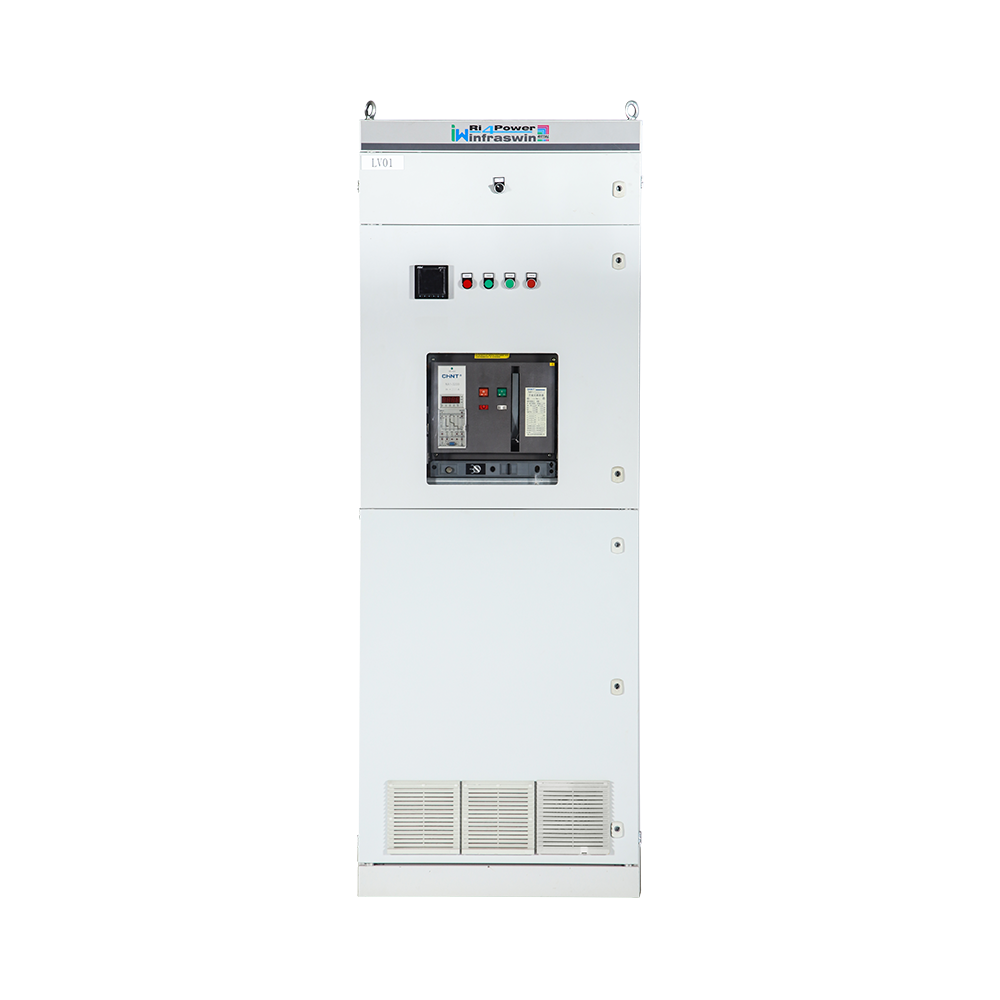
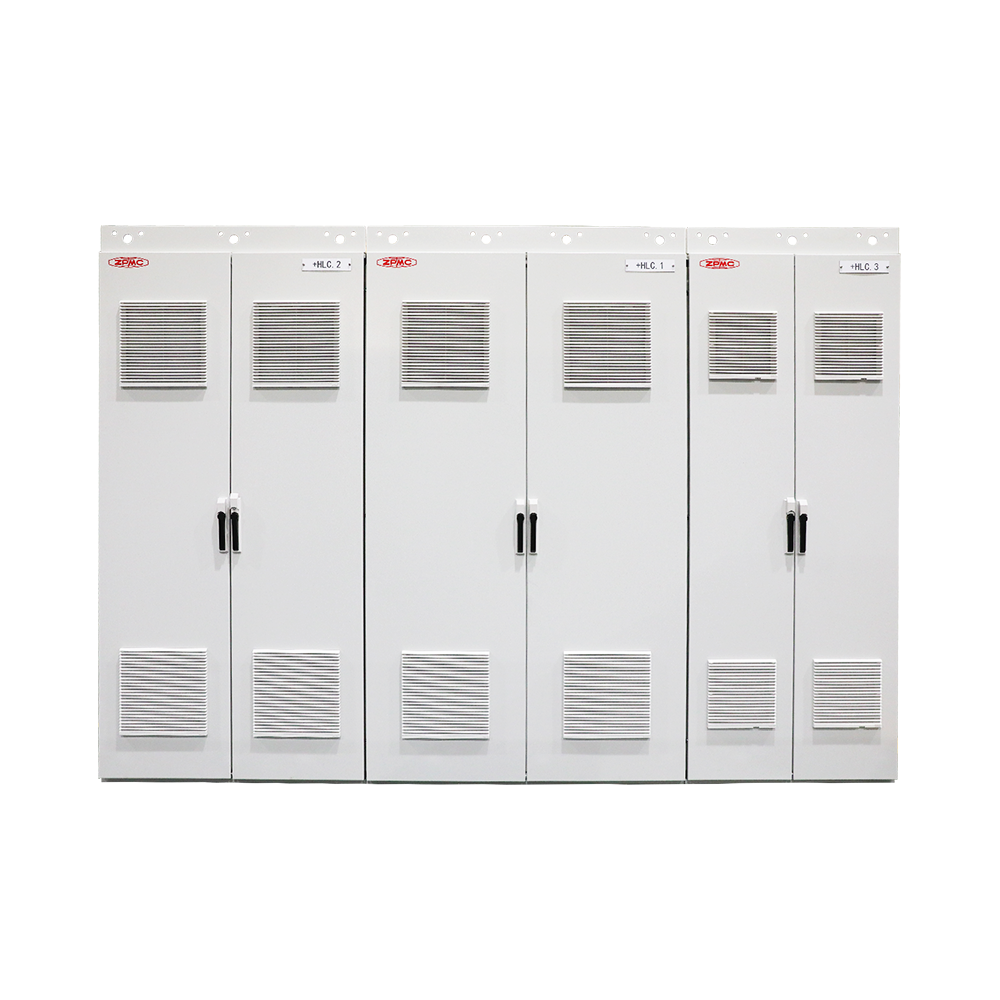
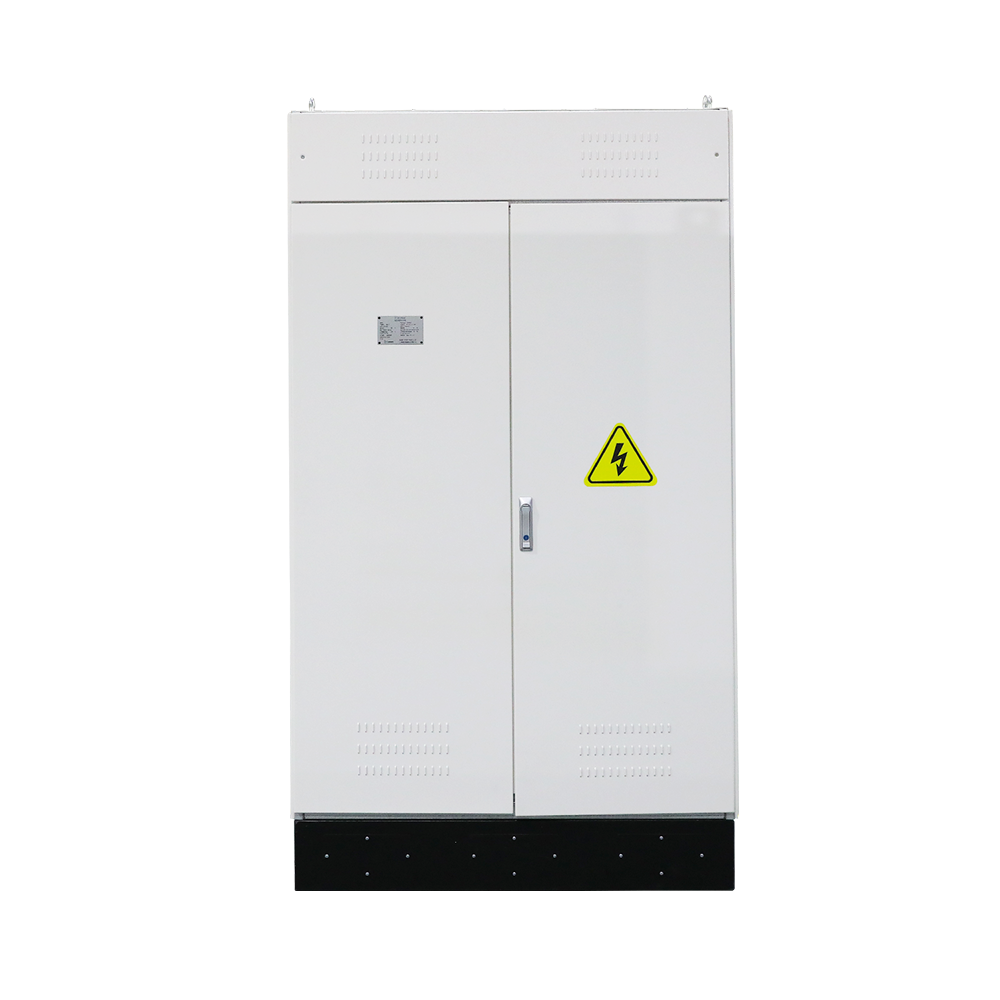
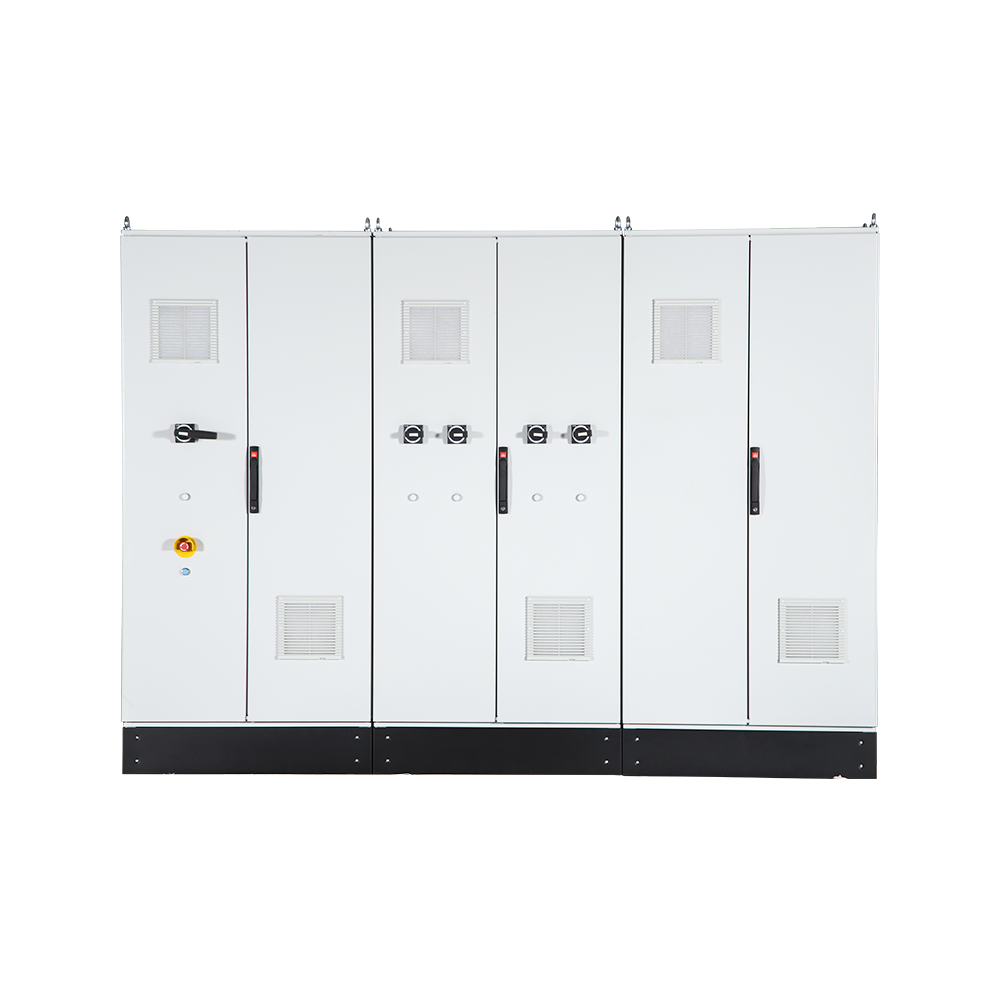
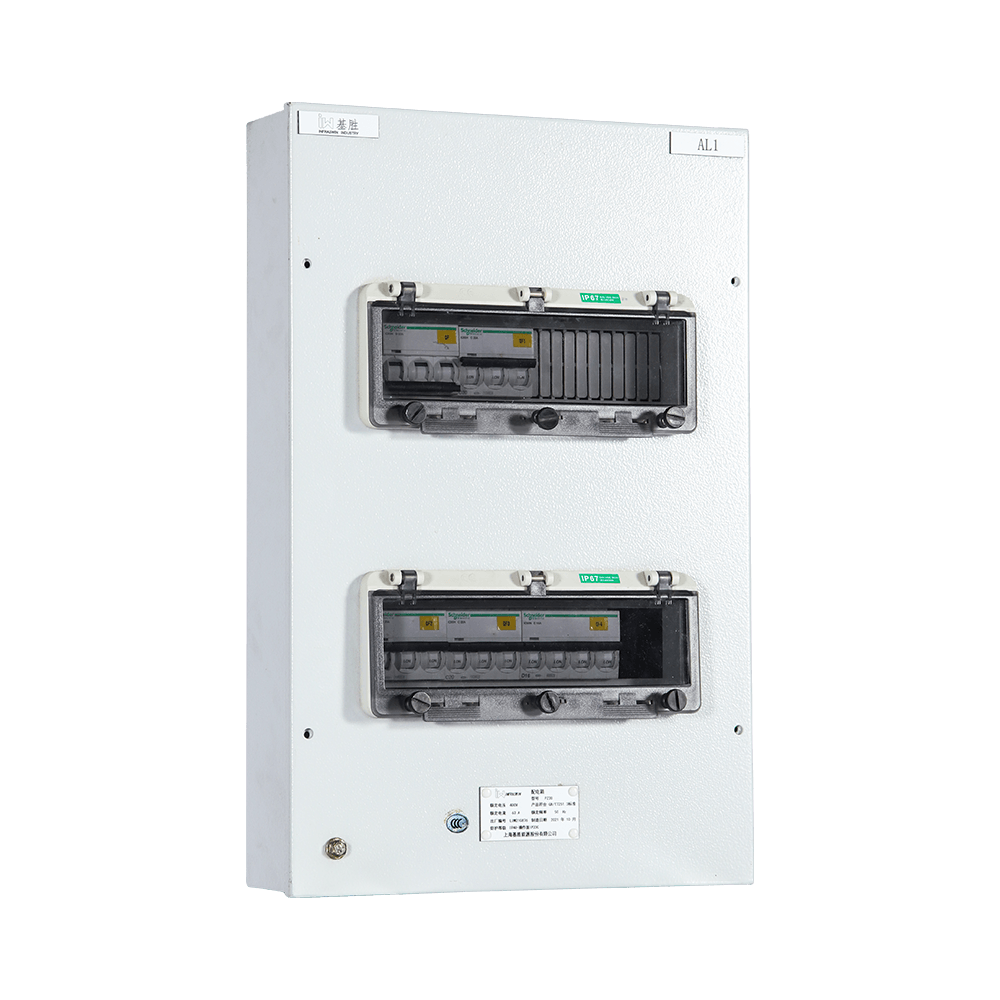
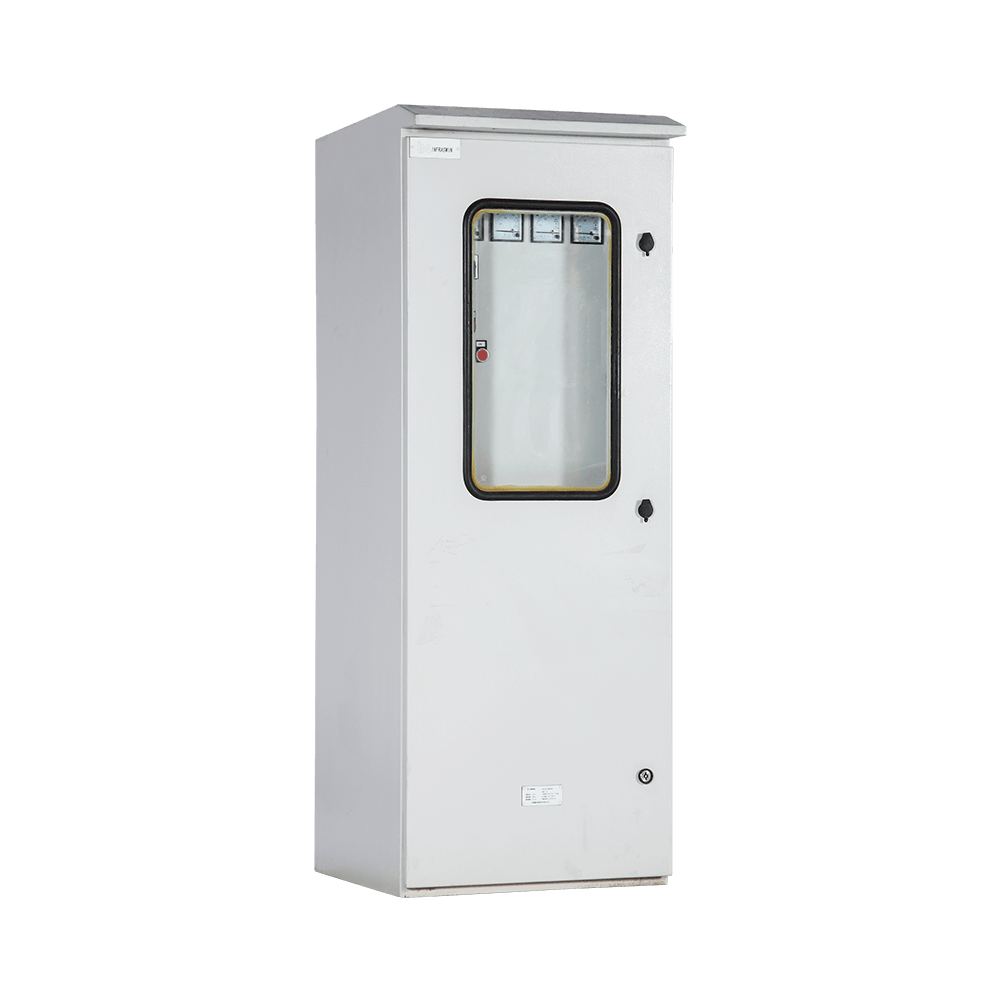
For junction boxes, panels, and cabinets, “nema certified” often means the enclosure is built and tested to perform as a specific NEMA Type (for example, Type 1, 3R, 4, 4X, 12, 6/6P). These Types describe environmental protection (rain, dust, corrosion, hose-down, immersion), not general build quality.
For motors, “nema certified” may mean (a) the motor is built to common NEMA dimensional/frame conventions so it fits standard mounts, and/or (b) the motor meets a defined efficiency level such as NEMA Premium®. A credible claim will specify the program/standard and the exact motor details (HP, RPM, enclosure type, voltage).
Verification is straightforward if you ask for the right artifacts. Your goal is to confirm: (1) which NEMA standard applies, (2) what exact configuration was tested, and (3) who validated it.
The fastest way to select a Type is to start from the exposure you cannot control. Over-specifying can add unnecessary cost, while under-specifying can cause failures from water ingress, corrosion, or dust buildup.
| Environment | Common Need | Typical NEMA Type to start with | What to double-check |
|---|---|---|---|
| Indoor, clean, controlled | Basic contact protection | Type 1 | Ventilation openings, dust sources nearby |
| Outdoor, rain/snow exposure | Weather resistance | Type 3R | Wind-driven rain, hose-down (may require Type 4) |
| Washdown, splashing, hose-directed water | Water-tight integrity | Type 4 | Door seals, latches, cable entries |
| Washdown + corrosion risk (food, chemical, coastal) | Water-tight + corrosion resistance | Type 4X | Material (e.g., stainless/polymer), fastener compatibility |
| Indoor industrial with dust, dripping oil/coolant | Dust/oil exclusion | Type 12 | Fine dust, pressure wash (would push toward Type 4/4X) |
| Temporary immersion or frequent heavy splashing | Immersion resistance | Type 6 / 6P | Depth/duration limits, breather/drain strategy |
One practical example: a rooftop disconnect box labeled “nema certified” is not useful until it says Type 3R (rain) or Type 4/4X (hose-down). If the site has routine washdown or salty coastal air, Type 4X can prevent corrosion-driven failures that show up as intermittent trips and ground faults.
Paying for the correct NEMA rating is usually cheaper than troubleshooting moisture ingress, corrosion, or dust contamination after installation. The cost impact is most visible at the interfaces: door seals, conduit entries, and add-ons such as fans, filters, and viewing windows.
If you need a quick procurement rule: specify the NEMA Type, not the phrase “nema certified.” Then require the nameplate marking and test evidence for the delivered configuration.
Many failures happen even when the base enclosure or motor is correctly rated—because accessories, installation methods, or field modifications defeat the protection level.
If you want to prevent vague “nema certified” substitutions, the simplest approach is to require explicit markings and evidence in your RFQ or submittal process.
This approach turns “nema certified” from a vague claim into an auditable requirement.
“nema certified” is only meaningful when it’s tied to a specific, checkable statement—such as a NEMA Type rating for an enclosure or a defined motor efficiency program. The practical best practice is simple: specify the exact NEMA standard outcome you need, then verify it via nameplate marking and documentation for the delivered configuration.
Recommended Products

Your one-stop supplier for energy management solutions.
Products
Contact Us
720 Yuandong Road, Fengxian District, Shanghai, China
+86-19101772387
+86-19101772387
info@infraswin.com

 English
 中文简体
中文简体
 Español