2026-02-12
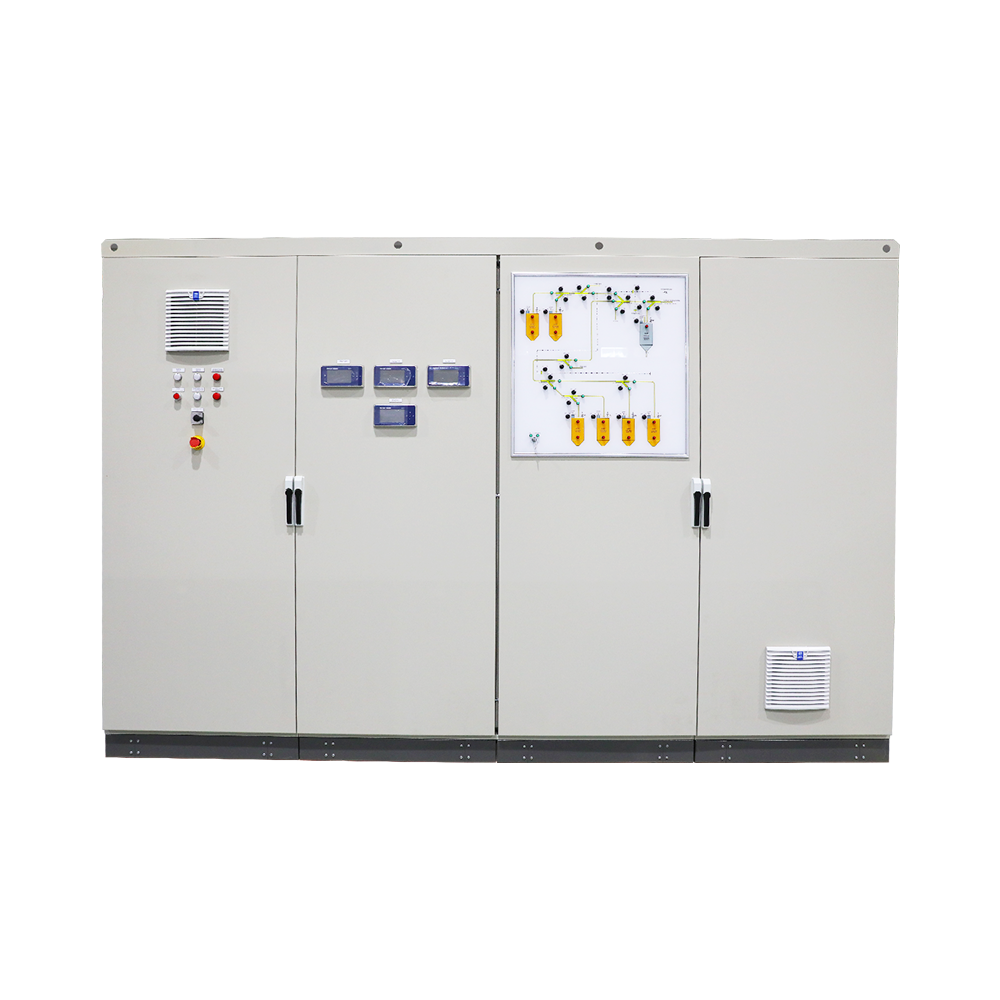
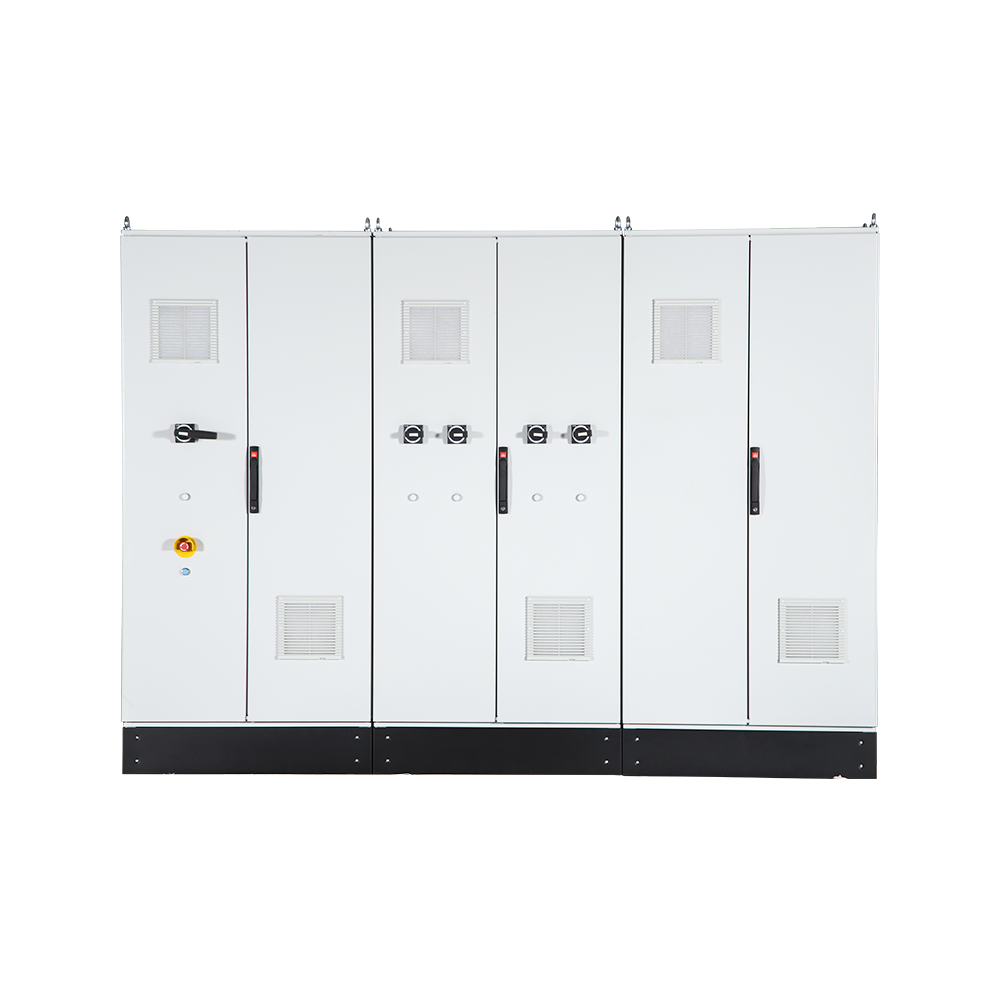
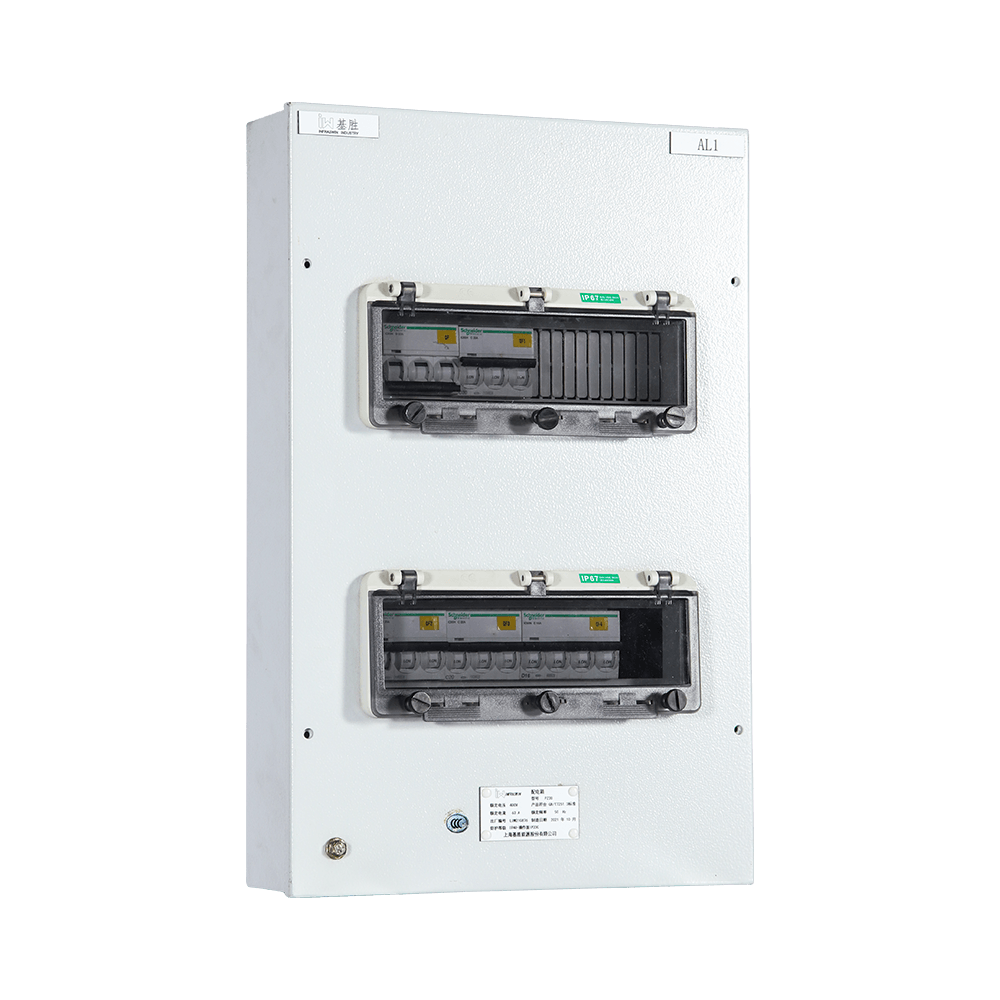
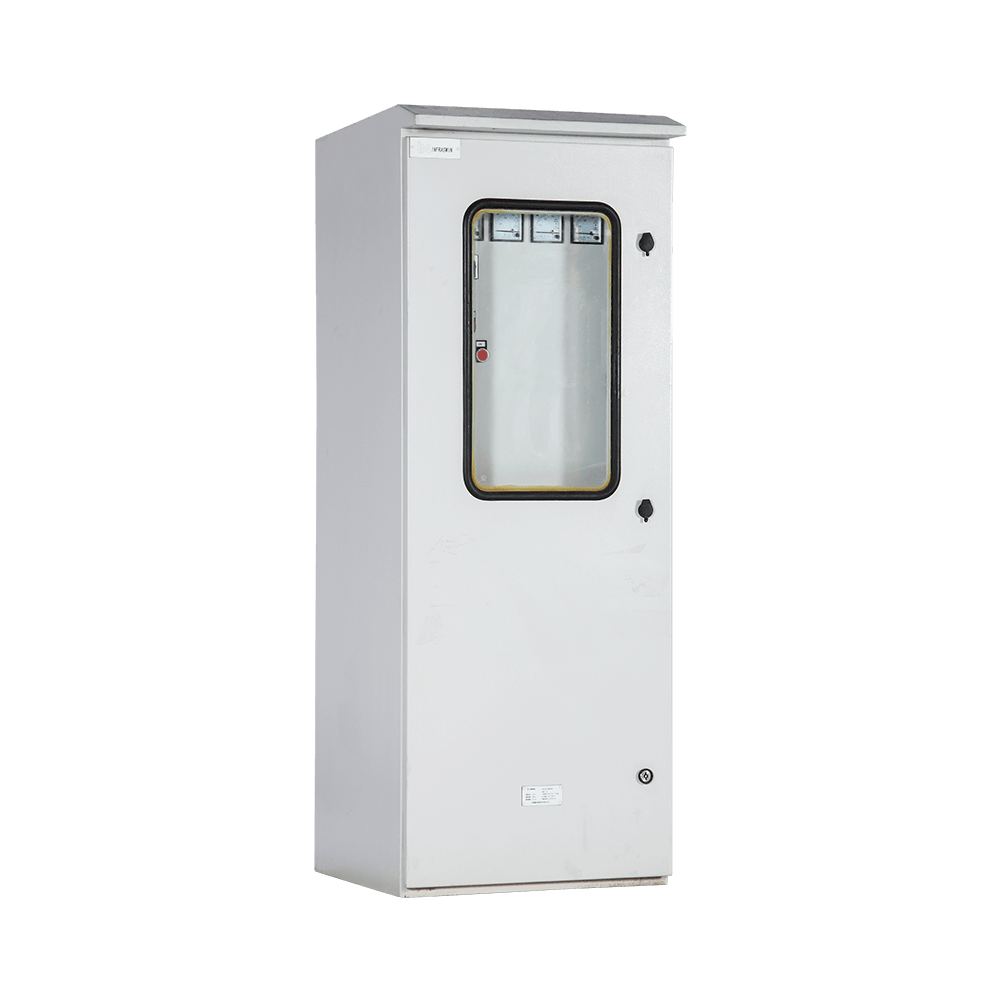
Dust ignition proof enclosures are specialized protective housings designed to contain electrical equipment operating in environments where combustible dust is present. These enclosures prevent dust particles from entering and, critically, are constructed to ensure that any arc, spark, or high temperature generated inside cannot ignite external dust layers or clouds. According to NFSA 499 and NEC Article 500, a dust ignition proof enclosure must prevent the ignition of specified dusts in its surrounding atmosphere, providing essential protection in industries ranging from grain processing to pharmaceutical manufacturing.
The fundamental difference between dust ignition proof and standard dust-tight enclosures lies in their ignition prevention capability. While a dust-tight enclosure merely excludes dust particles, a dust ignition proof unit is engineered to contain internal ignition sources and prevent external combustion even under fault conditions. This distinction becomes critical in facilities handling materials like metal powders, agricultural dusts, or chemical compounds that can create explosive atmospheres.
Hazardous locations with combustible dust are classified under two systems in North America. The Division system categorizes areas as Class II, Division 1 or Division 2, while the Zone system uses Class II/III Zone 20, 21, or 22 designations. Class II, Division 1 locations require dust ignition proof equipment as ignitable concentrations of combustible dust are present during normal operations. Division 2 areas, where dust is only present under abnormal conditions, may use equipment with less stringent requirements.
| Classification System | Zone/Division | Dust Presence | Required Protection |
|---|---|---|---|
| Division | Class II, Div 1 | Normal operations | Dust ignition proof |
| Division | Class II, Div 2 | Abnormal conditions | Dust-tight or approved |
| Zone | Zone 20 | Continuous/long periods | IP6X with ignition protection |
| Zone | Zone 21 | Likely during normal ops | IP6X with ignition protection |
| Zone | Zone 22 | Unlikely/short duration | IP5X minimum |
Combustible dusts are categorized into Groups E, F, and G based on their ignition characteristics and electrical resistivity. Group E includes metal dusts like aluminum and magnesium with resistivities below 100 ohm-cm, representing the most hazardous category. Group F encompasses carbonaceous dusts including coal and coke with resistivities between 100 and 100,000 ohm-cm. Group G covers agricultural dusts, plastics, and chemicals with resistivities exceeding 100,000 ohm-cm. Equipment must be rated for the specific dust group present in the facility.
The construction of dust ignition proof enclosures incorporates several critical design elements that work together to prevent ignition. These enclosures must meet stringent requirements:
Manufacturers must submit enclosures to rigorous testing protocols established by organizations like UL, FM Approvals, or CSA. UL 1203 testing subjects enclosures to 20 operational cycles under dust layer conditions, with internal arcing or sparking sources, to verify no external ignition occurs. The enclosure must also withstand an internal explosion test at 1.5 times the maximum pressure that could develop from a dust cloud ignition inside the housing.
Proper enclosure selection requires a systematic evaluation of environmental and operational factors. Begin by obtaining the dust's Material Safety Data Sheet (MSDS) or conducting testing to determine its ignition temperature, minimum ignition energy, and electrical characteristics. The facility's hazardous area classification must be verified through a qualified professional assessment.
A grain handling facility processing wheat dust (Group G, ignition temperature 430°C) operating in a Class II, Division 1 area would require a dust ignition proof enclosure rated for Group G with a T2 temperature code (maximum 300°C surface temperature). This provides adequate safety margin below the dust's ignition point.
Enclosure materials must resist corrosion from the process environment while maintaining structural integrity. Common options include:
Strategic placement of dust ignition proof enclosures significantly impacts both safety and maintenance efficiency. Install enclosures in locations with minimal dust accumulation whenever possible, though they must still function safely even when covered with dust layers up to 12.7mm (0.5 inches) thick. Vertical mounting orientations prevent dust accumulation on horizontal surfaces and facilitate natural cooling through convection.
Maintain adequate clearance around the enclosure for heat dissipation - typically 150mm (6 inches) on all sides for natural convection cooling. In applications generating significant heat, forced air cooling or larger enclosures may be necessary to keep surface temperatures within rated limits.
All conduit entries into dust ignition proof enclosures must maintain the integrity of the protection system. Use threaded rigid metal conduit or IMC (Intermediate Metal Conduit) with minimum 5-thread engagement. Each conduit run entering from a Division 1 or Zone 20/21 area requires sealing fittings installed within 450mm (18 inches) of the enclosure entry point to prevent dust migration through the conduit system.
EYS-type sealing fittings rated for dust ignition proof applications must be used, with sealing compound poured to completely fill the fitting chamber. Standard drainage seals designed for Class I (gas/vapor) locations do not provide adequate protection for dust environments.
Maintaining the protective integrity of dust ignition proof enclosures requires systematic inspection programs. NFPA 70 and industry best practices recommend quarterly inspections for Division 1 locations, with monthly checks in areas experiencing heavy dust loading. Each inspection should verify:
Any damage to sealing surfaces, missing fasteners, or compromised gaskets requires immediate attention before the equipment can be returned to service. Replacement parts must match the original specifications and ratings. Substituting non-approved components, even seemingly minor items like gaskets or fasteners, can void the enclosure's certification and create serious safety hazards.
When opening enclosures for maintenance, follow hot work permit procedures if applicable, and verify the atmosphere has been tested and deemed safe. De-energize circuits and implement lockout/tagout procedures before accessing internal components. After maintenance, verify proper reassembly by checking that all fasteners are installed and torqued correctly before re-energizing.
Grain elevators, flour mills, and feed processing facilities represent some of the most demanding environments for dust ignition proof enclosures. The 2008 Imperial Sugar refinery explosion, which killed 14 workers and caused over $500 million in damages, underscored the critical importance of proper electrical installation practices in combustible dust environments. Modern facilities incorporate dust ignition proof motor starters, junction boxes, and control panels throughout grain handling, milling, and packaging areas classified as Class II, Division 1.
Facilities handling aluminum, magnesium, titanium, or other metal powders require Group E rated enclosures due to the extremely hazardous nature of these materials. Additive manufacturing operations using metal powder bed fusion technology, pharmaceutical powder processing, and specialty chemical manufacturing all depend on dust ignition proof electrical infrastructure. In these applications, enclosures often house sophisticated controls for environmental monitoring, automated powder handling systems, and process control equipment that must operate reliably in hazardous atmospheres.
Sawmills, cabinet shops, and wood pellet production facilities generate substantial quantities of wood dust classified as Group G material. Motor control centers for dust collection systems, saw controls, and conveyor drives typically require dust ignition proof protection in areas near sanding operations, cut-off saws, and material handling systems where dust concentrations reach hazardous levels during normal production.
Dust ignition proof enclosures typically cost 2-4 times more than general-purpose NEMA 4/4X enclosures of similar size, with prices ranging from $200 for small junction boxes to over $10,000 for large custom motor control centers. However, this investment must be weighed against potential consequences of using inadequate protection.
OSHA fines for combustible dust violations can reach $156,259 per serious violation as of 2024, while a single dust explosion can result in millions in property damage, production downtime, and potential loss of life. Insurance carriers increasingly require proper hazardous location electrical installations as a condition of coverage for facilities handling combustible materials.
Long-term operational costs favor quality dust ignition proof enclosures through reduced maintenance requirements and extended service life. Premium enclosures with corrosion-resistant materials and robust gasket systems can operate 15-20 years in demanding environments, while inadequate protection may require frequent replacement and create ongoing compliance issues.
Emerging technologies are enhancing dust ignition proof enclosure capabilities and safety features. Integrated monitoring systems now track internal temperature, vibration, and environmental conditions, providing early warning of potential issues before they compromise protection. Smart enclosures with IoT connectivity enable remote diagnostics and predictive maintenance, reducing unplanned downtime while ensuring continued compliance.
Advanced materials research is producing lighter, more durable enclosure designs with improved thermal management. Composite materials combining aluminum with thermal interface materials enhance heat dissipation without adding weight, particularly beneficial for large control panels housing high-power electronics.
The convergence of IEC and NEC standards continues, with increasing harmonization between Zone and Division classification systems. This trend simplifies equipment selection for multinational companies and broadens the availability of certified products across different regulatory frameworks. Manufacturers are increasingly offering dual-certified enclosures meeting both UL 1203 (Division) and IEC 60079 (Zone) requirements, providing flexibility for global installations.
Recommended Products

Your one-stop supplier for energy management solutions.
Products
Contact Us
720 Yuandong Road, Fengxian District, Shanghai, China
+86-19101772387
+86-19101772387
info@infraswin.com

 English
 中文简体
中文简体
 Español