Understanding NEMA 4: Standards, Benefits, and Applications

Home / News / Industry News / Understanding NEMA 4: Standards, Benefits, and Applications

Understanding NEMA 4: Standards, Benefits, and Applications

2025-12-09

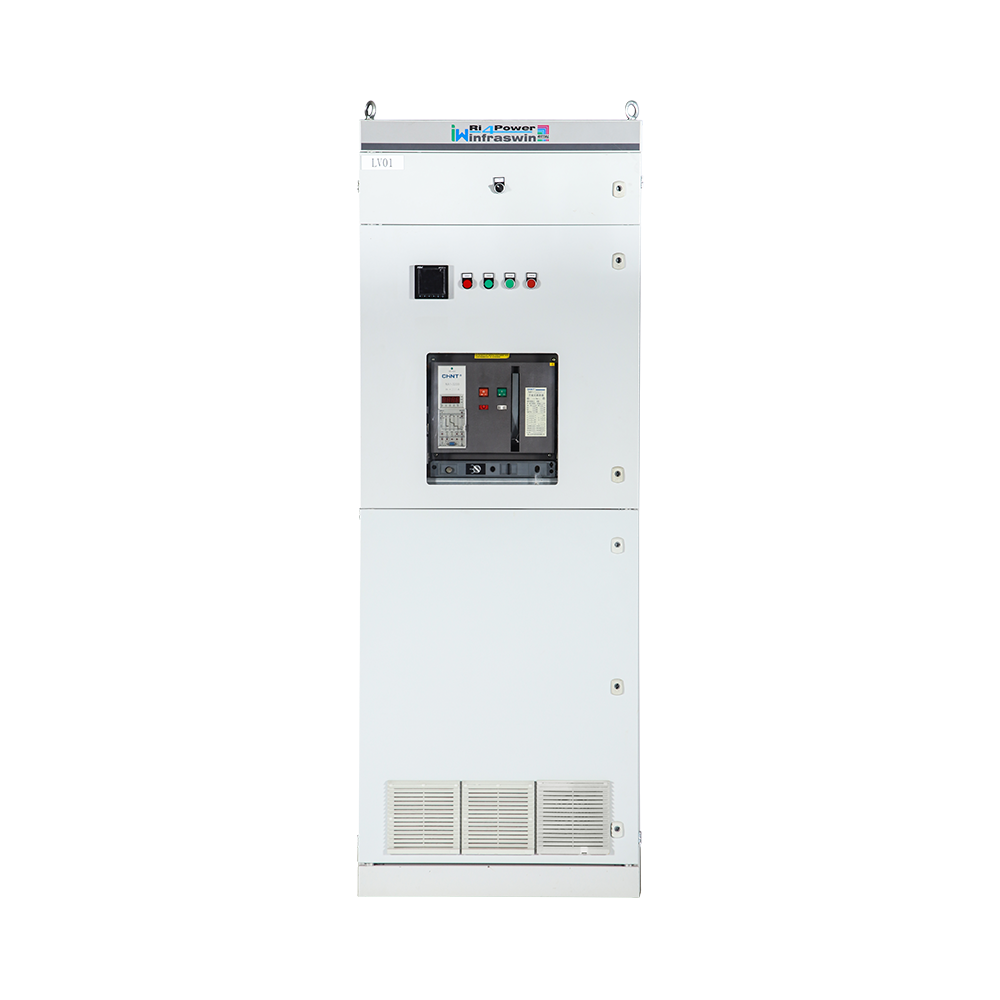
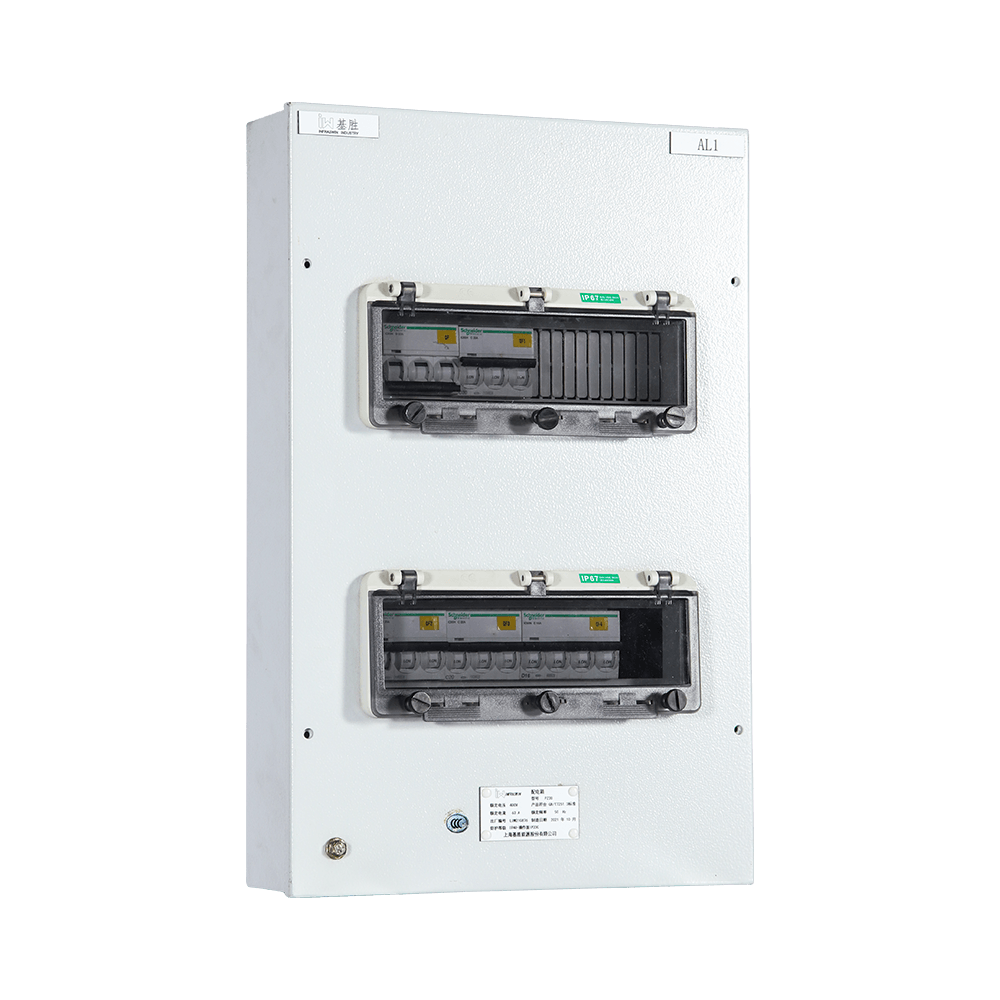
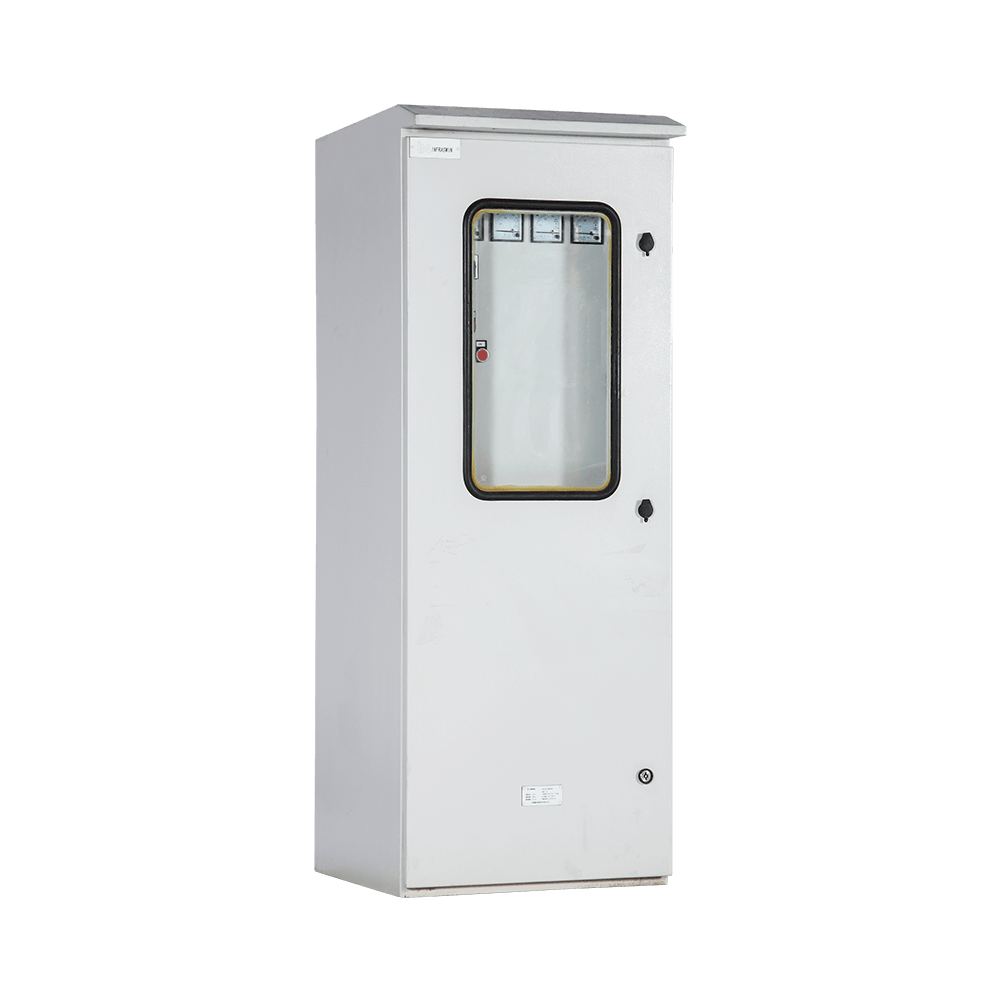
NEMA 4 enclosures are designed to protect electrical and electronic equipment from environmental factors. These enclosures adhere to standards set by the National Electrical Manufacturers Association (NEMA) to ensure reliable performance under various conditions. Understanding the features and benefits of NEMA 4-rated enclosures is crucial for selecting the right protection for your equipment in industrial settings.

What is NEMA 4?

NEMA 4 is a classification for electrical enclosures that are designed to provide protection against a range of harsh environmental conditions. This includes protection from water, dust, and debris, making it suitable for use in industries where equipment is exposed to challenging environmental factors. NEMA 4-rated enclosures are built to ensure that electrical components are protected from moisture, dirt, and other contaminants that could compromise their functionality.

NEMA 4 Enclosure Standards

The NEMA 4 standard outlines the specific requirements that enclosures must meet in order to be classified as NEMA 4. These include:

  • Protection from windblown dust and rain.
  • Ability to protect against splashing water and hose-directed water.
  • Enclosures must be able to withstand external condensation.
  • Suitable for both indoor and outdoor use in harsh weather conditions.

The NEMA 4 standard is part of a broader range of NEMA ratings, which define how effectively enclosures protect against different environmental hazards. NEMA 4 is typically used in outdoor environments or places exposed to wet, dusty, or dirty conditions.

Benefits of NEMA 4 Enclosures

NEMA 4 enclosures offer a number of advantages for industries that need reliable protection for electrical equipment. The key benefits include:

  • Weather Resistance: NEMA 4 enclosures are designed to withstand rain, snow, and extreme temperatures, making them ideal for outdoor use.
  • Waterproofing: They offer protection from water splashes, hose-directed water, and submersion in certain cases, ensuring the safety of sensitive equipment.
  • Dust Protection: These enclosures prevent the entry of dust, dirt, and debris, which can cause equipment failure or malfunction.
  • Corrosion Resistance: Many NEMA 4 enclosures are made from corrosion-resistant materials like stainless steel, offering long-lasting durability.

Applications of NEMA 4 Enclosures

NEMA 4 enclosures are commonly used in industries where equipment must operate reliably in harsh environments. Some typical applications include:

  • Outdoor electrical equipment.
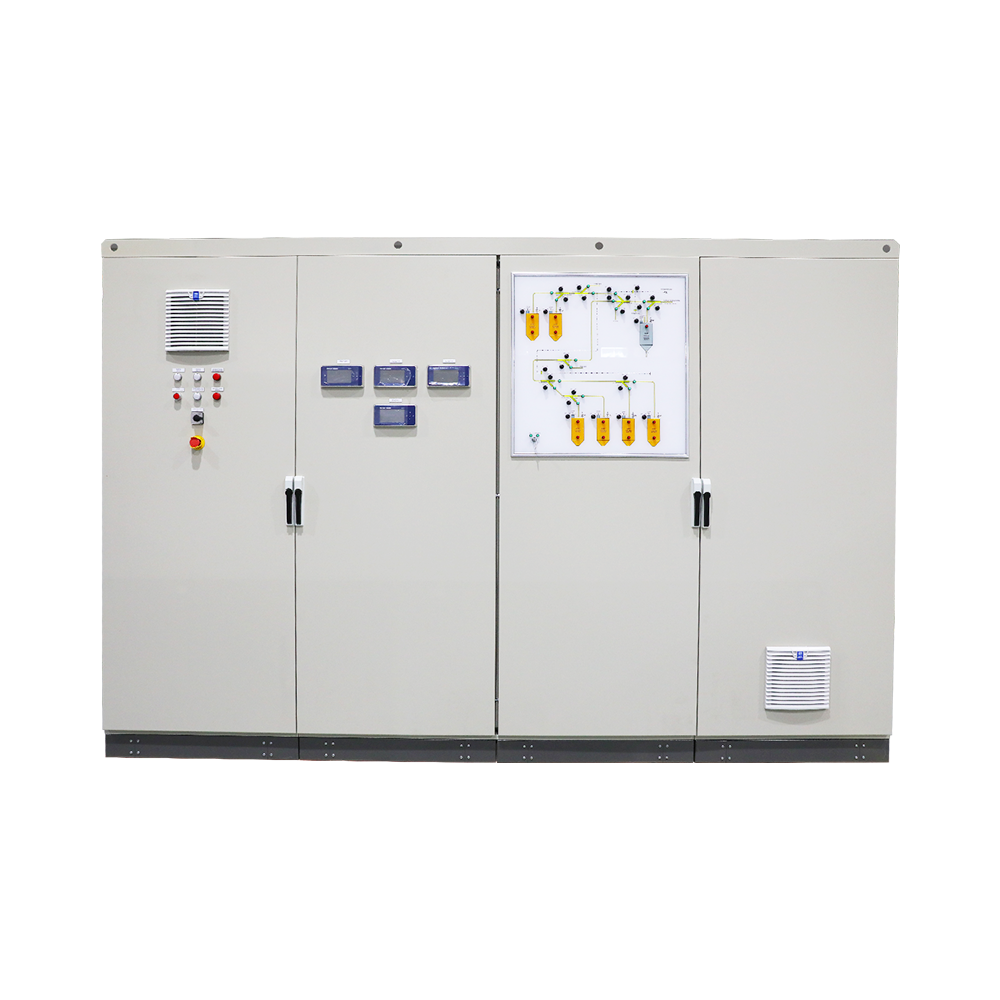
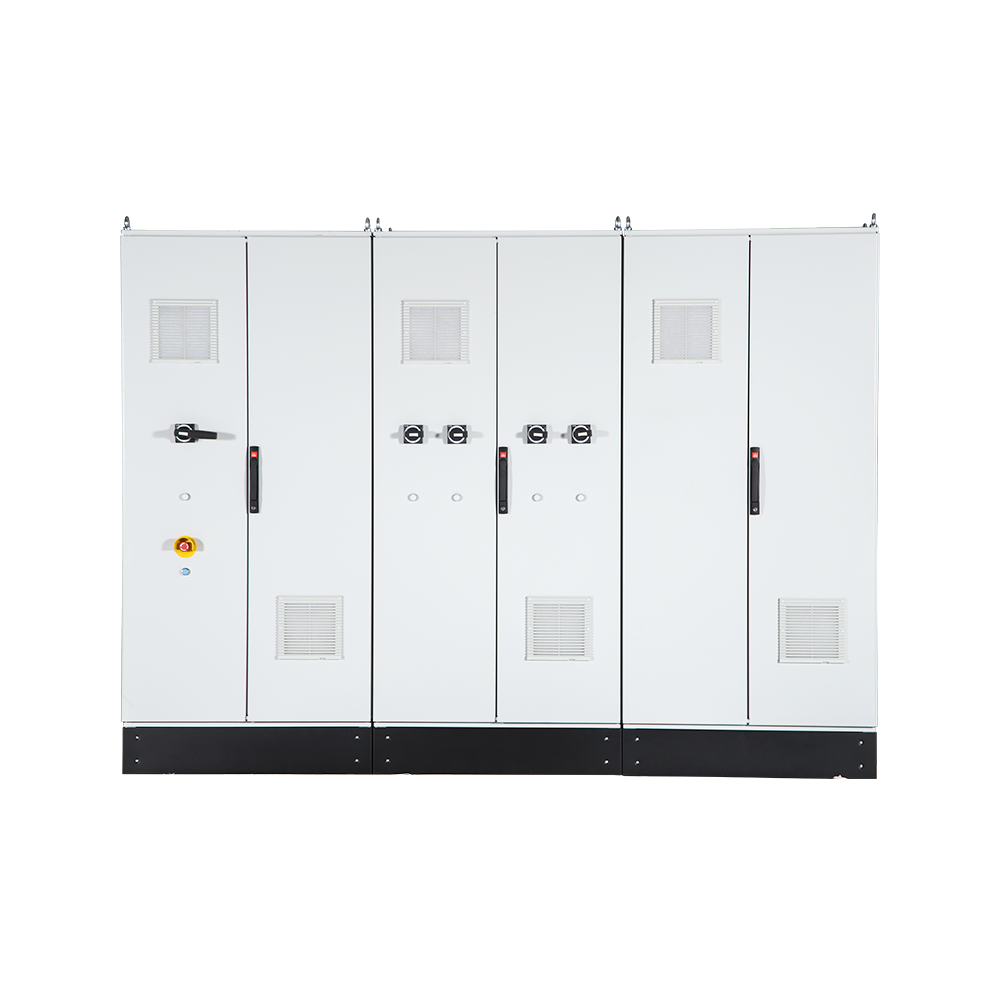
  • Control panels in factories and manufacturing plants.
  • Telecommunications equipment exposed to weather conditions.
  • Water treatment facilities where equipment must be protected from moisture and chemicals.
  • Food processing plants where protection from water and dust is necessary.

Materials and Construction of NEMA 4 Enclosures

The materials used to manufacture NEMA 4 enclosures are critical for ensuring the durability and reliability of the enclosure in various environments. Common materials include:

  • Steel: Steel enclosures offer strength and are often treated for corrosion resistance through powder coating or galvanization.
  • Stainless Steel: Stainless steel provides high resistance to corrosion and is ideal for extreme conditions, such as coastal areas with salty air.
  • Aluminum: Aluminum enclosures are lightweight, yet strong and resistant to corrosion, making them suitable for both indoor and outdoor applications.
  • Fiberglass: Fiberglass enclosures offer excellent electrical insulation properties and are resistant to impact, making them suitable for corrosive environments.

Choosing the Right NEMA 4 Enclosure

When selecting a NEMA 4 enclosure, consider the following factors:

  • Size and Capacity: Choose an enclosure that fits your equipment and provides enough space for proper ventilation.
  • Environmental Conditions: Consider the specific environmental conditions where the enclosure will be used, such as exposure to chemicals, extreme temperatures, or high humidity.
  • Material Type: Select a material that offers the best protection based on your environment, such as stainless steel for corrosion resistance or fiberglass for insulation.
  • Compliance with Standards: Ensure the enclosure meets the NEMA 4 rating, along with other standards for safety and durability relevant to your application.

In conclusion, NEMA 4 enclosures are essential for protecting electrical equipment in tough environments. Whether you're dealing with outdoor exposure, harsh chemicals, or high moisture levels, these enclosures offer the durability and reliability needed to ensure optimal performance and longevity of your equipment.