Construction Site Safety Management | A Top-10 Risk Prevention Checklist for PV-Storage-Charging Projects
2026-11-14
An integrated PV-storage-charging project, combining photovoltaic (PV) generation, battery energy storage and EV charging, involves multiple risks at the same time: work at height, lifting and hoisting, AC/DC high voltage, lithium battery fire hazards during hot work, and multi-crew simultaneous operations. Construction at height on rooftops and carports, high-voltage electrical work, and energy storage battery fire prevention form the core of safety control for PV-storage-charging projects. This article presents a top-10 risk prevention checklist for PV-storage-charging construction sites, aiming to standardize special-work approval and hold the safety bottom line for new energy project construction.
I. Proven EPC Qualifications and Capability
For integrated PV-storage-charging projects covering PV, energy storage and AC/DC EV charging, Infraswin Energy holds full-process EPC qualifications:
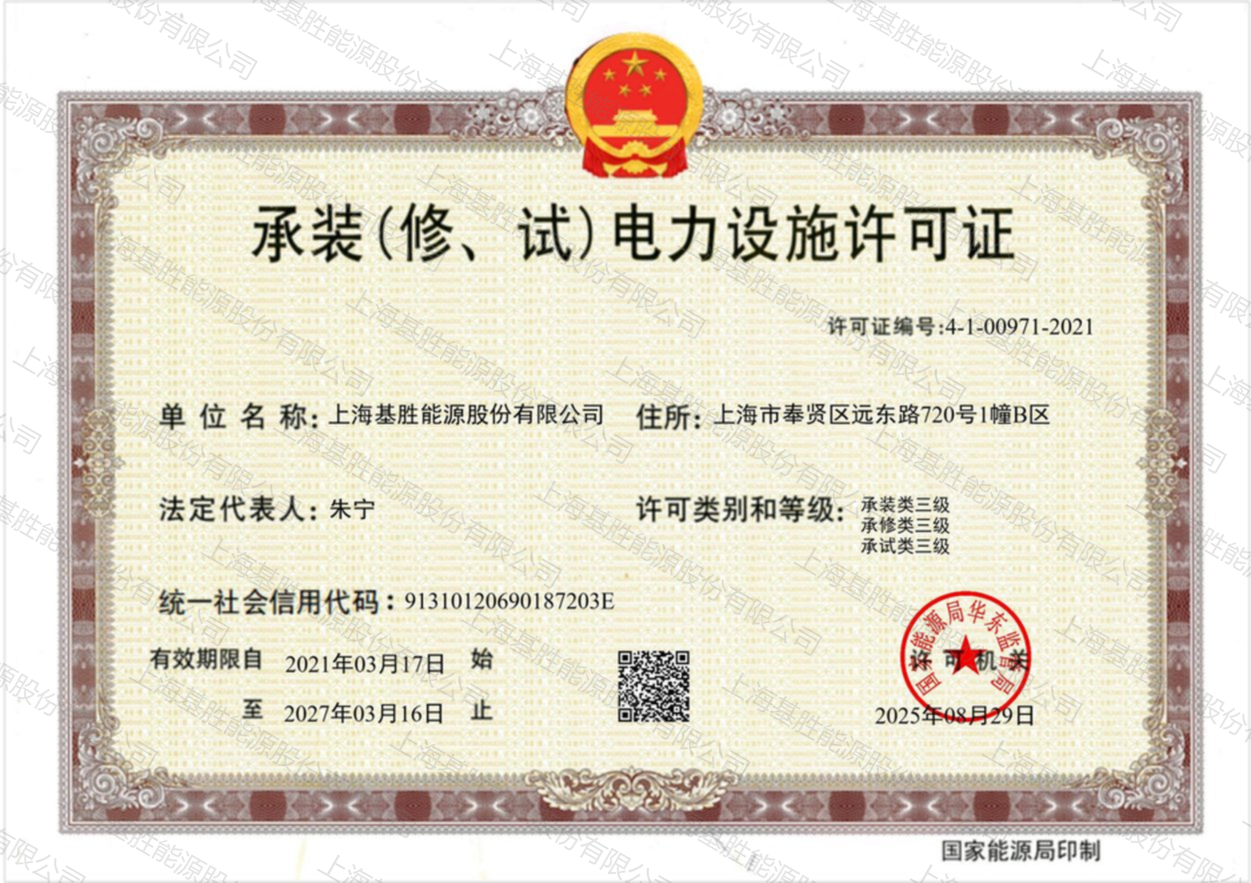
Electric Power Facility Installation (Repair and Testing) License (Class III): qualifies the company to undertake grid-connection electrical construction up to 35 kV, covering PV grid connection, energy storage PCS, AC/DC charging piles, and the installation and acceptance of HV/LV power distribution.
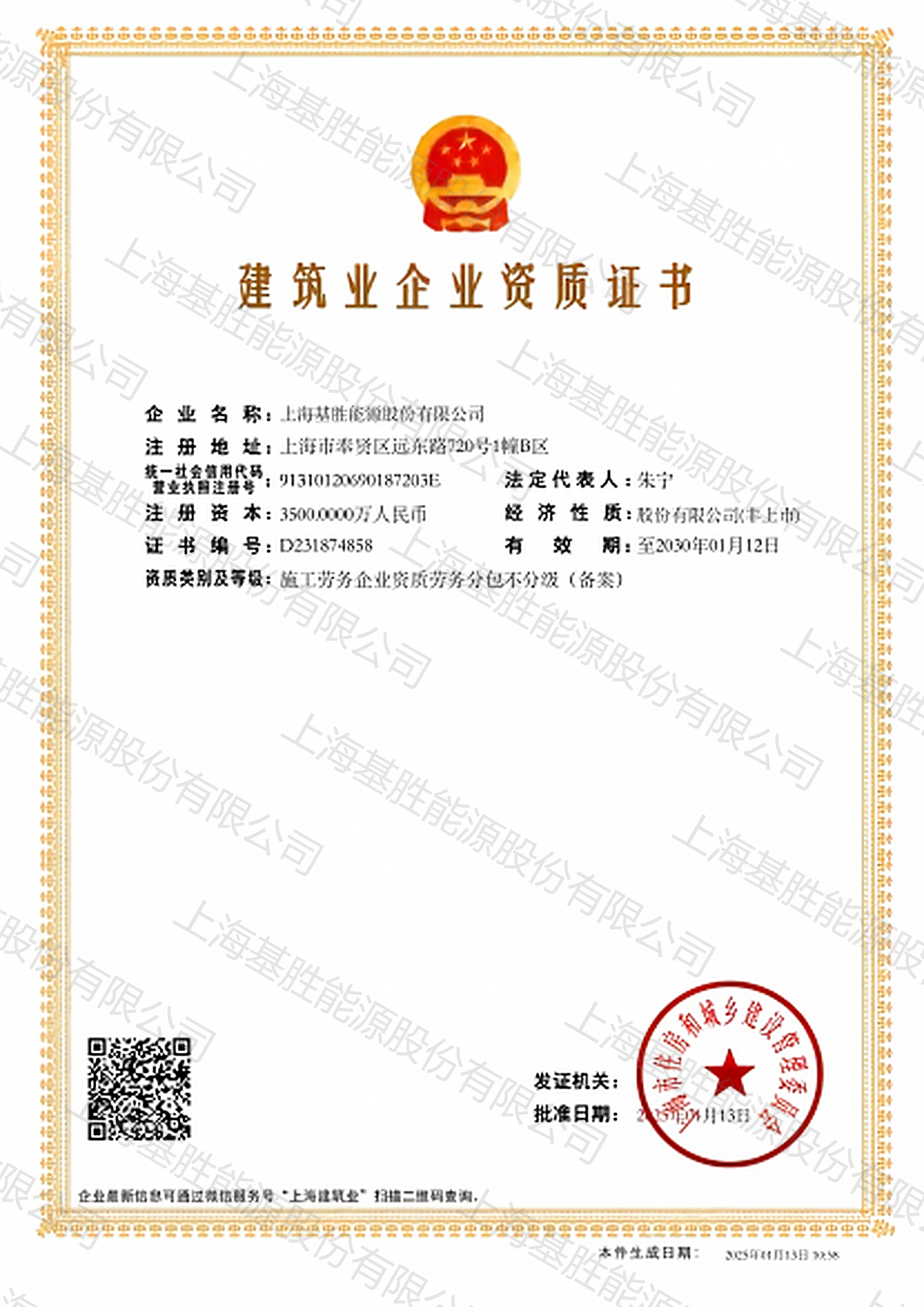
Construction Labor Services Qualification: in-house construction crews under real-name management eliminate loopholes in subcontractor control.
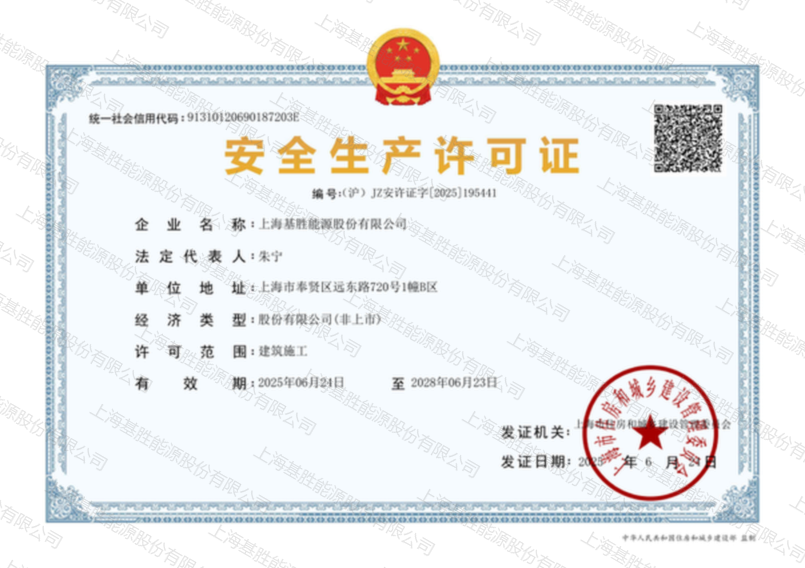
Work Safety License: a complete safety management system and emergency response framework that meets the statutory requirements for new energy electrical engineering construction.


II. Overview of Construction Risks in PV-Storage-Charging Projects
Scope of work: rooftop/carport PV installation, energy storage equipment positioning, and the electrical construction of AC/DC charging piles.
Core high risks: falls from height, lifting injuries, AC/DC electric shock, lithium battery thermal runaway fire, hot work fire, struck-by objects, charging pile high-voltage arcs, temporary power hazards, and risks from multi-crew simultaneous operations.
III. Top 10 Hazards and On-Site Prevention Checklist
| No. | Risk Category | Risk Description | Key Control Measures | Permit Requirements |
| 1 | Falls from height (PV work) | Work on rooftops and carport roofs; unprotected edges and openings, insufficient panel load capacity, and component handling can easily cause falls. | Lay walkway boards on working surfaces and fully enclose openings and edges; anchor safety belts high and use them low, never step on fragile panels; stop work at height in heavy wind, rain or snow. | Work-at-height permit + roof load-capacity verification record |
| 2 | Lifting and hoisting injuries | Insecure rigging, slanted lifting or falling objects while hoisting PV modules and electrical equipment may injure people below. | Certified crane operators plus dedicated signalmen; strictly enforce the ten no-lift rules; trial lift before hoisting; fully cordon off the lifting zone; suspend lifting in high wind. | Lifting plan approval + lifting operation permit |
| 3 | AC/DC electric shock (station-wide) | PV arrays are energized in daylight; storage DC high voltage and charging-pile high-voltage circuits coexist with AC utility power. Without lockout/tagout, accidental contact can easily cause shock. | Strictly implement de-energize - verify - discharge - lockout/tagout (LOTO); cover PV modules to stop generation; run AC and DC cables in separate trays with color coding; implement three-level distribution with two-level protection. | LOTO lockout records + AC/DC insulation testing |
| 4 | Thermal runaway fire of storage batteries | Batteries damaged by impact, or hot work near equipment igniting battery packs, can trigger thermal runaway fires. | Handle batteries gently; impact and dropping are strictly prohibited; upgrade hot work in storage areas to Class I hot work, remove combustibles and lay fire blankets; reserve fire separation distances between equipment. | Class I hot work permit + lithium-battery-specific safety briefing |
| 5 | Fire from overlapping hot work | Welding sparks from bracket work can drift into cable, storage and charging areas and ignite cable insulation. | Cover the area below hot work points entirely with fire blankets; set up rigid fire isolation strips between the PV area and the storage/charging areas; keep a fire watch for 30 minutes after hot work ends. | Classified hot work approval; dry powder extinguishers fully stocked on site |
| 6 | Struck-by falling objects in overlapping operations | Throwing tools or fittings from height, or simultaneous work on multiple levels, can injure people below. | Keep all tools in tool bags, throwing objects is strictly prohibited; stagger work sequences; cordon off the area below work at height and forbid passage. | Safety technical briefing for overlapping operations |
| 7 | Charging pile electric shock and fire | Mixed neutral/ground wiring or outdoor water ingress on AC piles; residual capacitor voltage on DC piles producing DC arcs when covers are opened; missing leakage protection. | Wire AC piles to code and waterproof the bases, one machine - one switch - one leakage protector; DC maintenance requires de-energizing, standing discharge and re-verification with DC-specific insulated tools; reliable grounding meeting resistance standards. | Charging pile electrical testing + grounding resistance testing + DC high-voltage briefing |
| 8 | Cable laying and temporary power hazards | AC and DC cables mixed in one trench with water-soaked damaged joints; one switch feeding multiple machines; live outdoor wiring in the rain. | Lay AC and DC cables in separate channels and waterproof-seal joints; strictly enforce one machine - one switch - one leakage protector - one box; stop outdoor live wiring on rainy days. | Concealed cable acceptance + daily temporary power inspection log |
| 9 | Injuries during equipment positioning | Slanted lifting of storage equipment, collisions with enclosures during positioning, or people standing under suspended loads. | Select proper lifting points for large equipment and set down gently; cordon off the lifting zone; no one may stand under suspended loads. | Lifting operation permit + equipment entry protection briefing |
| 10 | Poor control of multi-crew simultaneous work | PV, storage, charging pile and civil crews working at the same time; mixed work zones and loose personnel control. | Grid-based zoning with physical barriers separating the elevated PV area, storage area and charging area; staggered schedules; real-name management of outsourced personnel plus three-level safety training. | Subcontractor safety agreements + daily pre-shift meeting records |
IV. Five Key Site-Wide Safety Control Measures
(1) Strict special-work permit management
Work at height, lifting operations, Class I hot work and DC high-voltage work must be approved before construction starts; any work without a permit or a supervisor is halted immediately.
(2) Physical zoning and segregation
Following the general site layout, rigid fencing divides the site into five independent zones: work area, material storage area, lifting area, hot work area, and office/living area, with code-compliant fire separation distances, isolation fencing and warning signs between zones.
(3) Dedicated fire control for the energy storage system
Storage equipment keeps fire separation distances; hot work stays away from battery compartments; lithium-battery-specific firefighting equipment is fully provided to prevent thermal runaway accidents.
(4) Full-process control of lifting operations
A dedicated lifting plan is mandatory for hoisting; certified command, trial lifts and cordon/isolation measures are implemented to prevent falling objects.
(5) Classified electrical control of charging piles
AC piles: focus on waterproofing and leakage control. DC piles: strictly follow the capacitor discharge procedure to prevent DC arc injuries.
V. Emergency Response Essentials
Falls and lifting injuries: stop work immediately, rescue the injured without delay, and seal off the accident scene.
Storage battery fire: cut off all AC/DC power station-wide at once, isolate faulty equipment and evacuate personnel first; opening covers to fight a lithium battery fire at close range is strictly prohibited.
Charging pile electrical fire: disconnect the upstream power first, then extinguish with dry powder extinguishers; spraying water on live equipment is strictly prohibited.
VI. Closing Remarks
Backed by a full set of EPC qualifications, Infraswin Energy is deeply engaged in integrated PV-storage-charging engineering construction. PV-storage-charging projects are high-risk new energy electrical works, where lifting at height, AC/DC high voltage and lithium battery fire prevention are the key links of safety management. Only by strictly implementing the top-10 risk checklist - every job approved, every risk controlled, every emergency pre-planned - can projects be built smoothly and delivered with zero accidents.
Shanghai Infraswin Energy Co., Ltd. embeds safety across the whole cycle - scheme design, equipment manufacturing, on-site construction and grid-connection delivery - providing commercial and industrial customers with safe and reliable integrated PV-storage-charging energy solutions.