Preventing Electrical Fires and Downtime: Analysis of UL891 Low Voltage Switchgear Safety Design
2026-03-24
In critical facilities such as data centers and manufacturing plants, low voltage switchboard distributes and manages electrical power. A single design flaw can lead to catastrophic fires or system failure. The UL891 standard, developed over decades in North America, establishes the global benchmark for safety, founded on principles of active defense and systemic fault tolerance.
I. Active Defense Against Arc Faults
Rather than relying solely on insulation, UL891 emphasizes arc containment and rapid response, based on the premise that arc faults can and will occur.
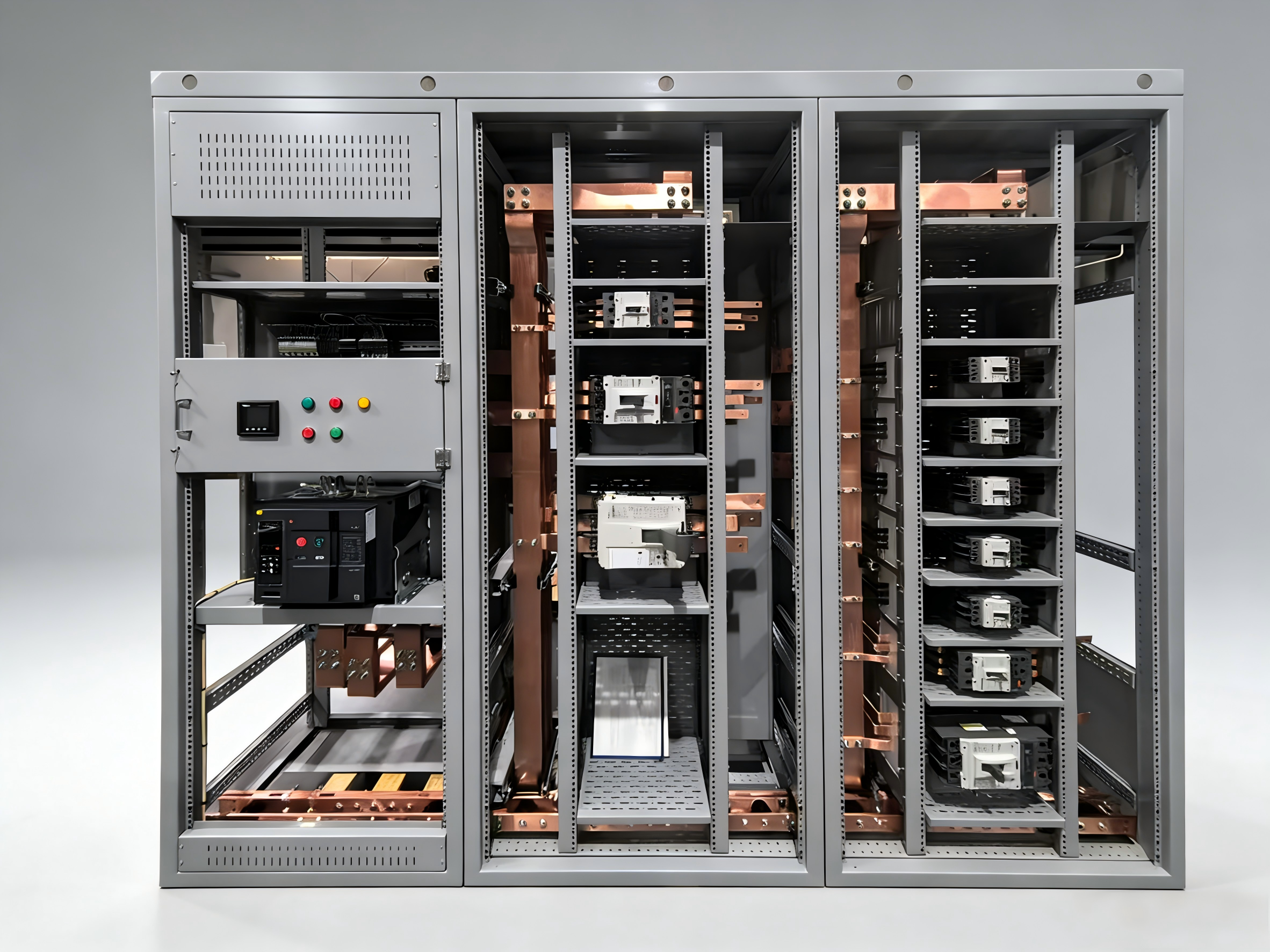
Internal Segregation with Steel Barriers
Grounded steel barriers separate busbar, breaker, cable, and control compartments, providing physical and thermal isolation.
• Prevents fault propagation between compartments.
• Includes pressure relief vents to direct arc blast away from personnel.
• Barrier integrity is validated under extreme conditions.
Arc Flash Protection Systems
Ultra-fast arc light sensors (<1ms response) combined with overcurrent detection can trip the system within 5–8 ms—far faster than conventional protection—cutting power before energy reaches destructive levels.
II. System Fault Tolerance
Safety depends on overall system design, not individual components.
1. Derating of Components
Key current-carrying elements such as busbars and connections are required to have higher actual capacity than their nominal rating, providing a buffer against aging, loose connections, or unexpected loads.
2. Ensuring Connection Reliability
Over 40% of failures originate from connection points. UL891 enforces:
• Dynamic thermal cycling tests to simulate years of operation.
• Material compatibility and corrosion protection specifications to prevent degradation.
• Material compatibility and corrosion protection specifications to prevent degradation.
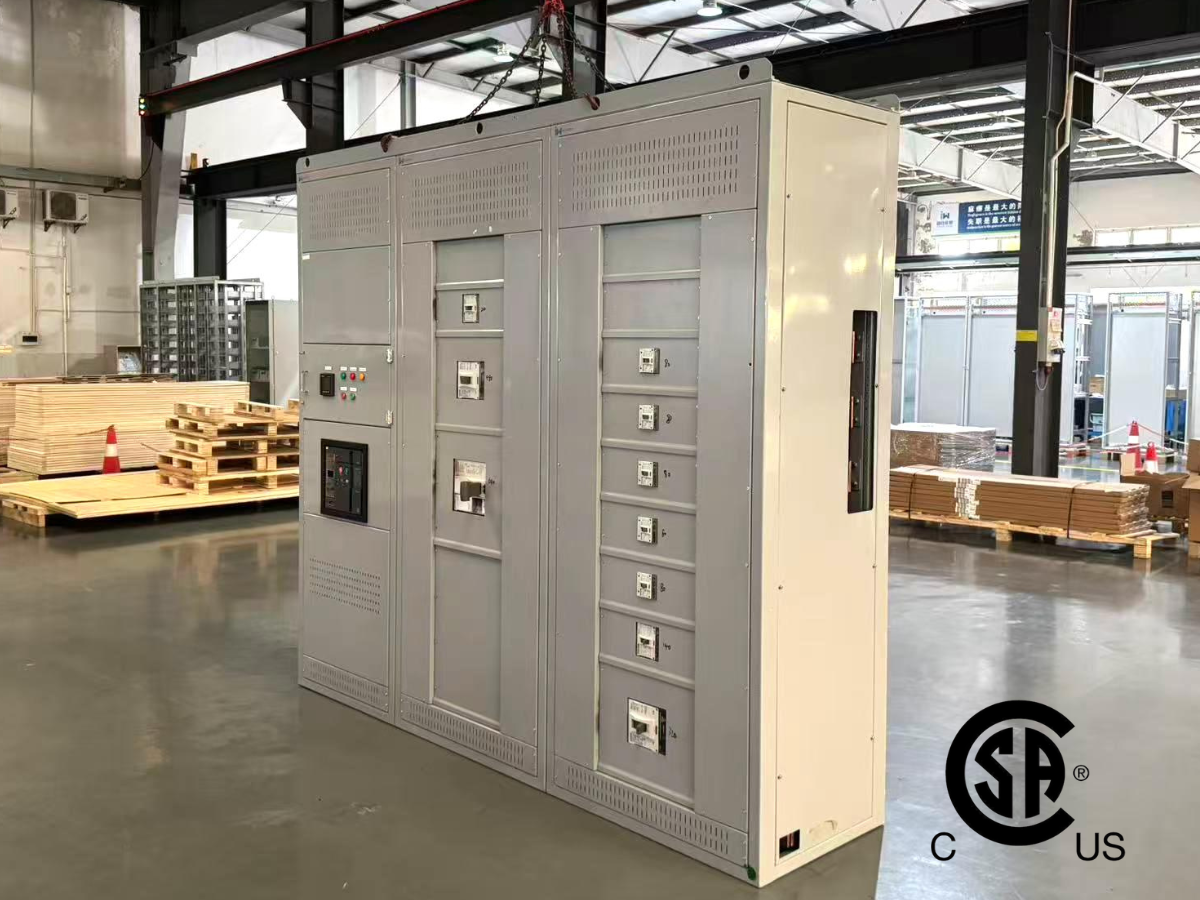
III. Validation Through Testing
UL891 relies on rigorous type testing that simulates worst-case fault conditions.
Short-Circuit Strength Test
Verifies structural integrity under high electromagnetic forces, ensuring no deformation or hazardous enclosure failure.
Temperature Rise Test
Identifies thermal weak points by monitoring temperatures at critical locations during sustained rated current operation.
Internal Arc Fault Test
The most demanding validation, assessing:
• Containment of flames and fragments.
• Integrity of doors and panels.
• Correct operation of pressure relief devices.
• Protection of adjacent compartments.
UL891 standard represents more than compliance. It embodies a culture of anticipating failure and designing for resilience. Choosing UL891-compliant switchboard is a strategic decision for operational continuity and personnel safety, building an essential barrier against electrical fire and system failure.